 by
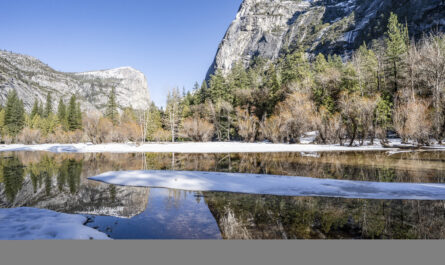
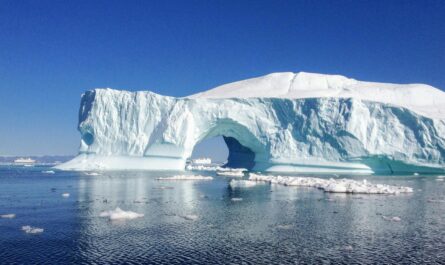
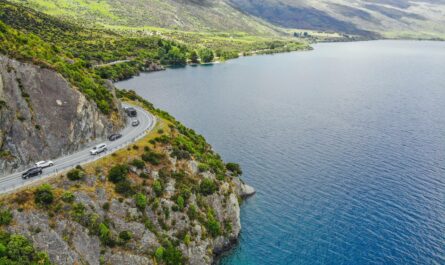
by Few travel experiences are as memorable as exploring a fjord. Surrounded by towering cliffs, cascading waterfalls, snow-capped peaks, and calm waters, fjords offer some of the most spectacular scenery on Earth. Whether you’re cruising through the famous fjords of Norway, hiking in the dramatic landscapes of New Zealand, or exploring remote fjord regions in Chile and Canada, a fjord vacation can be a truly unforgettable adventure.
However, many travelers hesitate to plan a fjord trip because they assume it will be extremely expensive. Although some fjord destinations—particularly Norway—have a reputation for being expensive, the truth is more complex. A fjord trip can range from a relatively affordable nature-focused getaway to a luxurious once-in-a-lifetime experience.
The final cost depends on where you go, how long you stay, the time of year, your accommodation choices, transportation methods, and the activities you include.
This guide breaks down realistic fjord travel budgets and explains what travelers can expect to spend at different price levels.
Why Fjord Trips Are Often Considered Expensive
Fjord destinations are typically located in regions with high living standards, limited infrastructure, and strong tourism demand.
Several factors contribute to higher travel costs:
- Remote locations
- Expensive labor costs
- Seasonal tourism demand
- Limited accommodation supply
- Specialized transportation requirements
- High environmental protection standards
In places like Norway, visitors often notice that food, transportation, and lodging are more expensive than in many other European destinations.
However, careful planning can significantly reduce overall costs.
The Main Expenses of a Fjord Trip
Making a realistic travel budget starts with knowing where your money is going.
Most fjord trips include five major expense categories:
1. Transportation
Transportation often represents one of the largest costs.
This includes:
- International flights
- Domestic flights
- Trains
- Ferries
- Rental cars
- Public transportation
Depending on your destination, transportation may account for 20–40% of your total budget.
2. Accommodation
Accommodation costs vary enormously.
Options range from:
- Budget hostels
- Guesthouses
- Cabins
- Campsites
- Mid-range hotels
- Luxury fjord resorts
Accommodation choices have a major impact on the overall cost of a trip.
3. Food and Drinks
Dining expenses can quickly add up, particularly in high-cost countries.
Travelers should budget for:
- Breakfast
- Lunch
- Dinner
- Snacks
- Coffee
- Alcoholic beverages
Self-catering can dramatically reduce food expenses.
4. Activities
Many fjord activities are optional but highly appealing.
Popular choices include:
- Fjord cruises
- Kayaking
- Hiking tours
- Wildlife safaris
- Glacier excursions
- Scenic rail journeys
- Helicopter flights
Activity costs can range from almost nothing to several hundred dollars per day.
5. Travel Insurance and Miscellaneous Costs
Additional expenses often include:
- Travel insurance
- Mobile data
- Souvenirs
- Parking fees
- Equipment rentals
- Unexpected costs
Including a buffer in your budget is always wise.
Budget Fjord Trip: Approximately $80–$150 Per Day
Many travelers assume fjord destinations are only for luxury tourists, but budget travel is entirely possible.
A budget fjord trip typically involves:
- Hostels or camping
- Public transportation
- Grocery shopping
- Free hiking activities
- Limited paid excursions
Typical Daily Costs
Accommodation: $25–$60
Hostels, campsites, and budget guesthouses provide affordable lodging options.
Food: $20–$40
Buying groceries and preparing meals significantly reduces expenses.
Transportation: $15–$30
Regional buses, trains, and ferries offer economical transportation.
Activities: $0–$20
Many of the best fjord experiences—such as hiking and sightseeing—are completely free.
Estimated Weekly Budget
For a 7-day trip:
- Accommodation: $175–$420
- Food: $140–$280
- Transportation: $105–$210
- Activities: $0–$140
Total (excluding international flights): approximately $420–$1,050
This makes fjord travel accessible even for backpackers and budget-conscious adventurers.
Mid-Range Fjord Trip: Approximately $150–$300 Per Day
Most travelers fall into the mid-range category.
This budget level allows greater comfort while maintaining reasonable costs.
Typical Daily Costs
Accommodation: $80–$180
Comfortable hotels, private guesthouses, and boutique inns become available.
Food: $40–$80
Travelers can enjoy local restaurants while still balancing costs.
Transportation: $20–$50
Rental cars or upgraded train travel improve convenience.
Activities: $30–$100
A mix of guided tours and independent exploration becomes possible.
Estimated Weekly Budget
For 7 days:
- Accommodation: $560–$1,260
- Food: $280–$560
- Transportation: $140–$350
- Activities: $210–$700
Total (excluding international flights): approximately $1,190–$2,870
This budget level offers excellent value and flexibility.
Luxury Fjord Trip: $400–$1,000+ Per Day
Luxury fjord travel focuses on comfort, exclusivity, and premium experiences.
Travelers may choose:
- Waterfront luxury hotels
- Private guided tours
- Fine dining
- Helicopter excursions
- Boutique cruises
- Premium transportation
Typical Daily Costs
Accommodation: $250–$700+
Luxury fjord-view hotels often command premium rates.
Food: $80–$200+
Fine dining and specialty restaurants significantly increase expenses.
Transportation: $50–$200+
Private transfers and premium transportation options add convenience.
Activities: $100–$500+
Exclusive experiences often carry higher price tags.
Estimated Weekly Budget
For a 7-day trip:
- Accommodation: $1,750–$4,900
- Food: $560–$1,400
- Transportation: $350–$1,400
- Activities: $700–$3,500
Total (excluding international flights): approximately $3,360–$11,200+
Luxury travelers can easily exceed these estimates depending on itinerary choices.
Norway: The Most Famous Fjord Destination
When people think of fjords, they usually think of Norway.


6
Popular destinations include:
- Geirangerfjord
- Nærøyfjord
- Bergen
- Sognefjord
Norway is often among the most expensive fjord destinations.
Average daily expenses:
- Budget: $100–$150
- Mid-range: $200–$350
- Luxury: $500+
Despite higher costs, many travelers consider Norway worth the investment because of its exceptional scenery and infrastructure.
New Zealand Fjords: Surprisingly Flexible


6
New Zealand’s fjord region offers more flexibility for travelers.
Popular locations include:
- Milford Sound
- Doubtful Sound
- Fiordland National Park
Budget travelers often spend:
- $80–$120 daily
Mid-range travelers:
- $150–$250 daily
Luxury travelers:
- $400–$800 daily
New Zealand generally offers slightly better value than Norway.
Chilean Fjords: Adventure with Moderate Costs
The fjords of southern Chile attract adventurous travelers seeking remote wilderness.
Highlights include:
- Patagonia
- Torres del Paine National Park
Costs are often lower than in Norway.
Typical daily spending:
- Budget: $50–$100
- Mid-range: $120–$250
- Luxury: $350–$700
Transportation can be challenging, but overall expenses are often more manageable.
Canada’s Fjord Regions
Canada’s fjords combine spectacular scenery with excellent infrastructure.
Popular regions include:
- Saguenay Fjord
- British Columbia coastal fjords
Travel costs are generally moderate.
Average daily budgets:
- Budget: $80–$140
- Mid-range: $180–$300
- Luxury: $450+
Hidden Costs Many Travelers Overlook
Several expenses often surprise travelers.
Fuel Costs
Rental cars can be affordable, but fuel may be expensive in remote regions.
Ferry Fees
Many fjord destinations require ferry crossings.
These can add up quickly during road trips.
Parking Charges
Scenic viewpoints and tourist areas sometimes charge parking fees.
Weather-Related Expenses
Unexpected weather may require:
- Additional lodging
- Rain gear
- Alternative transportation
Building flexibility into your budget helps avoid stress.
How to Save Money on a Fjord Trip
Travelers can significantly reduce costs using a few simple strategies.
Travel During Shoulder Seasons
Spring and autumn often provide:
- Lower accommodation prices
- Smaller crowds
- Beautiful scenery
Book Early
Popular fjord accommodations fill quickly.
Early bookings frequently secure better rates.
Use Public Transportation
Trains and buses often cost less than renting a car.
Cook Some Meals
Preparing breakfast and occasional dinners can dramatically reduce expenses.
Focus on Free Activities
Many fjord highlights require no admission fee.
Examples include:
- Scenic drives
- Hiking trails
- Viewpoints
- Beaches
- Nature photography
Some of the most memorable experiences are completely free.
Is a Fjord Cruise Worth the Cost?
Many travelers wonder whether fjord cruises justify their price.
Cruise costs vary from:
- $30–$100 for short sightseeing trips
- $150–$500 for extended excursions
- Thousands of dollars for luxury voyages
For first-time visitors, a fjord cruise often provides perspectives unavailable from land.
While not essential, many travelers consider it one of the highlights of their trip.
Sample 7-Day Fjord Budgets
Backpacker Budget
- Accommodation: $250
- Food: $175
- Transportation: $150
- Activities: $75
Total: Approximately $650
Comfortable Mid-Range Budget
- Accommodation: $900
- Food: $400
- Transportation: $250
- Activities: $350
Total: Approximately $1,900
Luxury Budget
- Accommodation: $3,500
- Food: $1,000
- Transportation: $700
- Activities: $1,500
Total: Approximately $6,700
Final Thoughts
A fjord trip does not have a single price tag. Costs vary dramatically depending on destination, travel style, and personal preferences. While destinations like Norway can be expensive, budget-conscious travelers can still enjoy world-class fjord experiences without spending a fortune.
For many visitors, fjords represent one of the most rewarding forms of nature travel. The combination of towering cliffs, pristine waters, waterfalls, wildlife, and peaceful landscapes creates memories that last a lifetime. Whether your budget is modest or luxurious, careful planning can help you experience these extraordinary landscapes without unpleasant financial surprises.
Ultimately, a fjord trip is less about how much you spend and more about how deeply you engage with one of nature’s most remarkable creations.