 by
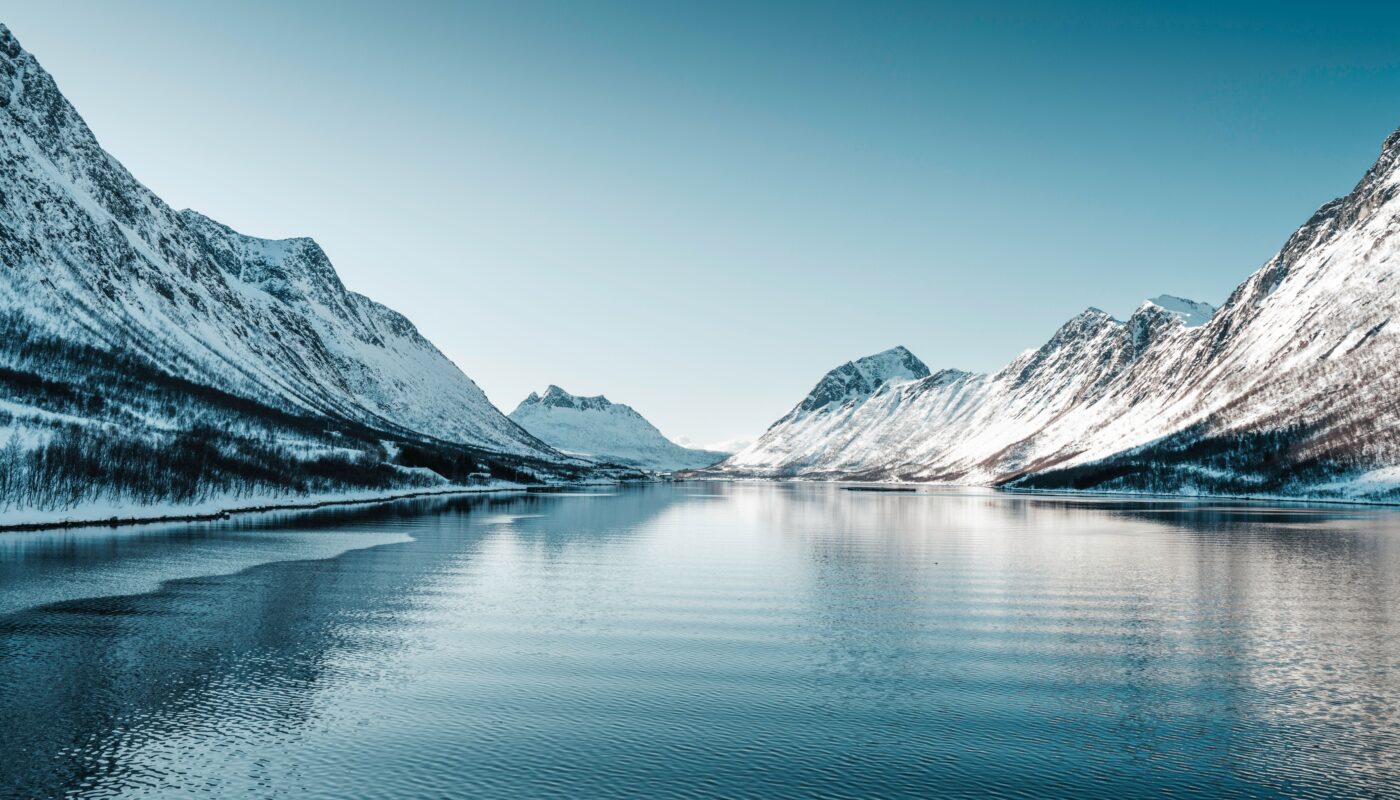
A journey through a Norwegian fjord can be one of the most peaceful and memorable travel experiences imaginable. Imagine slowly moving across calm water while enormous mountains rise on both sides, waterfalls appear between rocky cliffs, and tiny communities sit quietly along the shoreline. For many older travelers, this type of scenery offers the perfect combination of nature, relaxation, and discovery.
However, the idea of visiting fjords can sometimes make senior travelers hesitate. Pictures of steep mountain trails and adventurous excursions may create the impression that a fjord vacation requires excellent fitness. In reality, many of Norway’s most beautiful fjord experiences can be enjoyed without strenuous hiking.
The secret is choosing the right destinations and planning the journey around comfort.
Instead of measuring a vacation by the number of trails completed, senior travelers can focus on scenic cruises, comfortable train journeys, short walks, sightseeing drives, cultural experiences, and peaceful stays in fjord-side towns.
Norway has numerous destinations that suit this approach. From Bergen and Flåm to Geirangerfjord and Hardangerfjord, there are plenty of opportunities to experience dramatic scenery while maintaining a relaxed pace.
What Should Seniors Look for in a Fjord Destination?
The ideal destination for an older traveler is not necessarily the place with the most famous hiking trail. Accessibility, transportation, accommodation, and flexibility can be much more important.
Before choosing a fjord destination, consider how easily you can get around without walking long distances.
A senior-friendly destination may offer:
- Boat trips with comfortable seating
- Scenic railway journeys
- Accessible viewpoints
- Short walking paths
- Convenient hotels
- Restaurants within easy reach
- Organized sightseeing tours
- Reliable public transportation
- Luggage assistance
- Flexible daily activities
It is also useful to choose destinations where you can enjoy the scenery even if you decide to skip an activity.
That flexibility can make a huge difference.
Bergen: A Comfortable Base for Fjord Exploration
For many visitors, Bergen is one of the most practical places to begin a Norwegian fjord vacation.
The city provides access to restaurants, hotels, cultural attractions, transportation services, and organized excursions. This makes it easier for senior travelers to combine nature with the convenience of an established city.
Rather than immediately traveling deep into the countryside after arriving, consider spending a night or two in Bergen.
This gives you time to recover from the journey and explore without pressure.
A relaxed day could involve visiting the waterfront, enjoying a long lunch, exploring a museum, or taking a scenic ride. You can then reserve another day for a fjord excursion.
Another advantage is that Bergen can serve as a base. Instead of repeatedly packing your luggage, you can return to the same hotel after day trips.
For seniors, fewer hotel changes often mean less stress.
Sognefjord: A Great Choice for Slow Travel
Sognefjord is an outstanding choice for travelers who want enormous scenery without an itinerary built around physical challenges.
The fjord extends far into the mountainous interior of western Norway, creating countless opportunities for sightseeing.
One of the simplest ways to appreciate it is from the water.
A boat provides a moving viewpoint without requiring travelers to walk from one attraction to another. You can sit indoors if the weather is cool or move outside when conditions are pleasant.
The scenery itself provides the entertainment.
Mountain slopes rise from the water, waterfalls appear along the cliffs, and small settlements reveal how people have adapted to life in isolated valleys.
Instead of attempting to explore every corner of Sognefjord, select a manageable section and enjoy it slowly.
A two- or three-night stay can be much more enjoyable than trying to cover a huge area in a single day.
Flåm: Where Rail and Fjord Travel Meet
Flåm is particularly attractive to senior travelers because it combines several scenic experiences without requiring difficult outdoor adventures.
The village sits in a dramatic mountain environment beside the Aurlandsfjord.
The Flåm Railroad is among its most well-known attractions.
The train journey allows passengers to experience steep mountain landscapes, waterfalls, valleys, and changing scenery while remaining comfortably seated.
For older travelers who prefer sightseeing to hiking, this is an excellent way to experience Norway’s mountainous interior.
A boat trip can be added to the experience.
The combination of railway and fjord travel creates variety without making the itinerary physically demanding.
Spend one day on the train and another on the water rather than trying to complete both experiences within a few hours.
Nærøyfjord: Enjoy the Landscape From the Water
Nærøyfjord is known for its dramatic scale.
The waterway passes between steep mountains, creating a landscape that feels almost enclosed.
For senior travelers, this destination demonstrates the value of choosing experiences that bring nature to you.
You can travel right through the countryside by boat.
There is no need to climb a mountain to understand how impressive the landscape is. From the deck, passengers can look upward toward cliffs and waterfalls while the boat moves through the fjord.
Before booking, check the vessel’s boarding arrangements if you have mobility concerns.
A tour that sounds easy may still involve stairs or a steep gangway, so specific information is always better than assumptions.
Geirangerfjord: One of Norway’s Most Iconic Landscapes
Geirangerfjord is often the image people picture when they think of Norwegian fjords.
Tall mountains surround the narrow waterway, while waterfalls descend dramatically toward the fjord.
A cruise is one of the most comfortable ways to experience the area.
From the boat, you can appreciate the waterfalls and mountain scenery without navigating difficult terrain.
There are also road-based viewpoints around the region.
These can be useful for seniors who want spectacular photographs but would rather avoid long hikes.
However, mountainous roads can be winding. If you are sensitive to motion, allow time for breaks and consider choosing transportation that feels comfortable for you.
Hardangerfjord: A Peaceful Alternative
Hardangerfjord offers a slightly different experience.
Rather than focusing entirely on dramatic cliffs, the region combines fjord scenery with orchards, villages, waterfalls, and agricultural landscapes.
This makes it particularly appealing to people who enjoy peaceful sightseeing.
During the warmer months, the surrounding fruit-growing areas can add another dimension to the landscape.
A comfortable day in Hardangerfjord could involve a scenic drive, a leisurely lunch, a short village walk, and an afternoon overlooking the water.
There is plenty to see without creating a demanding schedule.
Aurlandsfjord: Beautiful Views at a Gentle Pace
Aurlandsfjord is another excellent option for travelers who want to experience classic fjord scenery without spending their entire holiday hiking.
The fjord is surrounded by high mountains and tranquil water.
Visitors can explore the area by boat or road and stop at selected viewpoints.
What makes Aurlandsfjord particularly suitable for seniors is its compatibility with slow travel.
You can choose one scenic excursion for the day and spend the remaining time enjoying your accommodation.
A fjord-view hotel, a good meal, and an afternoon watching the changing light over the mountains can be an experience in itself.
Lysefjord: You Don’t Have to Hike Pulpit Rock
Lysefjord is famous partly because of Pulpit Rock, one of Norway’s best-known viewpoints.
The hiking route to the top is not suitable for everyone. It includes rocky and uneven terrain and can require considerable physical effort.
But this does not mean senior travelers have to skip Lysefjord.
A boat excursion offers another way to see the destination.
Traveling beneath the cliffs provides a completely different perspective and can be considerably less demanding.
This is an important lesson for senior travelers: you can visit a famous destination without doing its most difficult activity.
Choose the version of the experience that matches your comfort level.
Trollfjord and Northern Norway
For travelers who want to explore beyond western Norway, the fjords of the north offer a more remote atmosphere.
Trollfjord is particularly striking, with steep mountains surrounding a narrow waterway.
Boat trips are a convenient way to experience the landscape.
Northern Norway also provides an opportunity to combine fjord sightseeing with coastal scenery and local communities.
The seasons are dramatically different here.
During summer, daylight can last for exceptionally long periods, making sightseeing easier.
Winter brings snow and the possibility of northern lights, but conditions can be more challenging.
For senior travelers, summer may be the simpler option because outdoor movement is generally easier.
Why Fjord Cruises Are Convenient for Seniors
A cruise can remove many of the logistical challenges associated with independent travel.
You do not have to repeatedly move luggage between hotels, and your accommodation travels with you.
Many large ships also provide elevators, restaurants, lounges, accessible cabins, and organized shore excursions.
This can make cruising attractive to seniors who value convenience.
However, not every excursion is equally accessible.
A ship may be easy to navigate while a shore excursion could involve substantial walking.
Always read excursion descriptions carefully and ask the cruise company about mobility requirements.
Small-Boat Excursions: A More Intimate Experience
Small vessels can offer a more personal way to experience a fjord.
They may travel into narrower areas and provide closer views of the surrounding landscape.
However, smaller boats generally have fewer facilities than large cruise ships.
If you need an accessible toilet, elevator, or specialized boarding equipment, confirm what is available before booking.
The best tour is the one that combines the scenery you want with the level of comfort you require.
Scenic Rail Travel for Older Visitors
Norway’s railway network provides another excellent option for travelers who prefer to observe landscapes without extensive walking.
Train journeys allow passengers to relax while passing through valleys, forests, rivers, and mountain scenery.
The Flåm Railway is the best-known example in the fjord region, but other routes can also become part of a scenic Norwegian itinerary.
When planning a train journey, consider more than the scenery.
Check station access, luggage requirements, boarding arrangements, and the availability of seating.
The trip might be considerably more comfortable with a little preparation.
Selecting the Right Accommodation
Hotel choice is one of the most overlooked aspects of senior travel.
A property may have stunning views but still be inconvenient if it is located far from transportation or requires climbing several flights of stairs.
When selecting accommodation, look for:
- Elevator access
- Step-free entrances
- Walk-in showers
- Comfortable seating
- Easy access to restaurants
- Nearby transportation
- Luggage assistance
- Quiet sleeping areas
- Reliable heating
If accessibility is important, contact the hotel directly and ask specific questions.
Do not rely solely on a website’s use of the word “accessible.”
Build a Flexible Itinerary
A flexible schedule is one of the greatest advantages a senior traveler can give themselves.
Avoid arranging several major activities on the same day.
Instead, leave gaps between excursions.
For example, after a long boat journey, you might spend the following morning relaxing at your hotel.
This also gives you flexibility when the weather changes.
Fjord weather can be unpredictable, and a rigid itinerary may become stressful when transportation is delayed or an outdoor activity is canceled.
A flexible plan allows you to change your schedule without feeling that the entire vacation has been disrupted.
How Much Walking Is Enough?
There is no single walking requirement for a fjord vacation.
Some travelers may happily walk several kilometers, while others may prefer short, flat routes.
The important thing is to understand the type of walking involved.
A paved waterfront path is very different from a steep mountain trail.
Before choosing an excursion, check:
- Total distance
- Elevation gain
- Number of stairs
- Surface conditions
- Availability of rest areas
- Toilet access
- Weather exposure
If the information is unclear, contact the tour operator.
Pack for Changing Conditions
Fjord weather can shift quickly, even during the warmer months.
A waterproof outer layer is useful, while several lightweight layers allow you to adjust to changing temperatures.
Comfortable footwear is essential.
Other useful items include:
- Lightweight rain jacket
- Warm sweater
- Comfortable walking shoes
- Hat
- Sunglasses
- Sunscreen
- Small backpack
- Water bottle
- Personal medication
- Important travel documents
A small backpack is usually easier to manage than a large bag during day excursions.
Safety Around Fjords
Fjords may look calm, but they are mountainous environments.
Paths can become slippery after rain. Rocks may be unstable, and weather conditions can change quickly.
Stay on marked routes and obey barriers and warning signs.
Avoid getting too close to cliff edges for photographs.
If taking a boat trip, follow crew instructions and wear any required safety equipment.
For senior travelers, the goal should be to enjoy the scenery without taking unnecessary risks.
The Best Season for a Senior Fjord Vacation
For many older visitors, summer is the easiest period for a fjord trip.
Long daylight hours allow plenty of time for sightseeing, and many transportation services operate frequently.
Late spring can provide beautiful waterfalls and fresh green landscapes.
Early autumn can be quieter and offers changing seasonal colors.
Winter is visually spectacular but can be more demanding because of snow, ice, cold temperatures, and reduced daylight.
Travelers who prioritize comfort and accessibility will often find the warmer months easier to manage.
A Relaxed Seven-Day Fjord Plan
A senior-friendly itinerary could be organized as follows:
Day 1 – Bergen: Arrive and rest.
Day 2 – Bergen: Explore the city at a comfortable pace.
Day 3 – Bergen to Flåm: Take a scenic journey and check into your accommodation.
Day 4 – Flåm Railway: Enjoy the train experience and have a relaxed afternoon.
Day 5 – Nærøyfjord: Take a scenic boat trip.
Day 6 – Free Day: Explore locally, enjoy a meal, or simply relax beside the fjord.
Day 7 – Return Journey: Travel back without scheduling unnecessary activities.
The strength of this itinerary is that it leaves breathing room.
You are not constantly checking the clock or moving between hotels.
Practical Tips for a Better Experience
A few small decisions can make a major difference.
Travel with fewer bags.
Light luggage is easier to manage during transfers.
Stay multiple nights in one place.
This reduces fatigue and gives you time to settle in.
Reserve important transportation early.
Popular scenic routes can become busy during peak periods.
Keep emergency information accessible.
Have important contacts and travel details available.
Allow extra transfer time.
Rushing between trains, buses, and boats is unnecessary stress.
Don’t feel pressured to participate in every activity.
Resting is part of the vacation.
Choose experiences based on your abilities.
A comfortable boat ride can be just as memorable as a mountain hike.
Final Thoughts
The beauty of a fjord vacation is that there is no single correct way to experience it.
Senior travelers do not need to climb famous peaks, complete long hiking routes, or follow an exhausting sightseeing schedule.
The Norwegian fjords can be enjoyed from the deck of a boat, the window of a scenic train, a comfortable hotel terrace, a quiet village street, or a roadside viewpoint.
Bergen provides an excellent starting point, while Sognefjord offers expansive scenery. Flåm combines railway and fjord experiences, Nærøyfjord provides spectacular views from the water, and Geirangerfjord delivers some of Norway’s most recognizable landscapes. Hardangerfjord and Aurlandsfjord are ideal for travelers who prefer a slower rhythm, while Lysefjord can be enjoyed without undertaking the demanding Pulpit Rock hike.
The most important part of planning is knowing your own comfort level.
Give yourself enough time to rest. Choose accommodation carefully. Research accessibility before booking. Keep travel days manageable, and leave space for weather changes.
Most importantly, do not rush.
A fjord is a landscape designed to be admired slowly. Watching mist drift between mountains, listening to water move against a boat, seeing a waterfall appear around a bend, or enjoying a quiet meal beside the water can become the most memorable part of the journey.
For senior travelers, a slower approach is not a compromise. It can be the best way to experience the fjords.