by
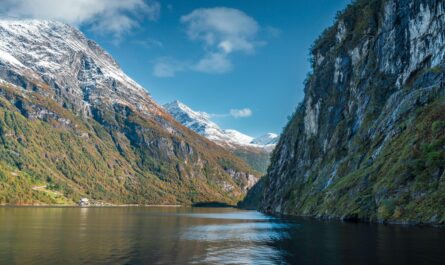
Norway’s fjord region offers some of the most remarkable landscapes in Europe. Towering mountains rise above deep blue water, waterfalls descend from rocky cliffs, and small villages sit quietly along the shoreline. Exploring this region is an unforgettable experience, but choosing how to travel can make a significant difference to your journey.
Some visitors prefer driving through mountain passes and stopping at peaceful viewpoints. Others enjoy the comfort of a train journey, watching the scenery change through large windows. Boat trips provide a completely different perspective, allowing travelers to experience the fjords from the water.
So, which option is best: driving, trains, or boats? The answer depends on your budget, available time, travel style, and the places you want to visit. This guide compares all three options to help you plan a memorable Norwegian fjord adventure.
1. Exploring the Fjords by Car
Driving is an excellent choice for travelers who value independence and want to explore beyond the main tourist routes. Norway has an extensive road network connecting fjord villages, mountain landscapes, waterfalls, and scenic coastal areas.
Unlike a fixed train or boat itinerary, a road trip allows you to decide where to stop and how long to stay. You can spend extra time at a viewpoint, visit a small village, or take a detour when an unexpected landscape catches your attention.
Benefits of Driving
Freedom to create your own itinerary
A rental car makes it easier to design a personalized journey. You can travel at your preferred pace instead of planning your day around public transport schedules. This flexibility is particularly useful for photographers and travelers who enjoy discovering quieter places.
Access to remote destinations
Some attractive viewpoints, rural accommodation options, and smaller communities are difficult to reach directly by train. Although some mountain roads may be narrow, seasonal, or difficult in bad weather, a car can make these places more accessible.
Convenience for families and groups
Traveling by car can be practical when several people are sharing the cost. Families can carry luggage, snacks, outdoor clothing, and other essentials without repeatedly moving between transport services.
Opportunities for scenic stops
A road journey is not simply about reaching the destination. It can become part of the experience itself. Mountain roads, lakeside viewpoints, waterfalls, and small settlements may offer memorable stops along the way.
Disadvantages of Driving
Driving in Norway can be expensive. Visitors need to consider rental charges, fuel, parking, toll roads, and occasional ferry crossings. Automatic transmission vehicles may also cost more to rent, particularly during busy travel periods.
Road conditions require attention as well. Some routes include steep gradients, sharp bends, narrow sections, and tunnels. Weather can change quickly in mountainous areas, while certain scenic roads may close temporarily because of snow or other conditions.
Parking near popular attractions can be limited during summer. Drivers should also avoid planning overly ambitious itineraries, because short distances on a map may take longer to cover than expected.
Who Should Choose a Road Trip?
Driving is particularly suitable for independent travelers, families, small groups, and visitors who want to explore several destinations in one trip. It is also a strong option for anyone who enjoys photography, rural accommodation, and flexible schedules.
Before setting off, check road conditions, seasonal closures, ferry timetables, and local driving requirements. Booking accommodation in advance is sensible during the busiest travel months.
2. Discovering the Fjords by Train
Train travel offers a relaxing alternative for visitors who would rather enjoy the scenery than concentrate on driving. Norway’s railways pass through mountains, valleys, forests, and communities, creating a memorable journey even before you reach the fjord region.
One particularly well-known experience is the Flåm Railway, which connects Myrdal with the village of Flåm. The route travels through dramatic mountain scenery and offers views of steep slopes, waterfalls, and the surrounding valley.
Trains can also form part of a wider journey between major Norwegian cities and regional transport hubs. Travelers can combine rail services with buses, ferries, or boat excursions to reach their preferred destinations.
Benefits of Train Travel
A comfortable sightseeing experience
Passengers can sit back, relax, and enjoy the landscape without worrying about traffic or navigation. This makes trains appealing to solo travelers, older visitors, and people who prefer a slower, less demanding travel experience.
No need to drive
Visitors unfamiliar with Norwegian roads can avoid the pressure of mountain driving, parking, and navigating unfamiliar routes. Train travel can be especially appealing after a long international flight or during a busy sightseeing itinerary.
A more predictable journey
Rail services follow established timetables, helping travelers organize connections and accommodation. However, delays and seasonal service changes can occur, so sufficient transfer time is important.
A lower-impact option in many cases
Rail travel can produce fewer emissions per passenger than a private petrol or diesel car, particularly when trains are well occupied. The exact environmental impact depends on the train, energy source, passenger numbers, and alternative transport being compared.
Disadvantages of Train Travel
The main limitation is flexibility. Trains follow designated routes and stop at scheduled stations. You cannot simply pause the journey whenever you discover an interesting viewpoint.
Many fjordside villages and remote attractions are not served directly by rail. Reaching them may require additional buses, taxis, or ferries, which can increase the total cost and journey time.
Luggage can also become inconvenient when an itinerary involves several connections. Travelers should check the accessibility of stations and vehicles if they need step-free access or assistance with mobility.
Who Should Choose Train Travel?
Trains are an excellent choice for first-time visitors, solo travelers, couples, and people who want to enjoy spectacular scenery without driving. They are especially attractive to those planning a route that connects well-served towns and established sightseeing destinations.
For a more complete experience, consider combining a scenic railway journey with an overnight stay and a boat excursion.
3. Experiencing the Fjords by Boat
Boats provide one of the most distinctive ways to appreciate Norway’s fjords. From the water, the landscape appears on a grand scale: steep cliffs rise above the shoreline, waterfalls flow down mountainsides, and small settlements seem tucked between the water and the surrounding peaks.
Boat travel ranges from larger sightseeing vessels to smaller passenger boats and seasonal excursions. Some services connect communities, while others focus primarily on sightseeing.
A cruise through Nærøyfjord, for example, allows visitors to observe the narrow waterway and surrounding mountains from a perspective that roads cannot fully reproduce.
Benefits of Boat Travel
A unique view of the landscape
The fjords were shaped by glaciers over long periods, creating deep waterways bordered by steep mountain walls. Traveling on the water helps visitors appreciate their scale and geological character.
Excellent opportunities for photography
Boats can provide impressive views of cliffs, waterfalls, shoreline villages, and reflections on the water. Travelers should bring weather-appropriate clothing and protect cameras from rain and spray.
A relaxing sightseeing experience
Instead of concentrating on directions or walking between viewpoints, passengers can enjoy the journey while the scenery unfolds around them. Some services offer indoor seating, outdoor viewing areas, and onboard facilities.
Access to selected fjord destinations
Passenger boats and ferries connect certain villages and communities that may otherwise require a longer road journey. Depending on the route, a boat trip can serve as both transportation and a sightseeing activity.
Disadvantages of Boat Travel
Boat schedules can be seasonal, and services vary considerably between routes. Some excursions operate only during particular months, while other passenger services follow timetables that may not suit every itinerary.
Weather can affect comfort and, occasionally, operations. Wind, rain, and cooler temperatures can make outdoor viewing less enjoyable, even during summer.
A boat trip also provides limited control over where and when you stop. Although the views may be spectacular, passengers generally cannot leave the vessel to explore a village or walking trail unless the service includes a scheduled stop.
Prices vary by operator, route, and type of vessel. Popular sightseeing trips can be expensive during peak season, so comparing options and reserving ahead may be worthwhile.
Who Should Choose Boat Travel?
Boat trips are ideal for photographers, couples, families, and visitors who want to experience the fjords from the water. They are particularly suitable for travelers with limited time who want to enjoy dramatic scenery without organizing a complicated road trip.
If you are interested in local communities, look for services with convenient stops rather than choosing a sightseeing-only excursion.
4. Driving vs. Trains vs. Boats: A Practical Comparison
Each form of transport offers a different experience. The most suitable choice depends on what matters most to you.
| Travel factor | Driving | Trains | Boats |
|---|---|---|---|
| Flexibility | High | Limited to scheduled routes | Limited to scheduled routes |
| Scenic experience | Mountains, valleys, roadsides | Railways, valleys, mountain views | Cliffs, waterfalls, and shoreline |
| Access to remote places | Often good, depending on roads | Limited without connections | Depends on the route |
| Driving responsibility | Required | Not required | Not required |
| Main costs | Rental, fuel, tolls, parking | Tickets and onward transport | Tickets or excursion fares |
| Best for | Independent exploration | Relaxed overland journeys | Water-based sightseeing |
| Main limitation | Driving costs and road conditions | Fixed routes and connections | Fixed routes and weather exposure |
This comparison is a starting point rather than a universal rule. Total costs and convenience depend on your itinerary, the season, the number of travelers, and the services available on your chosen dates.
5. Which Option Is Best for Different Travelers?
For First-Time Visitors
First-time visitors may find a combination of trains and boats easier than driving throughout the region. Established transport routes can reduce the need to navigate unfamiliar roads, while a fjord cruise offers a memorable introduction to the landscape.
A rental car remains a good option for those who prefer independence and are comfortable with mountain roads.
For Families with Children
Families should consider luggage, travel duration, comfort, and the number of connections required. A car can simplify travel between accommodation and attractions, particularly when visiting several places in one day.
However, trains and boats can make the journey more enjoyable for children who like watching landscapes and waterways. The best choice depends on the ages of the children and the destinations involved.
For Budget Travelers
Budget-conscious visitors should compare the entire cost of each itinerary rather than the price of a single ticket.
A train ticket may appear inexpensive, but additional buses, accommodation, and excursions can increase the overall expense. A rental car may be costly for one person but more competitive when shared by several travelers.
Public transport and shared accommodation can help control spending. Traveling outside the busiest summer period may also provide more accommodation choices, although weather and service availability need careful consideration.
For Photographers
Photographers may benefit most from driving because it offers greater control over stops and timing. Early mornings and evenings can provide beautiful light, while quieter viewpoints may offer opportunities to capture landscapes without large crowds.
Boat trips are also valuable because they reveal the fjords from unusual angles. Trains provide a comfortable way to photograph changing scenery, although window reflections and movement can affect image quality.
For Older Travelers or Visitors with Limited Mobility
Comfort and accessibility should take priority when selecting transport. Trains can reduce the physical demands of driving, while some sightseeing boats offer indoor seating and accessible facilities.
Nevertheless, accessibility differs between individual vehicles, stations, docks, and excursions. Confirm boarding arrangements, step-free access, seating, toilets, and assistance availability directly with the operator before booking.
6. Can You Combine All Three Transport Options?
Absolutely. Combining a car, train, and boat can create a varied and efficient fjord itinerary without forcing you to choose only one way of traveling.
For example, you could begin with a train journey through mountain scenery, continue to a fjordside village, and take a boat excursion through a narrow waterway. Afterward, you could rent a car for a few days to explore surrounding valleys and scenic roads.
Another approach is to use public transport for the main journey and rent a car only when you need additional flexibility. This can reduce the expense of keeping a vehicle throughout the entire trip.
A useful planning principle is to choose transport according to the experience you want. Use trains for scenic overland journeys, boats for dramatic water-level views, and cars for independent exploration.
Before booking, check whether your chosen train, boat, bus, and ferry services connect conveniently. Some routes operate less frequently outside the main tourist season, so an itinerary that looks simple on a map may require an overnight stay.
7. The Best Time to Travel Through the Fjords
The season can influence both your transport choices and the scenery you experience.
Summer generally offers long daylight hours and many opportunities for sightseeing. It is a popular period for road trips, railway excursions, and fjord cruises. The trade-off is that accommodation, parking, and popular attractions can be busy.
Spring brings changing landscapes, flowing waterfalls, and the gradual return of milder conditions. However, some high mountain roads and seasonal services may not yet be available.
Autumn can bring colorful forests, quieter viewpoints, and dramatic skies. Travelers should prepare for shorter days and changing weather, especially when planning outdoor activities.
Winter creates a different atmosphere, with snow-covered mountains and fewer daylight hours. Some roads, boat services, and tourist attractions operate on reduced schedules or close temporarily. Winter journeys require additional attention to weather forecasts, transport timetables, and local safety guidance.
There is no single best season for everyone. Select your dates according to the scenery you want, the activities you plan to enjoy, and the amount of flexibility you need.
8. Practical Tips for Planning Your Norwegian Fjord Journey
A successful fjord trip begins with realistic planning. The following suggestions can help you avoid unnecessary expenses and stressful connections.
- Choose your main destinations first. Identify the villages, viewpoints, railway journeys, and fjord cruises you most want to experience.
- Avoid covering too much ground. Staying longer in fewer places often creates a more enjoyable trip than changing accommodation every night.
- Compare total transport costs. Include fuel, road tolls, parking, public transport connections, luggage considerations, and sightseeing fares.
- Check seasonal schedules. Confirm road conditions and the operating dates of trains, buses, ferries, and boat excursions.
- Allow extra time for connections. Do not schedule a tight train-to-boat transfer if a delay would disrupt your entire day.
- Prepare for changing weather. Carry layers, waterproof clothing, and suitable footwear even when the forecast appears favorable.
- Book popular experiences early. During busy periods, advance reservations may provide more choice and help you organize your itinerary.
- Travel responsibly. Follow local guidance, respect private property, avoid leaving litter, and use designated parking and walking areas.
It is also worth checking official transport operators before departure, because timetables, prices, and seasonal services can change.
Conclusion: What Is the Best Way to Explore the Norwegian Fjords?
There is no single transport option that suits every visitor. Driving offers independence, trains provide a relaxed way to enjoy mountain scenery, and boats reveal the dramatic character of the fjords from the water.
If you value freedom and want to discover smaller communities, driving may be your strongest choice. If you prefer a comfortable journey without the responsibility of navigating unfamiliar roads, trains are an appealing alternative. If your priority is seeing steep cliffs, waterfalls, and deep waterways from a memorable perspective, a boat excursion deserves a place in your itinerary.
For many travelers, the most rewarding solution is to combine all three. A train journey, a scenic boat trip, and a carefully planned road excursion can each reveal a different side of Norway.
Ultimately, the best fjord adventure is not necessarily the one that covers the greatest distance. It is the one that gives you enough time to enjoy the scenery, discover local places, and experience the remarkable landscape at a comfortable pace.