 by
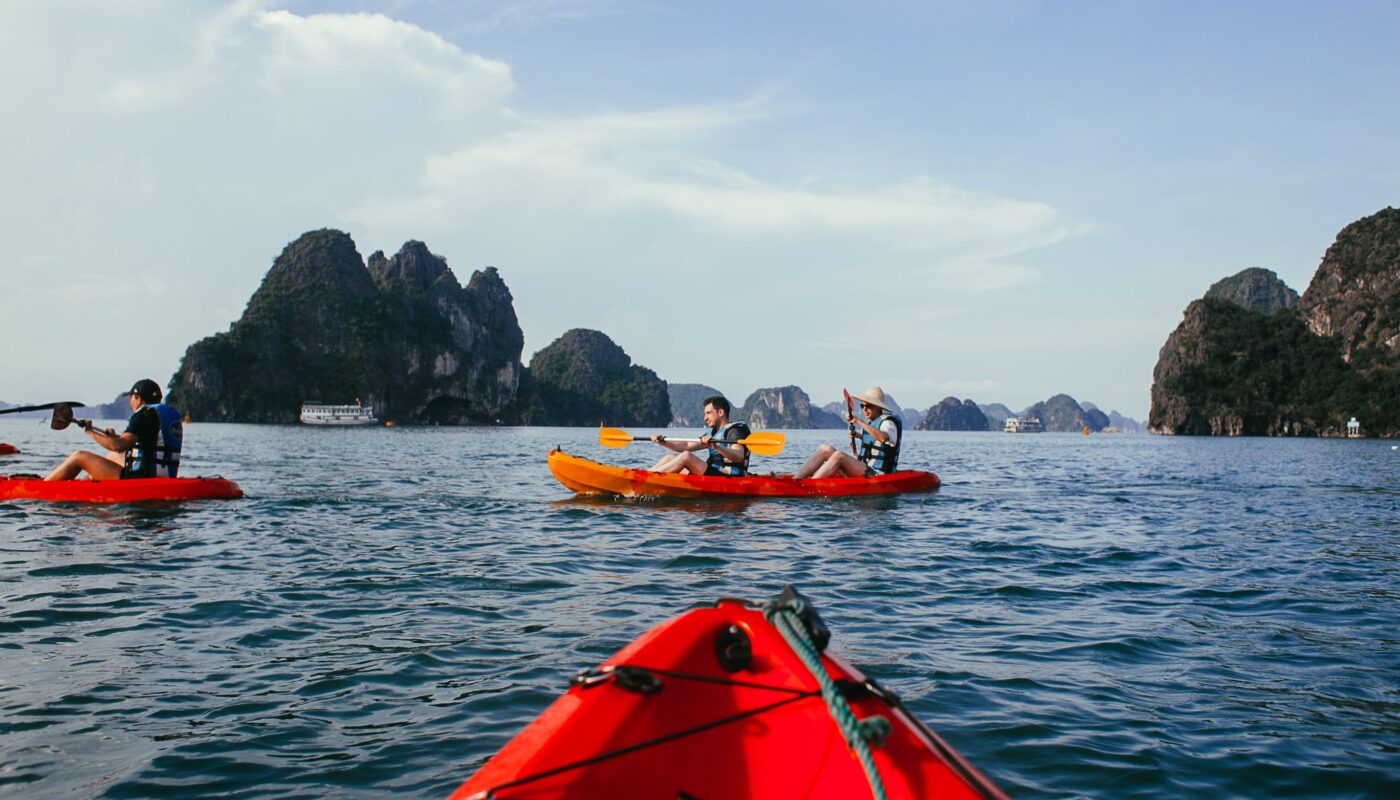
by Few outdoor adventures offer the same combination of tranquility, excitement, and breathtaking scenery as fjord kayaking. Gliding across mirror-like waters beneath towering cliffs, passing cascading waterfalls, and exploring remote corners of some of the world’s most dramatic landscapes can be an unforgettable experience. Whether in the famous fjords of Norway, the spectacular waterways of New Zealand, or the glacier-carved inlets of Alaska, kayaking allows travelers to experience these natural wonders from a unique perspective.
However, many first-time adventurers wonder whether fjord kayaking is physically demanding. Do you need exceptional fitness? Is previous kayaking experience required? Can beginners participate safely? How tiring is paddling for several hours?
The answer depends on several factors, including the length of the trip, weather conditions, paddling technique, personal fitness level, and the specific fjord environment. While fjord kayaking certainly requires some physical effort, it is often much more accessible than many people expect.
This article explores the physical demands of fjord kayaking, what influences difficulty levels, how beginners can prepare, and what travelers can realistically expect before embarking on this remarkable adventure.
Understanding Fjord Kayaking
Fjord kayaking involves paddling a kayak through narrow, glacier-carved sea inlets surrounded by steep mountains and dramatic coastal scenery.
Unlike whitewater kayaking, which focuses on navigating rapids, fjord kayaking is generally performed on relatively calm waters.
Typical fjord kayaking experiences include:
- Guided day tours
- Half-day excursions
- Multi-day expeditions
- Wildlife observation trips
- Photography-focused outings
- Glacier and waterfall exploration
Because fjords are often protected from large ocean waves, conditions can be gentler than many people imagine.
However, calm water does not necessarily mean effortless paddling.
What Muscles Does Kayaking Use?
Many beginners assume kayaking is primarily an arm workout.
In reality, effective paddling uses the entire body.
Upper Body
The shoulders, back, chest, and arms contribute to each paddle stroke.
Key muscles include:
- Deltoids
- Latissimus dorsi
- Biceps
- Triceps
Core Muscles
The abdominal and lower back muscles play a major role.
A strong core:
- Improves paddling efficiency
- Enhances balance
- Reduces fatigue
Legs
Surprisingly, the legs also contribute.
Paddlers often press against foot braces to generate rotational power through the torso.
Good technique distributes effort throughout the body rather than relying solely on arm strength.
Is Fjord Kayaking Suitable for Beginners?
The good news is that many fjord kayaking tours are specifically designed for beginners.
Experienced guides typically provide:
- Safety briefings
- Basic paddling instruction
- Equipment orientation
- On-water coaching
Most first-time participants can successfully complete beginner-level tours.
In fact, many people discover that kayaking is less physically demanding than they initially feared.
The sheltered nature of many fjords often makes them ideal environments for learning.
Factors That Determine Physical Difficulty
The physical demands of fjord kayaking vary considerably depending on several important factors.
Trip Length
One of the biggest determinants of difficulty is duration.
Short Tours (1–3 Hours)
These tours are usually suitable for most healthy adults.
Paddling distances are relatively modest.
Frequent breaks are common.
Half-Day Tours (3–5 Hours)
Moderate fitness becomes more important.
Participants spend more time continuously paddling.
Full-Day Tours
These require greater endurance.
Energy management becomes essential.
Multi-Day Expeditions
Longer adventures demand:
- Stamina
- Recovery ability
- Consistent paddling effort
Multi-day trips can be physically challenging even for experienced kayakers.
Weather Conditions Matter
Weather significantly influences how demanding a kayaking trip feels.
Calm Conditions
On calm days:
- Water remains smooth
- Resistance is reduced
- Paddling feels easier
Many fjord tours take place under such conditions.
Wind
Wind can dramatically increase difficulty.
Headwinds require greater effort and endurance.
Even moderate winds may increase energy expenditure significantly.
Rain
Rain itself does not greatly increase physical demands, but cooler temperatures can contribute to fatigue if paddlers are not dressed appropriately.
Cold Conditions
Many fjords are located in cool climates.
Maintaining body warmth requires additional energy.
Proper clothing helps reduce this burden.
How Fit Do You Need to Be?
A common misconception is that fjord kayaking requires athletic-level fitness.
In reality, most beginner tours are accessible to individuals with average fitness.
You do not need to be:
- A marathon runner
- A competitive athlete
- An experienced paddler
However, certain abilities are beneficial.
You should generally be able to:
- Walk comfortably for several kilometers
- Participate in light physical activity
- Sit comfortably for extended periods
- Perform moderate upper-body movement
If you can comfortably enjoy activities such as hiking, cycling, or swimming recreationally, you will likely manage beginner fjord kayaking tours successfully.
The Importance of Paddling Technique
Technique often matters more than raw strength.
A beginner using proper technique may expend less energy than a stronger individual paddling inefficiently.
Good technique includes:
Torso Rotation
Power should come from rotating the torso rather than pulling only with the arms.
Smooth Strokes
Consistent strokes reduce wasted energy.
Relaxed Grip
Holding the paddle too tightly increases fatigue.
Proper Posture
Good posture improves both comfort and efficiency.
Guides usually teach these fundamentals before the trip begins.
Mental Demands of Fjord Kayaking
Physical effort is only part of the experience.
Fjord kayaking also requires mental focus.
Participants must pay attention to:
- Paddle rhythm
- Group positioning
- Weather conditions
- Navigation instructions
- Water traffic
Fortunately, the peaceful surroundings often make the experience feel relaxing despite the physical activity.
Many paddlers describe entering a meditative state while gliding through quiet fjord landscapes.
How Fjord Conditions Compare to Ocean Kayaking
Many travelers wonder whether fjord kayaking is easier than ocean kayaking.
In most cases, it is.
Fjord Advantages
Fjords often provide:
- Sheltered waters
- Reduced wave action
- Predictable conditions
- Limited strong currents
Ocean Challenges
Open-ocean kayaking may involve:
- Large waves
- Strong winds
- Powerful currents
- Constant motion
As a result, fjord kayaking is frequently recommended for beginners.
Common Sources of Fatigue
Even on relatively easy tours, participants may experience fatigue from several sources.
Repetitive Motion
Continuous paddling engages muscles repeatedly.
Sitting Position
Remaining seated for hours can create stiffness.
Exposure to Elements
Wind, sun, and cold temperatures increase energy expenditure.
Excitement
Many first-time kayakers paddle harder than necessary due to enthusiasm.
Learning to maintain a steady pace improves endurance considerably.
What About Older Travelers?
Age alone does not prevent participation.
Many fjord kayaking tours welcome older adults.
Successful participation depends more on:
- General health
- Mobility
- Endurance
- Comfort in outdoor environments
It is not uncommon to see participants in their sixties, seventies, and beyond enjoying guided kayaking adventures.
Tour operators can often recommend routes suited to varying fitness levels.
Fjord Kayaking and Wildlife Encounters
One reason many travelers choose kayaking is the opportunity to experience wildlife from a closer perspective.
Depending on location, paddlers may encounter:
- Seals
- Dolphins
- Porpoises
- Seabirds
- Penguins
- Whales


4
Wildlife encounters often provide natural rest periods as groups pause to observe animals.
These moments help break up paddling effort throughout the day.
How to Prepare Physically
Although extensive training is usually unnecessary, some preparation can improve comfort and enjoyment.
Walking
Regular walking improves cardiovascular endurance.
Core Exercises
Strengthening the core enhances paddling efficiency.
Examples include:
- Planks
- Bird-dogs
- Dead bugs
Shoulder Mobility
Simple stretching improves range of motion.
Light Cardio
Cycling, swimming, or brisk walking help build stamina.
Even a few weeks of preparation can make a noticeable difference.
What to Wear for Comfort
Proper clothing significantly affects perceived difficulty.
Recommended items include:
- Moisture-wicking base layers
- Lightweight insulating layers
- Waterproof outer shell
- Quick-drying shorts or trousers
- Water shoes or sandals
Avoid cotton because it retains moisture and can contribute to discomfort.
Being cold or wet often feels more exhausting than the paddling itself.
Safety Considerations
Professional fjord kayaking operators prioritize safety.
Participants are usually provided with:
- Personal flotation devices
- Safety instructions
- Stable kayaks
- Emergency procedures
Listening carefully to guides helps reduce both physical strain and risk.
Most tours are designed conservatively to accommodate varying skill levels.
Multi-Day Fjord Expeditions
For travelers seeking greater adventure, multi-day kayaking expeditions offer a deeper exploration of fjord environments.
These journeys involve additional physical demands:
- Longer paddling distances
- Camp setup
- Carrying gear
- Consecutive days of activity
Such trips are generally better suited to participants with prior kayaking experience or strong outdoor fitness.
However, even these expeditions often emphasize endurance rather than extreme athleticism.
The Rewards Often Outweigh the Effort
One reason fjord kayaking remains so popular is that the rewards frequently exceed the physical demands.
Participants gain access to:
- Hidden coves
- Remote waterfalls
- Quiet shorelines
- Wildlife habitats
- Unique photography opportunities
Unlike large tour boats, kayaks allow close interaction with the landscape.
The sense of immersion often makes the effort feel worthwhile.
Common Misconceptions
“You Need Strong Arms”
Efficient paddling relies more on technique and core engagement than arm strength.
“Only Athletes Can Do It”
Many beginner tours are suitable for people with average fitness.
“The Water Is Always Rough”
Many fjords feature remarkably calm conditions.
“It Will Be Exhausting”
Most participants find the activity pleasantly active rather than overwhelmingly strenuous.
Tips for First-Time Fjord Kayakers
To maximize enjoyment:
- Pace yourself
- Stay hydrated
- Dress in layers
- Follow guide instructions
- Use proper technique
- Take advantage of rest periods
- Focus on scenery rather than speed
These simple strategies help conserve energy throughout the trip.
Conclusion
So, how physically demanding is fjord kayaking?
For most travelers, the answer is: moderately active but highly manageable. While kayaking certainly requires effort, it is generally far more accessible than many people expect. Beginner-friendly tours are designed to accommodate individuals with average fitness, and proper technique often matters far more than strength alone.
Factors such as trip length, weather conditions, wind, and personal fitness influence the overall challenge. A short guided excursion on calm fjord waters may feel relaxing and leisurely, while a multi-day expedition can provide a more demanding adventure. Most participants find that the activity strikes an enjoyable balance between exercise and exploration.
Ultimately, fjord kayaking is less about athletic performance and more about experiencing some of the world’s most spectacular landscapes from a unique perspective. With reasonable preparation, an open mind, and a willingness to paddle at a comfortable pace, most travelers can enjoy this unforgettable adventure while discovering that the physical demands are well within reach.