 by
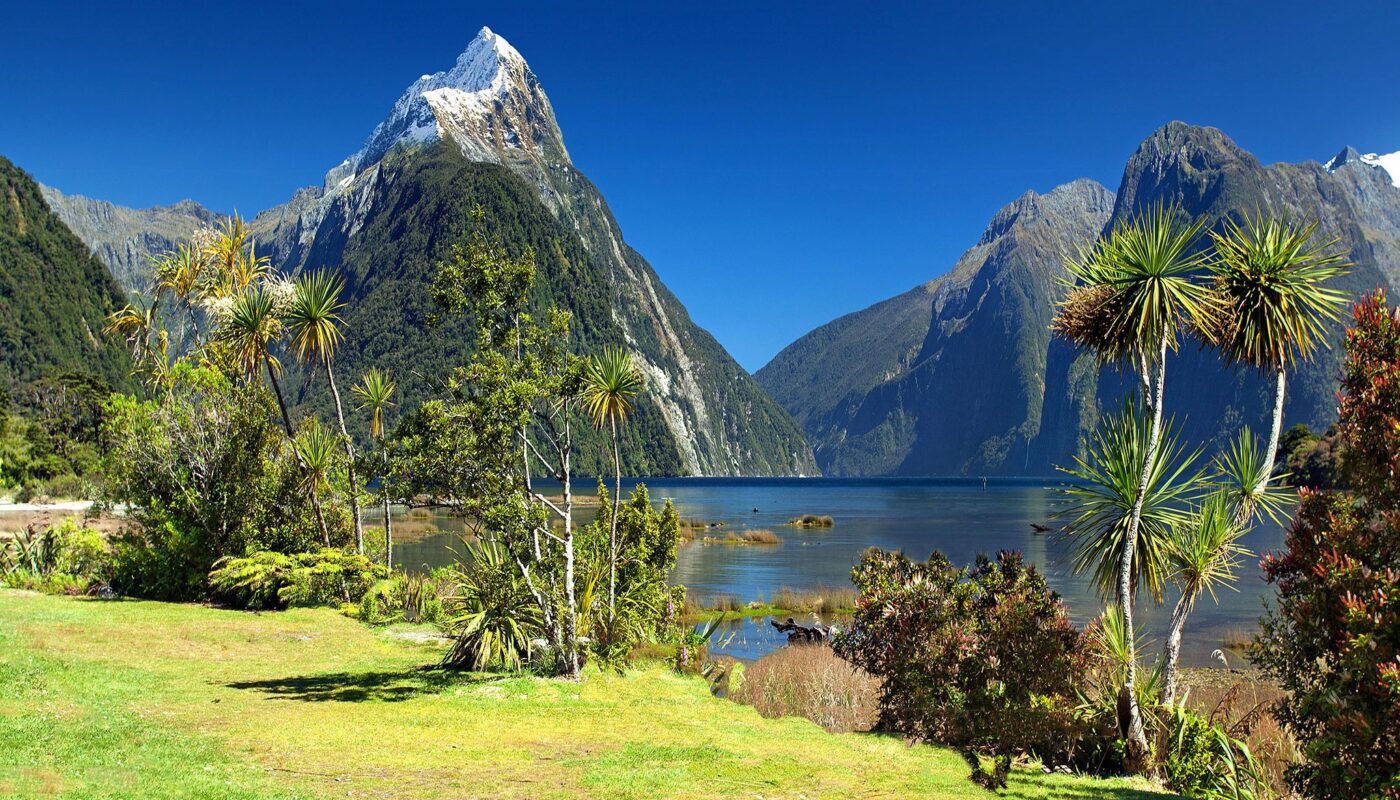
by Few natural attractions in the world are as instantly recognizable as Milford Sound. Surrounded by towering mountains, dramatic waterfalls, lush rainforests, and deep blue waters, this iconic destination attracts hundreds of thousands of visitors each year. Located within the spectacular Fiordland National Park on New Zealand’s South Island, Milford Sound is often described as one of the most beautiful places on Earth.
Yet despite its worldwide fame, many travelers are surprised to learn that Milford Sound is not technically a sound at all.
Geologists and geographers classify it as a fjord.
This creates an interesting question: If Milford Sound is actually a fjord, why is it called a sound? Is the name incorrect? Was it misunderstood when it was discovered? And what exactly is the difference between a sound and a fjord?
The answer lies in a fascinating story involving glaciers, geological history, early explorers, and one of the most spectacular landscapes ever created by nature.
Understanding the Difference Between a Sound and a Fjord
To understand why Milford Sound is truly a fjord, it is important to distinguish between the two landforms.
Although they may appear similar at first glance, sounds and fjords form in very different ways.
What Is a Fjord?
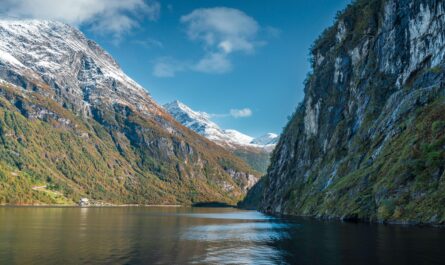
A fjord is a long, narrow inlet of the sea created by glacial activity.
Its defining characteristics include:
- Steep-sided valleys
- Extremely deep water
- U-shaped cross-sections
- Glacial origins
- Mountainous surroundings
Fjords form when massive glaciers slowly carve deep valleys through rock over thousands of years.
When the glaciers eventually melt and retreat, seawater floods the valley, creating the fjord.
Famous examples include:
- Geirangerfjord
- Sognefjord
- Nærøyfjord
- Scoresby Sund
What Is a Sound?
A sound is generally a broad sea inlet or channel formed primarily through river erosion, coastal flooding, tectonic activity, or rising sea levels.
Sounds typically feature:
- Wider openings
- Less dramatic valley walls
- Shallower depths
- Non-glacial origins
Examples include:
- Puget Sound
- Long Island Sound
The key distinction is simple:
Fjords are carved by glaciers. Sounds are generally not.
Milford Sound’s Geological Origins
When scientists study the formation of Milford Sound, the evidence overwhelmingly points toward a glacial origin.
Millions of years ago, the region now known as Fiordland consisted of rugged mountains shaped by tectonic forces.
Later, during repeated ice ages, enormous glaciers flowed through these mountains.
These glaciers acted like slow-moving rivers of ice.
Over thousands of years they:
- Scraped rock surfaces
- Deepened valleys
- Widened mountain corridors
- Carved steep walls
- Created U-shaped valleys
The erosive power of ice transformed the landscape dramatically.
When temperatures rose and the glaciers melted, seawater entered the carved valleys.
The result was the magnificent inlet we see today.
This process perfectly matches the scientific definition of a fjord.
The Remarkable Depth of Milford Sound
One of the strongest pieces of evidence supporting Milford Sound’s classification as a fjord is its depth.
The water reaches depths of approximately 400 meters (1,300 feet) in some locations.
This extraordinary depth is characteristic of glacial carving.
Glaciers often excavate valleys far below present-day sea level.
When seawater fills these depressions, deep fjords are created.
River erosion alone rarely produces such dramatic underwater landscapes.
Milford Sound’s depth is therefore another clue pointing toward its glacial origins.
Why Is It Called Milford Sound?
If Milford Sound is clearly a fjord, why does its name suggest otherwise?
The answer involves early European exploration.
Early Naming History
The area was originally known by Māori communities as:
Piopiotahi
This name remains widely recognized today and carries deep cultural significance.
In the early nineteenth century, European explorers began mapping the region.
One of them, Welsh explorer and sealer John Grono, named the inlet Milford Haven after a coastal location in Wales.
Over time, the name evolved into Milford Sound.
At the time, explorers often lacked detailed geological knowledge of the landscapes they encountered.
The term “sound” was frequently applied to coastal inlets regardless of their origins.
As a result, the name remained even after scientists later determined that the landform was actually a fjord.
Milford Sound Is Not Alone
Interestingly, Milford Sound is not the only incorrectly named “sound” in New Zealand.
Several famous waterways within Fiordland carry similar names despite being fjords.
Examples include:
- Doubtful Sound
- Dusky Sound
Geologically speaking, all of these are fjords.
In fact, the entire Fiordland region is composed of glacially carved fjord systems.
The naming convention simply reflects historical terminology rather than geological accuracy.
The Glacial Legacy of Fiordland


7
The broader Fiordland region provides compelling evidence of glacial activity.
Visitors can observe classic fjord characteristics throughout the landscape.
These include:
U-Shaped Valleys
Unlike V-shaped river valleys, glacial valleys have broad U-shaped profiles.
These are clearly visible throughout Fiordland.
Steep Cliffs
The nearly vertical walls surrounding Milford Sound were carved by moving ice.
Some rise more than 1,200 meters directly from the water.
Hanging Valleys
Many waterfalls originate from hanging valleys located high above the fjord.
These form when smaller glaciers join larger glacier systems.
Glacially Polished Rock
Many rock surfaces display smooth textures created by ancient glaciers scraping across the landscape.
Together, these features leave little doubt about the region’s glacial history.
The Formation of Milford Sound Step by Step
Understanding the formation process helps explain why Milford Sound fits the definition of a fjord so perfectly.
Stage 1: Mountain Building
Tectonic forces uplifted the mountains of Fiordland over millions of years.
Stage 2: Ice Age Expansion
Large glaciers formed during colder climatic periods.
Stage 3: Valley Carving
Glaciers gradually widened and deepened mountain valleys.
Stage 4: Glacier Retreat
As temperatures warmed, glaciers melted and retreated.
Stage 5: Marine Flooding
Seawater flooded the valleys, creating deep marine inlets.
Stage 6: Modern Fjord Landscape
The dramatic scenery we see today emerged.
This sequence exactly matches the accepted model of fjord formation.
What Makes Milford Sound Unique Among Fjords?
Although many fjords around the world share common characteristics, Milford Sound possesses several unusual features.
Extraordinary Rainfall
Milford Sound is one of the wettest inhabited places on Earth.
Annual rainfall often exceeds 6,000 millimeters.
This abundance of rain creates hundreds of temporary waterfalls after storms.
Vertical Relief
The mountains surrounding the fjord rise dramatically from sea level.
Few fjords display such extreme elevation changes over short distances.
Dense Rainforest
Unlike some Arctic fjords, Milford Sound is covered in lush temperate rainforest.
The contrast between green vegetation and dark cliffs creates a distinctive appearance.
Wildlife
Visitors frequently encounter:
- Dolphins
- Seals
- Penguins
- Rare bird species
These ecological features enhance the destination’s appeal.
Why the Fjord Versus Sound Debate Matters
At first glance, the distinction may seem unimportant.
After all, Milford Sound remains beautiful regardless of its classification.
However, understanding the difference matters for several reasons.
Geological Education
Correct terminology helps people understand how landscapes form.
Scientific Accuracy
Accurate classification improves communication among researchers and educators.
Appreciation of Natural History
Recognizing Milford Sound as a fjord highlights the extraordinary power of glaciers.
Tourism Awareness
Many visitors become more fascinated with the destination after learning about its geological origins.
Understanding the landform adds depth to the travel experience.
How Milford Sound Compares to Norwegian Fjords
Because Norway is often considered the world’s fjord capital, comparisons are inevitable.
Milford Sound shares many similarities with famous Norwegian fjords.
Similarities
- Glacial origins
- Deep waters
- Steep mountain walls
- Waterfalls
- Dramatic scenery
Differences
Milford Sound often experiences:
- More rainfall
- Denser vegetation
- Milder climate
- Greater year-round greenery
Many travelers who have visited both destinations consider Milford Sound equal in beauty to some of Norway’s most famous fjords.
Indigenous Perspectives
Long before European explorers arrived, Māori communities had deep cultural connections to the area.
Piopiotahi features prominently in traditional stories and cultural heritage.
For Māori people, the landscape represents far more than a geological formation.
It is part of a living cultural landscape connected to ancestry, identity, and history.
Modern recognition of both the Māori name and European name reflects the region’s rich heritage.
Visiting Milford Sound Today
Milford Sound remains one of New Zealand’s most visited natural attractions.
Popular activities include:
- Boat cruises
- Kayaking
- Scenic flights
- Wildlife viewing
- Photography
- Hiking
Many travelers arrive expecting beautiful scenery and leave with a newfound appreciation for geology and natural history.
Learning that the famous “sound” is actually a fjord often becomes one of the most memorable facts about the destination.
Conclusion
So, is Milford Sound really a fjord?
The scientific answer is unequivocally yes.
Although its name suggests otherwise, Milford Sound was carved by powerful glaciers during past ice ages and possesses all the defining characteristics of a fjord: steep-sided valleys, deep water, glacial origins, and dramatic mountainous surroundings.
The reason it is called a sound is largely historical. Early European explorers applied a name that remained in common usage long before geologists fully understood the landscape’s origins. Similar naming quirks exist elsewhere in New Zealand, particularly throughout Fiordland.
Far from diminishing its appeal, understanding Milford Sound’s true identity enhances appreciation for this remarkable place. Knowing that immense glaciers sculpted the towering cliffs, deep waters, and breathtaking scenery adds another layer of wonder to an already extraordinary destination.
Whether you call it Milford Sound or Piopiotahi, one fact remains clear: it is one of the world’s most spectacular fjords, and a powerful reminder of the immense natural forces that continue to shape our planet.