by
by Choosing the perfect cruise is about much more than selecting a destination. The type of vessel you travel on can dramatically shape your overall experience. While large cruise ships offer endless entertainment, luxury amenities, and affordable pricing, small boat tours provide intimate adventures, personalized service, and access to places that giant ships simply cannot reach.
So, which option is truly better?
The answer depends entirely on your travel style, budget, expectations, and priorities. Some travelers dream of floating resorts complete with theaters, water parks, and dozens of restaurants. Others seek peaceful journeys through secluded fjords, remote islands, hidden coves, and untouched wilderness.
This comprehensive guide compares small boat tours and large cruises across every important category—from comfort and cost to scenery, wildlife, dining, sustainability, and overall experience—helping you decide which voyage best matches your ideal vacation.
Understanding the Difference
Before comparing the two, it’s important to understand what separates them.
What Is a Small Boat Tour?
Small boat tours generally use vessels carrying anywhere from 8 to around 200 passengers, depending on the operator. These may include:
- Expedition ships
- Sailing yachts
- Catamarans
- Zodiac-supported expedition vessels
- Boutique cruise ships
- River expedition boats
Their defining feature is flexibility. Small boats can access narrow waterways, shallow bays, hidden harbors, and remote coastlines inaccessible to larger vessels.
What Is a Big Cruise?
Large cruise ships typically carry between 2,000 and over 7,000 passengers.
These floating cities often include:
- Multiple swimming pools
- Water slides
- Casinos
- Shopping malls
- Broadway-style theaters
- Ice skating rinks
- Surf simulators
- Dozens of restaurants
- Luxury spas
- Fitness centers
For many travelers, the ship itself becomes the destination.
Atmosphere: Intimate vs Energetic
One of the biggest differences is the onboard atmosphere.
Small Boat Tours
Small vessels feel peaceful and personal.
Passengers often:
- Learn each other’s names
- Dine together
- Share excursions
- Interact closely with guides
- Build friendships
The environment is quiet, relaxed, and immersive.
Instead of crowds, you’ll hear waves, birds, waterfalls, and the sounds of nature.
Big Cruises
Large ships are lively.
Expect:
- Live entertainment
- Parties
- Music venues
- Family activities
- Nightclubs
- Large social gatherings
Some travelers love the constant excitement.
Others find the crowds overwhelming.
Access to Remote Destinations
This is where small boats truly shine.
Small Boat Advantages
Small vessels can explore:
- Hidden fjords
- Tiny fishing villages
- Glacier lagoons
- Narrow channels
- Wildlife sanctuaries
- Remote islands
Many destinations simply cannot accommodate giant cruise ships.
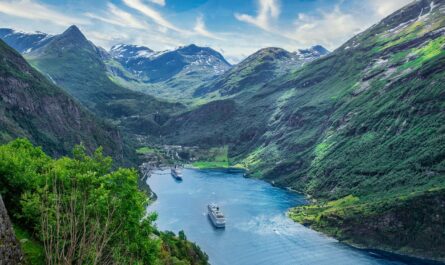
For example, in Norway, Alaska, Greenland, Antarctica, and Iceland, smaller expedition boats often reach spectacular locations unavailable to larger vessels.
Big Cruise Limitations
Large ships require:
- Deep-water ports
- Large docking facilities
- Spacious turning areas
Passengers frequently disembark at busy commercial ports rather than charming local harbors.
Sometimes they must transfer by tender boats, adding extra travel time.
Wildlife Viewing
Nature lovers should pay close attention to this category.
Small Boat Tours
Advantages include:
- Quiet engines
- Closer approaches
- Zodiac excursions
- Expert naturalists
- Flexible schedules
- Slower cruising
Wildlife commonly seen includes:
- Whales
- Dolphins
- Puffins
- Seals
- Polar bears (expeditions)
- Penguins
- Sea lions
- Eagles
Captains can often adjust routes if wildlife appears nearby.
Big Cruises
Large ships can certainly spot whales and dolphins.
However:
- Viewing is usually from higher decks
- Ships rarely alter course
- Wildlife encounters tend to be shorter
- Greater distance reduces photography opportunities
Scenic Experience
Small Boats
Passengers stay close to nature.
Imagine sailing:
- Beneath towering cliffs
- Along waterfalls
- Next to floating icebergs
- Through narrow fjords
- Into sea caves
The scenery surrounds you rather than appearing far away.
Photography opportunities improve dramatically.
Big Cruises
Large ships offer elevated panoramic views.
Observation decks provide sweeping vistas.
However:
- The ship remains farther offshore.
- Some narrow waterways are inaccessible.
- Smaller scenic detours are impossible.
Shore Excursions
Small Boat Tours
Excursions are often included.
Examples include:
- Guided hikes
- Kayaking
- Wildlife walks
- Glacier landings
- Snorkeling
- Village visits
- Cultural experiences
Groups are smaller, creating more meaningful interactions.
Big Cruises
Large cruise operators offer dozens of excursions.
However:
- Many involve buses.
- Groups may exceed 40–100 people.
- Popular attractions become crowded.
- Timetables are stricter.
Flexibility
Small Boats
One of the greatest strengths.
Captains can often change plans due to:
- Whale sightings
- Better weather
- Ice conditions
- Wildlife opportunities
- Passenger interests
Schedules are more adaptable.
Big Cruises
Large ships operate on precise schedules.
Because of:
- Port reservations
- Fuel planning
- Thousands of passengers
- Logistics
Itineraries rarely change.
Onboard Entertainment
This is where large cruises dominate.
Big Cruises Offer
- Broadway productions
- Live music
- Casinos
- Comedy clubs
- Shopping
- Water parks
- Mini golf
- Sports courts
- Escape rooms
- Cooking classes
- Dance clubs
- Multiple cinemas
There is almost always something happening.
Small Boat Tours
Entertainment focuses on:
- Nature talks
- Photography workshops
- Marine biology lectures
- Stargazing
- Local cultural presentations
- Wildlife briefings
Evenings tend to be peaceful rather than action-packed.
Dining Experience
Small Boats
Meals often emphasize:
- Local ingredients
- Fresh seafood
- Regional cuisine
- Smaller dining rooms
- Personalized service
Menus may change daily.
Passengers often dine together, encouraging conversation.
Big Cruises
Dining choices are extensive.
Options may include:
- Italian
- Japanese
- Mexican
- Steakhouse
- Seafood
- Buffets
- Fine dining
- Casual cafés
Food variety is difficult to match.
Passenger Numbers
Small Boat
Typical passengers:
- 10–150
- Occasionally up to 200
Advantages:
- Less waiting
- Faster boarding
- Easier excursions
- Quieter public spaces
Big Cruise
Passengers:
- 2,000–7,500+
Challenges include:
- Longer queues
- Busy elevators
- Crowded buffets
- Congested pools
- Large embarkation terminals
Cabin Size
This varies significantly.
Small Boats
Cabins are often:
- Compact
- Functional
- Comfortable
Luxury expedition ships now offer spacious suites comparable to premium hotels.
Big Cruises
Choices range from:
- Interior cabins
- Balcony rooms
- Ocean-view suites
- Multi-room luxury apartments
Travelers enjoy a wider selection of accommodation categories.
Price Comparison
Many assume large cruises are always more expensive.
Not necessarily.
Big Cruises
Often include:
- Lower base fares
- Frequent promotions
- Family discounts
However, extra costs may include:
- Specialty dining
- Drinks
- Wi-Fi
- Excursions
- Gratuities
Final expenses can rise considerably.
Small Boat Tours
Typically include:
- Excursions
- Guides
- Some beverages
- Educational programs
- Equipment
- Landings
Although the upfront price appears higher, overall value can sometimes exceed that of large cruises.
Sustainability
Environmental impact matters to many travelers.
Small Boats
Advantages:
- Smaller passenger footprint
- Less overcrowding
- Better local engagement
- Greater emphasis on conservation
- Lower pressure on fragile destinations
Many expedition companies actively support scientific research.
Big Cruises
Modern ships continue improving efficiency through:
- Cleaner fuels
- Wastewater treatment
- Shore power technology
- Recycling initiatives
However, transporting thousands of passengers naturally creates a larger environmental footprint.
Family Friendliness
Big Cruises
Excellent for families.
Children enjoy:
- Kids’ clubs
- Teen lounges
- Water slides
- Arcades
- Character events
- Sports activities
Parents benefit from supervised children’s programs.
Small Boats
Better suited for:
- Older children
- Teenagers
- Nature enthusiasts
- Multi-generational families
Young children may find limited onboard entertainment.
Photography Opportunities
Photographers often prefer smaller boats.
Benefits include:
- Lower viewing angles
- Less glass obstruction
- Flexible positioning
- Wildlife proximity
- Sunrise access
- Zodiac excursions
Large ships offer impressive panoramic photography but fewer close-up opportunities.
Crowd Levels
Small Boat
Expect:
- Quiet decks
- Empty observation areas
- Peaceful dining
- Relaxed atmosphere
Finding a seat is rarely difficult.
Big Cruise
Popular amenities often become busy.
Examples include:
- Pool chairs
- Elevators
- Buffets
- Theater entrances
Planning ahead helps avoid peak times.
Meeting Local Communities
Small Boats
Frequently visit:
- Tiny villages
- Indigenous communities
- Family-run businesses
- Local markets
Interactions tend to feel authentic and unhurried.
Big Cruises
Visits often focus on:
- Major ports
- Popular tourist districts
- Organized shopping areas
Time ashore may be limited.
Weather Experience
Small Boats
Passengers feel closer to nature.
Pros:
- Better immersion
- Outdoor exploration
- Scenic intimacy
Cons:
- More noticeable motion in rough seas
Big Cruises
Advantages:
- Greater stability
- Larger indoor spaces
- More shelter during poor weather
Rough seas are generally less noticeable.
Safety
Both options maintain high safety standards.
Small boats often carry:
- Expedition leaders
- Naturalists
- Smaller emergency procedures
Large ships benefit from:
- Extensive medical facilities
- Larger crews
- Advanced navigation systems
- Multiple safety redundancies
Both can be excellent choices when operated by reputable companies.
Best Destinations for Small Boat Tours
Small vessels excel in destinations such as:
- Norwegian fjords
- Antarctica
- Greenland
- Alaska’s Inside Passage
- Galápagos Islands
- Scottish Highlands
- Croatian islands
- Iceland
- Arctic Svalbard
- French Polynesia
These locations reward flexibility and close access to nature.
Best Destinations for Big Cruises
Large ships are ideal for:
- Caribbean
- Mediterranean
- Baltic Sea
- Mexican Riviera
- Hawaii
- Southeast Asia
- Australia
- Panama Canal
- Canary Islands
These regions feature well-developed cruise infrastructure and numerous major ports.
Who Should Choose a Small Boat Tour?
A small boat tour is ideal if you:
- Love wildlife.
- Prefer peaceful vacations.
- Enjoy photography.
- Appreciate personalized service.
- Want authentic cultural encounters.
- Value flexibility.
- Enjoy hiking or kayaking.
- Prefer learning experiences over entertainment.
Who Should Choose a Big Cruise?
A large cruise is a better fit if you:
- Travel with young children.
- Love nightlife.
- Want endless entertainment.
- Prefer many dining choices.
- Seek lower upfront pricing.
- Enjoy luxury amenities.
- Like meeting many fellow travelers.
- Want a resort-style vacation.
Can You Enjoy Both?
Absolutely.
Many experienced travelers alternate between the two depending on the destination.
For example:
- Explore Antarctica on an expedition ship.
- Cruise the Caribbean on a mega-ship.
- Discover Norwegian fjords aboard a small expedition vessel.
- Visit Mediterranean capitals on a larger cruise.
- Sail through Alaska’s narrow waterways on a boutique expedition cruise, then enjoy a family-focused Caribbean voyage on a larger ship the following year.
Rather than viewing one style as universally superior, think of them as different ways to experience the world. Each offers unique advantages that suit different destinations and travel goals.
Final Verdict
So, which is better: a small boat tour or a big cruise?
There is no universal winner because the best choice depends on what you value most.
If your dream vacation revolves around spectacular landscapes, wildlife encounters, hidden destinations, and meaningful interactions with nature and local communities, a small boat tour offers an unforgettable, immersive experience. These voyages prioritize exploration over entertainment and often create lasting memories through intimate adventures and personalized service.
On the other hand, if you enjoy a lively atmosphere, world-class entertainment, diverse dining options, family-friendly activities, and exceptional value for money, a big cruise delivers an all-in-one holiday where the ship itself becomes a major attraction.
Ultimately, the ideal cruise aligns with your travel personality. Adventure seekers, photographers, and nature lovers often gravitate toward smaller vessels, while families, first-time cruisers, and travelers looking for convenience and variety may find larger cruise ships more rewarding.
Whichever option you choose, the true magic lies in discovering new destinations, embracing different cultures, and creating unforgettable experiences at sea.