 by
by For many travelers, the dream of visiting a fjord includes images of blue skies, mirror-like waters, and sunlight illuminating towering mountain walls. Whether it’s the dramatic landscapes of Norway, the misty waterways of New Zealand, or the remote fjord regions of Patagonia, people often hope for perfect weather to enjoy these natural wonders.
But fjords are closely connected to weather, especially rain. In fact, many of the world’s most famous fjord destinations receive significant rainfall throughout the year. Travelers planning a fjord vacation often wonder: What happens when it rains in fjords? Does the scenery lose its appeal? Is it still worth visiting?
The surprising answer is yes—often more than ever.
Rain transforms fjord landscapes in remarkable ways. Waterfalls become more powerful, forests appear richer in color, mountain peaks emerge and disappear through drifting clouds, and the entire atmosphere takes on a dramatic, almost magical quality. While rainy conditions can alter travel plans and outdoor activities, they also reveal a side of fjords that many visitors never expect.
Understanding how rain affects fjords can help travelers prepare properly and appreciate these landscapes regardless of weather conditions.
Why Fjords Often Experience Frequent Rain
To understand rain in fjords, it helps to understand how fjords were formed and where they are located.
Most fjords exist in regions where mountains rise directly from the sea. These landscapes create ideal conditions for rainfall.
When moist air from oceans moves inland, it encounters steep mountain slopes. As the air rises, it cools and releases moisture in the form of rain.
This process, known as orographic precipitation, is one reason why many fjord regions receive substantial annual rainfall.
Examples include:
- Western Norway
- Fiordland in New Zealand
- Coastal Alaska
- Parts of Chilean Patagonia
In many cases, rain is not an occasional event—it is a defining feature of the local environment.
The Landscape Changes Almost Instantly
One of the most fascinating aspects of rain in fjords is how quickly the scenery transforms.
A landscape that appears calm and relatively dry in the morning can look entirely different after several hours of rainfall.
Visitors often notice:
- More visible waterfalls
- Darker mountain colors
- Enhanced reflections on water surfaces
- Low-hanging clouds and mist
- Stronger contrasts between rock, forest, and water
The transformation can feel dramatic, almost as though the landscape has come alive.
Waterfalls Multiply Everywhere
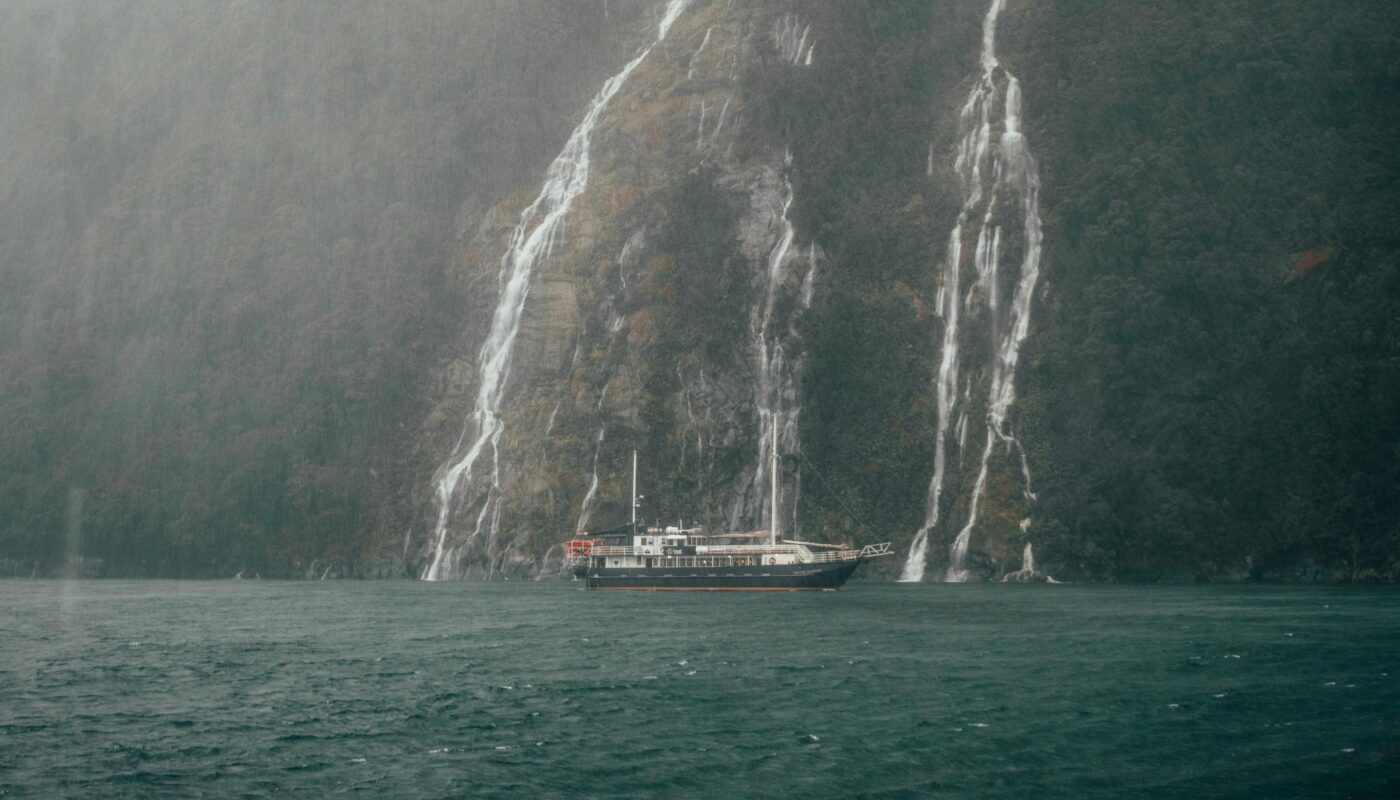
Perhaps the most spectacular effect of rain in a fjord is the sudden appearance of waterfalls.
Many mountain walls contain countless small streams that remain hidden during dry periods. After rainfall, these streams become visible as ribbons of water cascading down cliffs.
In heavily rainy conditions, entire mountainsides may seem covered with waterfalls.
Some travelers are surprised to discover that:
- A famous waterfall becomes significantly larger after rain.
- New temporary waterfalls appear where none existed before.
- Cliff faces begin flowing with hundreds of miniature cascades.
For photographers and nature enthusiasts, rainy weather can actually create more impressive scenery than sunny conditions.
Mist Creates a Dramatic Atmosphere
Rain often brings fog and low clouds into fjord valleys.
While some visitors worry that mist will obscure views, it frequently enhances them.
The combination of:
- Mountain peaks disappearing into clouds
- Waterfalls emerging through fog
- Reflections on dark water
- Forests covered in moisture
creates a mood that feels mysterious and cinematic.
Many iconic fjord photographs are captured on cloudy or rainy days because the atmosphere appears more dramatic than under clear skies.
Colors Become Richer and More Vibrant
Rain changes the appearance of vegetation in remarkable ways.
After rainfall:
- Moss becomes brighter
- Forests appear greener
- Rock surfaces deepen in color
- Wildflowers look more vivid
The moisture enhances natural colors, creating a lush appearance that many travelers associate with classic fjord scenery.
This effect is especially noticeable in regions such as:
- Western Norway
- New Zealand’s Fiordland
- Coastal British Columbia
These ecosystems owe much of their beauty to regular rainfall.
Wildlife Activity May Change
Rain can influence wildlife behavior in fjord regions.
Depending on the species and location, visitors may notice:
- Birds seeking shelter
- Marine animals surfacing during calmer periods
- Increased activity among amphibians
- Changes in feeding patterns
Wildlife sightings can sometimes become less predictable during heavy rain, but quieter tourist conditions may improve opportunities for observing certain species.
Patience often becomes the key.
Boat Tours Continue in Most Conditions
Many travelers worry that rain will cancel fjord cruises or sightseeing boats.
In actuality, even in mild or heavy rain, the majority of fjord boat cruises continue to operate.
This is because:
- Fjords are accustomed to changing weather
- Tour operators plan for wet conditions
- Rain rarely affects navigation significantly
In fact, some boat trips become even more impressive during rainfall because waterfalls intensify dramatically.
Passengers who dress appropriately often enjoy memorable experiences despite wet weather.
Hiking Requires More Preparation
Rain affects hiking more significantly than sightseeing cruises.
Trails may become:
- Muddy
- Slippery
- More challenging to navigate
Water crossings can also become more difficult after prolonged rainfall.
However, many popular fjord hikes remain accessible when hikers use:
- Waterproof footwear
- Proper rain gear
- Trekking poles
- Layered clothing
Safety should always take priority, particularly in mountainous terrain where weather can change rapidly.
Kayaking in Rain Can Be Surprisingly Enjoyable
Many people assume kayaking is only enjoyable in sunshine.
Experienced paddlers often disagree.
Rainy conditions can create:
- Fewer crowds
- Calm water surfaces
- Enhanced natural sounds
- A stronger feeling of wilderness
Listening to raindrops on the water while paddling through a quiet fjord can be a remarkably peaceful experience.
Of course, proper waterproof equipment is essential.
Photography Opportunities Improve in Unique Ways
Sunny weather is not always ideal for landscape photography.
Rain and cloud cover often provide:
- Softer lighting
- Reduced glare
- Richer colors
- More dramatic skies
Photographers frequently appreciate:
- Misty mountain peaks
- Reflections in wet surfaces
- Rain-enhanced waterfalls
- Moody atmospheric conditions
Some of the most memorable fjord images are captured during changing weather rather than perfect sunshine.
The Soundscape Changes Completely
Rain alters not just what you see but also what you hear.
During rainfall, visitors may notice:
- Water rushing down cliffs
- Streams growing louder
- Raindrops striking the fjord surface
- Wind moving through forests
These sounds create an immersive sensory experience that many travelers remember long after their trip ends.
The landscape feels more alive and dynamic.
Indoor Experiences Become More Appealing
Rainy days also provide opportunities to enjoy local culture.
Depending on the destination, visitors can explore:
- Museums
- Visitor centers
- Historic villages
- Cafés
- Local restaurants
Slowing down occasionally allows travelers to experience aspects of fjord regions that might otherwise be overlooked.
A balance between outdoor exploration and cultural activities often creates a more rewarding trip overall.
Challenges of Visiting Fjords in Rain
While rain can enhance scenery, it does create practical challenges.
Common issues include:
- Reduced visibility
- Wet clothing
- Slippery trails
- Delayed outdoor plans
- Difficult photography equipment management
Preparation is essential.
Travelers should pack:
- Waterproof jackets
- Rain pants
- Waterproof shoes
- Dry bags
- Extra clothing layers
Good equipment often makes the difference between discomfort and enjoyment.
Why Locals Rarely Let Rain Stop Them
In many fjord regions, residents are accustomed to wet weather.
If locals waited for perfect conditions, they might spend much of the year indoors.
Instead, outdoor culture often embraces rain as part of everyday life.
Visitors who adopt a similar mindset usually enjoy their trip more than those who focus exclusively on finding sunny weather.
The Myth of Perfect Weather
Many travelers imagine that clear skies automatically create the best experience.
In reality, fjords are dynamic environments shaped by water and weather.
Some of their most iconic features exist because of rainfall:
- Waterfalls
- Lush forests
- Moss-covered cliffs
- Misty valleys
Without rain, many fjord landscapes would look completely different.
In a sense, rain is part of what makes fjords special.
When Rain Becomes Too Much
Of course, there are limits.
Extremely heavy rainfall can occasionally lead to:
- Flooding
- Landslides
- Road closures
- Ferry disruptions
Travelers should always monitor local weather forecasts and follow official safety advice.
Fortunately, severe weather events are relatively uncommon compared to ordinary rain showers.
Tips for Enjoying Fjords in Wet Weather
To make the most of rainy conditions:
- Bring quality waterproof clothing.
- Protect electronics with dry bags.
- Allow flexibility in your itinerary.
- Embrace changing weather rather than resisting it.
- Take advantage of photography opportunities.
- Choose activities suitable for conditions.
- Stay informed about forecasts and local guidance.
Prepared travelers often discover that rainy days become some of the most memorable parts of their journey.
Final Thoughts
So, what happens when it rains in fjords?
The landscape becomes more dynamic, more dramatic, and in many ways more authentic. Waterfalls multiply, forests glow with rich color, clouds wrap around mountain peaks, and the entire environment feels alive with movement and sound.
While rain may require adjustments to hiking plans or outdoor schedules, it rarely diminishes the beauty of a fjord destination. In fact, many seasoned travelers and photographers consider rainy conditions to be among the best times to experience these remarkable landscapes.
Is it still worth visiting a fjord when it rains?
Absolutely.
Rain is not the enemy of a fjord vacation—it is one of the forces that created these extraordinary landscapes in the first place. By arriving prepared and embracing the weather, visitors often discover a side of fjord country that is more atmospheric, more memorable, and more beautiful than they ever expected.