 by
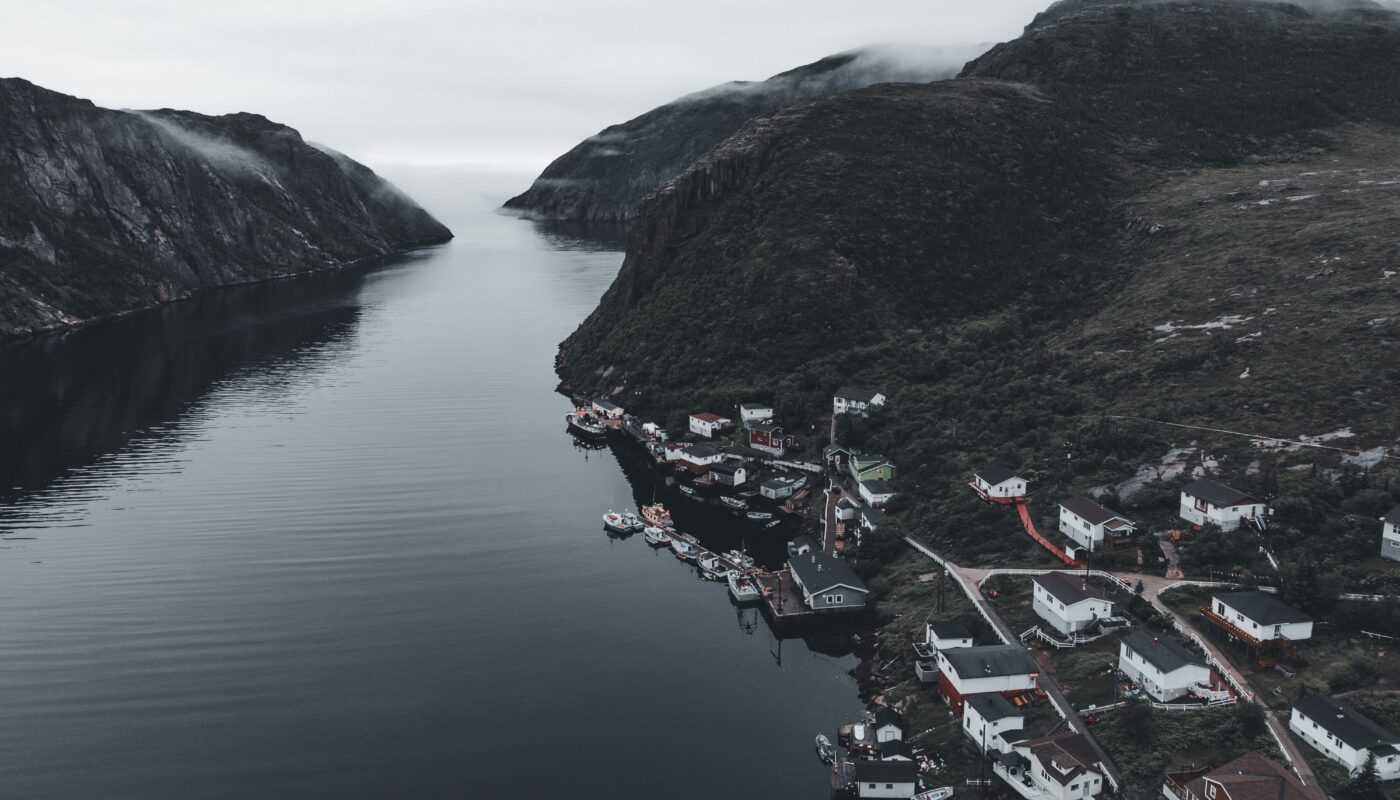
by Fjords are among the most dramatic and awe-inspiring landscapes on Earth. Formed over thousands of years by massive glaciers carving deep valleys that later filled with seawater, these steep-sided inlets have long captivated explorers, photographers, and travelers. Many people associate fjords with picturesque villages, scenic cruises, and famous destinations like Norway’s Geirangerfjord or New Zealand’s Milford Sound. However, beyond the well-known tourist spots lies another reality—some fjord regions are so remote that they remain among the least accessible places on the planet.
The concept of remoteness goes far beyond simple distance. Some fjord areas are difficult to reach because of towering mountains, unpredictable weather, limited infrastructure, and sparse populations. In certain regions, there are no roads, no permanent settlements, and no reliable communication networks. Visiting these isolated landscapes can feel like stepping into another world where nature still reigns supreme.
So, how remote are some fjord areas really? The answer may surprise even seasoned travelers.
Understanding Remoteness in Fjord Landscapes
When people think of remote places, they often imagine deserts, dense jungles, or polar regions. Fjords, however, can be equally isolated despite being relatively close to modern civilization.
A fjord may be considered remote because of several factors:
- Lack of roads or transportation networks
- Minimal or no permanent population
- Limited communication services
- Harsh weather conditions
- Difficult terrain
- Restricted access during certain seasons
- Long travel times despite short geographical distances
A fjord only a few hundred kilometers from a major city may still require multiple ferries, small aircraft, or lengthy hikes to reach.
The steep mountains that make fjords so beautiful also create natural barriers that isolate communities and landscapes.
Why Fjords Became Isolated
The geography of fjords naturally limits human development.
Glaciers carved deep valleys with near-vertical sides, leaving little flat land suitable for roads, farming, or large settlements. Building infrastructure in these environments is often expensive and technically challenging.
As a result, many fjord communities historically relied on:
- Boats
- Fishing
- Seasonal trade routes
- Small-scale agriculture
Even today, some fjord settlements remain accessible only by water or air.
Norway: The World’s Most Famous Remote Fjord Region


8
Norway possesses more than a thousand fjords and arguably the world’s most famous fjord landscapes. While destinations like Geirangerfjord and Nærøyfjord attract millions of visitors, numerous remote fjord regions remain largely untouched.
Villages Without Road Connections
Some Norwegian communities have no direct road access. Residents rely on ferries, small boats, or tunnels that were built only recently.
In earlier centuries, some villages remained isolated for much of the winter because heavy snow blocked mountain passes.
Even today, bad weather can temporarily cut off transportation routes.
The Challenge of Winter
Winter dramatically increases the remoteness of certain fjord areas.
Heavy snowfall can:
- Close mountain roads
- Delay ferries
- Trigger avalanches
- Disrupt communication systems
Communities may depend on emergency supplies and carefully planned transportation schedules.
For visitors, this means that reaching some fjords during winter requires flexibility and preparation.
Greenland: Among the Most Remote Fjord Landscapes on Earth


7
Few places demonstrate true fjord remoteness better than Greenland.
The world’s largest island contains an extraordinary network of fjords stretching deep into ice-covered landscapes. Many of these fjords have no roads connecting them to other settlements.
Transportation in Greenland
Most communities rely on:
- Boats
- Helicopters
- Small aircraft
- Seasonal sea routes
There are virtually no highways linking towns across much of the island.
In some regions, neighboring communities that appear close on a map may require lengthy boat journeys or flights to reach.
The Influence of Ice
Sea ice can isolate fjord communities for months.
Conversely, melting ice and storms can also make transportation hazardous. Supplies often arrive according to carefully planned schedules, and unexpected weather changes may delay travel significantly.
Some Greenlandic fjords receive only a handful of visitors each year, making them among the most isolated landscapes on Earth.
Canada’s Fjords: Vast and Wild


7
Canada’s Pacific coastline contains thousands of fjords, particularly in British Columbia.
Many of these regions remain largely undeveloped because of:
- Dense forests
- Rugged mountains
- Heavy rainfall
- Sparse populations
The Great Bear Rainforest
The Great Bear Rainforest contains numerous remote fjords where human presence is minimal.
Many areas are accessible only by:
- Floatplane
- Boat
- Kayak
Visitors can spend days exploring these fjords without encountering another person.
Wildlife often outnumbers humans in these regions.
Limited Infrastructure
Road construction in coastal mountain environments is extremely expensive.
As a result, many fjords in western Canada remain pristine wilderness areas where nature continues to dominate the landscape.
Alaska’s Remote Fjords
The southern coast of Alaska features some of North America’s most spectacular fjords.
Large portions of these landscapes are protected wilderness areas.
Examples include:
- Kenai Fjords National Park
- Glacier Bay National Park and Preserve
These areas contain glaciers, mountains, and marine ecosystems that remain relatively untouched.
Weather Adds to Isolation
Alaska’s fjords experience:
- Intense storms
- Heavy rainfall
- Strong winds
- Frequent fog
Even modern transportation can be disrupted by weather conditions, increasing the sense of remoteness.
Chilean Patagonia: A Maze of Isolated Fjords
The fjords of southern Chile rank among the world’s least accessible regions.
Patagonia contains a vast network of channels, islands, glaciers, and mountain ranges that create extraordinary isolation.
A Landscape Without Roads
Large sections of Chilean Patagonia simply have no roads.
Travel often requires:
- Ferries
- Expedition vessels
- Small aircraft
- Multi-day boat journeys
Some fjords can only be reached after navigating through complicated waterways and unpredictable weather.
Sparse Human Population
Many parts of Patagonia contain extremely low population densities.
Entire stretches of fjord coastline may have no permanent residents at all.
The overwhelming presence of wilderness makes these landscapes feel truly untouched.
New Zealand’s Fiordland: Isolation in a Developed Country
Although New Zealand is highly developed, its southwestern region remains surprisingly remote.
Fiordland National Park contains numerous fjords, known locally as fiords, including the famous Milford Sound and Doubtful Sound.
Vast Wilderness
Despite its popularity, much of Fiordland remains inaccessible.
Large sections can only be reached by:
- Hiking
- Boat
- Helicopter
- Small aircraft
Dense forests and rugged mountains create natural barriers that have preserved the region’s wilderness character.
The Sound of Silence
Visitors often describe Fiordland’s remoteness as psychological as much as physical.
The absence of:
- Cities
- Traffic
- Artificial lights
- Human activity
creates a powerful sense of solitude rarely experienced in the modern world.
Life in Remote Fjord Communities
Living in isolated fjord regions presents unique challenges.
Transportation
Residents may depend on:
- Ferry schedules
- Weather conditions
- Seasonal access routes
Traveling to hospitals, schools, or shopping centers can require hours or even days.
Supplies and Services
Essential goods often arrive by:
- Cargo ships
- Small aircraft
- Supply boats
Bad weather can delay deliveries and disrupt daily life.
Strong Community Bonds
Because of isolation, many fjord communities develop close-knit social relationships.
Residents often rely heavily on one another during emergencies or harsh weather conditions.
Communication Challenges
Modern technology has reduced isolation in many places, but some fjord regions still face communication limitations.
Issues include:
- Weak cellular signals
- Limited internet access
- Satellite communication dependence
- Power disruptions during storms
For travelers, this means that certain fjord adventures may involve extended periods without reliable connectivity.
For many visitors, this digital disconnection becomes one of the most rewarding aspects of the experience.
Wildlife Thrives in Remote Fjords
Remoteness often benefits wildlife.
Isolated fjord ecosystems provide habitats for:
- Whales
- Seals
- Eagles
- Bears
- Deer
- Rare seabirds
Because human disturbance remains relatively low, some fjord areas support exceptionally healthy ecosystems.
Remote fjords frequently become important conservation areas and protected parks.
The Psychological Impact of Remoteness
Modern society is increasingly connected and urbanized.
Experiencing a genuinely remote fjord can be transformative.
Visitors often describe feelings of:
- Freedom
- Perspective
- Peace
- Humility
- Wonder
Standing among towering cliffs with no roads, buildings, or crowds can provide a rare sense of connection with nature.
The silence itself often becomes one of the most memorable aspects of the journey.
Tourism and the Future of Remote Fjords
Growing tourism presents both opportunities and challenges.
Benefits
Responsible tourism can provide:
- Economic opportunities
- Infrastructure improvements
- Conservation funding
- Cultural preservation
Risks
Excessive tourism can threaten:
- Fragile ecosystems
- Wildlife habitats
- Traditional lifestyles
- The sense of isolation that makes these places special
Balancing accessibility and preservation remains a major challenge for many fjord regions.
Are Truly Remote Fjords Disappearing?
Modern transportation and technology have made many once-isolated places easier to reach.
However, numerous fjord regions remain remarkably remote because geography itself imposes limitations.
Steep mountains, severe weather, and vast distances continue to protect many of these landscapes from large-scale development.
In many cases, the natural barriers that created fjords millions of years ago still define how humans experience them today.
Conclusion
So, how remote are some fjord areas really? The answer is: incredibly remote.
From Greenland’s ice-covered waterways and Canada’s pristine coastal inlets to Patagonia’s roadless channels and New Zealand’s vast wilderness, many fjord regions remain among the most isolated environments on Earth. Their remoteness is not measured simply by kilometers but by the challenges of access, the dominance of nature, and the absence of modern infrastructure.
These landscapes remind us that even in an age of satellites, smartphones, and global transportation networks, there are still places where nature determines the rules. In these remote fjords, towering cliffs, glaciers, storms, and deep waters continue to create environments that feel wild, mysterious, and wonderfully untouched.
For travelers seeking adventure, solitude, and an authentic connection with the natural world, few destinations offer a greater sense of escape than the world’s most remote fjord landscapes.