 by
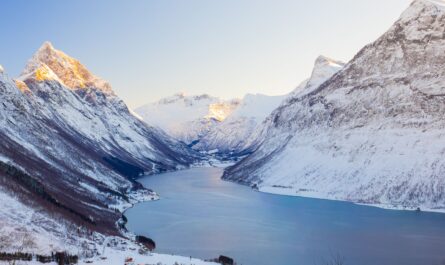
by A journey through the world’s fjord regions is unlike any other travel experience. Towering cliffs, crystal-clear waters, cascading waterfalls, snow-capped peaks, and charming coastal villages create landscapes that feel almost magical. Whether you’re exploring the majestic fjords of Norway, cruising through New Zealand’s Fiordland, kayaking in Canada’s coastal inlets, or venturing into the remote fjords of Chile and Greenland, proper packing can make the difference between a comfortable adventure and an uncomfortable one.
One of the biggest surprises for first-time fjord travelers is how quickly the weather can change. A bright, sunny morning may turn into rain and strong winds by afternoon. Temperatures can vary significantly depending on altitude, season, and proximity to glaciers. Even during summer, chilly conditions are common, particularly on boat excursions or mountain hikes.
Packing for a fjord trip requires flexibility and preparation. The key is bringing versatile items that can handle changing weather and a wide variety of outdoor activities. This guide covers everything you need to pack for a fjord adventure in every season.
Understanding Fjord Weather
Before packing, it’s important to understand why fjord climates can be unpredictable.
Fjords create their own microclimates due to:
- High mountain walls
- Nearby glaciers
- Ocean influences
- Rapid weather changes
- Elevation differences
A single day may include sunshine, rain, cool winds, and even snow in higher elevations.
Because of these conditions, the best packing strategy is layering.
The Essential Layering System
Experienced travelers and outdoor enthusiasts rely on a three-layer clothing system.
Base Layer
The base layer sits directly against your skin and helps regulate body temperature.
Choose:
- Moisture-wicking shirts
- Thermal tops
- Merino wool clothing
- Quick-drying fabrics
Avoid cotton whenever possible because it absorbs moisture and dries slowly.
Mid Layer
The mid layer provides insulation.
Ideal choices include:
- Fleece jackets
- Lightweight down jackets
- Insulated sweaters
- Synthetic insulated clothing
This layer keeps you warm during chilly mornings and evenings.
Outer Layer
The outer layer protects against wind and rain.
Your outer shell should be:
- Waterproof
- Windproof
- Breathable
- Lightweight
A high-quality rain jacket is one of the most important items for any fjord trip.
Clothing Essentials for Every Season
Waterproof Jacket
Rain is common in many fjord regions, particularly in places like western Norway and New Zealand’s Fiordland.
A waterproof jacket should include:
- Hood
- Breathable fabric
- Adjustable cuffs
- Sealed seams
Even if the forecast looks sunny, always carry one.
Waterproof Pants
Many travelers forget rain pants until they encounter unexpected weather.
They are especially useful for:
- Hiking
- Boat tours
- Kayaking
- Photography excursions
Lightweight waterproof pants take up very little luggage space and can greatly improve comfort.
Comfortable Hiking Pants
Fjord adventures often involve walking and outdoor activities.
Choose pants that are:
- Stretchable
- Quick drying
- Comfortable
- Suitable for changing temperatures
Convertible pants can be particularly useful during warmer months.
Warm Sweater or Fleece
Temperatures can drop quickly, especially near glaciers or on evening cruises.
A warm fleece or sweater provides essential insulation without adding excessive weight.
Casual Clothing
Bring comfortable clothes for:
- Restaurants
- Sightseeing
- Relaxing at accommodations
- Exploring local villages
Most fjord destinations have a casual atmosphere, so formal clothing is rarely necessary.
Footwear: The Most Important Packing Decision
Waterproof Hiking Boots
The terrain around fjords is often wet and uneven.
Good hiking boots should provide:
- Waterproof protection
- Strong grip
- Ankle support
- Comfort for long walks
Many famous fjord viewpoints require moderate hikes, making sturdy footwear essential.
Comfortable Walking Shoes
In addition to hiking boots, pack lightweight shoes for:
- City exploration
- Museums
- Casual strolls
- Dining
Having a second pair of shoes is especially useful if one pair becomes wet.
Sandals or Water Shoes
If your itinerary includes:
- Kayaking
- Beaches
- Hot springs
- Boat activities
water-friendly footwear can be extremely useful.
Packing for Summer Fjord Trips
Summer is the most popular season for visiting fjords, but it does not always mean warm weather.
Summer Clothing Essentials
Pack:
- Lightweight shirts
- T-shirts
- Shorts
- Light pants
- Sun hat
- Sunglasses
However, always include warmer layers because temperatures can remain surprisingly cool.
Sun Protection
The combination of water and mountain surfaces can intensify sunlight.
Bring:
- Sunscreen
- Lip balm with SPF
- Sunglasses with UV protection
Long daylight hours in northern regions also increase sun exposure.
Packing for Spring and Autumn
Spring and autumn offer spectacular scenery and fewer crowds, but weather conditions can be highly variable.
Additional Items
Bring:
- Extra warm layers
- Waterproof gloves
- Beanie or wool hat
- Scarf
- Additional socks
These seasons often require the most versatile packing approach.
Packing for Winter Fjord Adventures
Winter transforms fjord landscapes into snowy wonderlands.
However, proper cold-weather gear becomes essential.
Winter Clothing Checklist
Pack:
- Insulated jacket
- Thermal underwear
- Heavy socks
- Warm gloves
- Winter hat
- Neck gaiter
- Waterproof boots
Layering becomes particularly important because temperatures can vary significantly between indoor and outdoor environments.
Ice and Snow Equipment
Depending on your activities, consider bringing:
- Traction devices for boots
- Hand warmers
- Ski clothing
- Snow gaiters
Winter conditions can change rapidly in mountain environments.
The Perfect Daypack
A small backpack is one of the most useful items you can bring.
Your daypack should carry:
- Water bottle
- Camera
- Snacks
- Extra layers
- Rain gear
- Personal items
A waterproof or water-resistant backpack is ideal for fjord travel.
Electronics and Photography Gear
Most tourists take hundreds of pictures of fjord scenes because they are so stunning.
Camera Equipment
Consider packing:
- Camera body
- Extra batteries
- Memory cards
- Lens cleaning cloth
- Protective case
Cold temperatures can drain batteries faster than usual.
Smartphone Essentials
Bring:
- Portable charger
- Charging cables
- Universal adapter
- Waterproof phone pouch
Many remote fjord areas may have limited opportunities to recharge devices.
Binoculars for Wildlife Viewing
Fjords are excellent places for spotting:
- Eagles
- Seals
- Dolphins
- Whales
- Puffins
- Deer
A compact pair of binoculars can significantly enhance your experience.
Packing for Boat Excursions
Boat trips are among the highlights of any fjord vacation.
However, conditions on the water can feel much colder than on land.
Bring:
- Windproof jacket
- Extra layers
- Hat
- Gloves
- Waterproof bag
Even summer cruises can become chilly due to strong winds and glacier-cooled air.
Packing for Hiking Adventures
Many of the world’s most famous fjord viewpoints require hiking.
Hiking Essentials
Pack:
- Trekking poles
- Energy snacks
- Reusable water bottle
- First-aid kit
- Headlamp
- Map or navigation app
Preparation becomes especially important in remote areas where services may be limited.
Health and Personal Care Items
Essential Toiletries
Include:
- Toothbrush and toothpaste
- Deodorant
- Shampoo
- Medications
- Moisturizer
Mountain air and cold winds can dry the skin quickly.
First-Aid Supplies
Carry:
- Pain relievers
- Bandages
- Blister treatment
- Motion sickness medication
- Allergy medications
Boat excursions can occasionally cause seasickness, particularly in rough weather.
Documents and Travel Essentials
Don’t forget:
- Passport
- Travel insurance documents
- Identification
- Credit cards
- Emergency contacts
- Reservation confirmations
Digital copies stored on your phone can provide additional security.
Packing for Remote Fjord Destinations
Some fjord regions are highly isolated.
In these areas, consider bringing:
- Extra medications
- Power banks
- Additional snacks
- Emergency supplies
- Offline maps
You may not always have access to stores or reliable internet connections.
Sustainable Packing Tips
Fjord ecosystems are often fragile and environmentally sensitive.
Consider packing:
- Reusable water bottle
- Reusable shopping bag
- Travel utensils
- Eco-friendly toiletries
- Refillable containers
Reducing waste helps preserve these beautiful environments.
What Not to Pack
Overpacking can make travel unnecessarily difficult.
Avoid bringing:
- Too many formal clothes
- Heavy books
- Excessive electronics
- Multiple bulky jackets
- Large amounts of cash
Focus on versatile items that serve multiple purposes.
Sample All-Season Fjord Packing Checklist
Clothing
- Waterproof jacket
- Fleece jacket
- Base layers
- Hiking pants
- Casual clothes
- Warm sweater
- Extra socks
- Hat and gloves
Footwear
- Hiking boots
- Walking shoes
- Sandals or water shoes
Accessories
- Sunglasses
- Sunscreen
- Backpack
- Water bottle
- Binoculars
Electronics
- Camera
- Phone charger
- Power bank
- Adapters
Health Items
- Medications
- First-aid kit
- Toiletries
Documents
- Passport
- Insurance
- Tickets
- Emergency contacts
Adapting Your Packing List to Activities
Every fjord itinerary is different.
If your trip includes:
Hiking
Prioritize footwear and technical clothing.
Cruises
Pack additional layers and waterproof gear.
Photography
Bring extra batteries and storage.
Kayaking
Include dry bags and water shoes.
Winter Adventures
Emphasize insulation and snow gear.
Your activities should ultimately determine your final packing decisions.
Final Thoughts
Packing for a fjord trip requires preparation, flexibility, and a willingness to expect the unexpected. Fjord regions are famous for their changing weather, dramatic landscapes, and diverse outdoor activities. Whether you’re visiting in summer’s long daylight hours, the colorful autumn season, the blooming spring, or the snowy depths of winter, a carefully planned packing list ensures that you’ll be comfortable and ready for adventure.
The secret to successful fjord travel is not bringing the most luggage—it’s bringing the right items. Waterproof clothing, layered outfits, sturdy footwear, and practical accessories will prepare you for almost anything these spectacular landscapes can offer.
With the right gear in your suitcase, you’ll be free to focus on what truly matters: experiencing the breathtaking beauty, tranquility, and unforgettable adventures that make fjord destinations some of the most remarkable places on Earth.