 by
Fjord landscapes are famous for dramatic scenery. Steep mountains rise directly from deep water, waterfalls tumble down rocky cliffs, forests cover valleys, and narrow waterways create some of the most spectacular natural environments in the world.
For travelers, however, beautiful wilderness often creates an important question:
Are there bears or other dangerous animals in fjord regions?
The answer depends heavily on where you are traveling.
Not all fjords are located in the same country, and the wildlife of a Norwegian fjord is very different from that of a New Zealand fjord. In some northern regions, large predators such as bears, wolves, and lynx exist. In other famous fjord destinations, dangerous land animals are extremely rare or completely absent.
For most visitors, wildlife is not the greatest danger during a fjord trip. Weather, steep terrain, slippery trails, falling rocks, cold water, avalanches, and changing sea conditions are usually much more realistic hazards.
Still, understanding the animals that live in a fjord region can help travelers prepare properly and enjoy nature safely.
This guide explores bears, wolves, marine animals, insects, and other potential wildlife concerns in some of the world’s best-known fjord environments.
Are There Bears in Norwegian Fjord Regions?
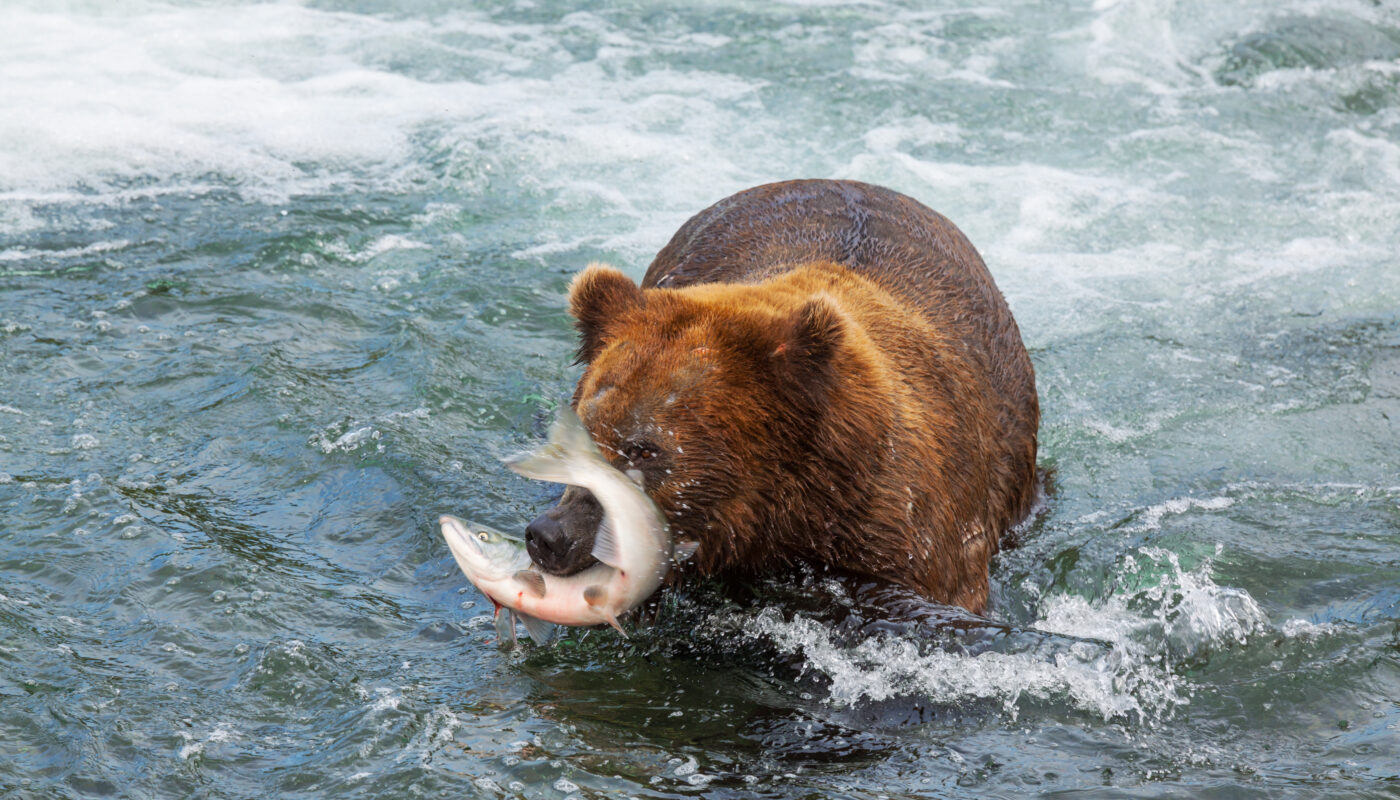
Yes, Norway has brown bears.
However, this does not mean that a traveler visiting popular Norwegian fjords should expect to see one.
Brown bears exist in Norway, but they are primarily associated with certain forested and mountainous areas rather than the main tourist fjord villages and heavily visited coastal routes.
Norway also has populations of other large carnivores, including wolves, wolverines, and lynx. Official Norwegian statistics continue to record these species as part of the country’s large-carnivore population.
For the average tourist visiting famous locations such as the Geirangerfjord, Nærøyfjord, Sognefjord, Hardangerfjord, or Lysefjord, the possibility of encountering a bear is extremely low.
Bears generally prefer to avoid people.
A busy tourist area filled with cars, ferries, hotels, hikers, and villages is not the type of environment where most visitors should expect a surprise bear encounter.
This does not mean that bears should be ignored completely when traveling into remote wilderness.
If you plan to camp or hike far away from populated areas, it is wise to research the specific region before departure.
But for ordinary fjord sightseeing, bear encounters are not usually a major concern.
Are Norwegian Brown Bears Dangerous?
A brown bear is obviously a powerful wild animal and should always be treated with respect.
However, the existence of bears does not mean that every trip into nature is dangerous.
Wild animals usually do not want unnecessary contact with humans.
The safest approach is prevention.
If hiking in an area where bears are known to exist:
- Stay aware of your surroundings.
- Avoid approaching or following wildlife.
- Do not leave food lying around.
- Keep a respectful distance.
- Follow local advice and trail guidance.
- Avoid surprising an animal at close range.
Never attempt to feed or photograph a wild bear from an unsafe distance.
A bear may look calm from far away, but wildlife behavior can change quickly.
The goal is not to panic about bears.
The goal is to understand that they are wild animals and should be given space.
What About Wolves in Fjord Areas?
Norway has wolves, but they are extremely unlikely to be a problem for ordinary fjord travelers.
Wolves are elusive animals, and seeing one in the wild is rare.
The idea of wolves often creates fear because of stories and popular culture. In reality, most travelers exploring Norway’s famous fjord routes will never encounter one.
Official Norwegian wildlife statistics include wolves among the country’s monitored large carnivores, but their presence does not mean they are commonly found around tourist hotels or fjord viewpoints.
If you see a wild animal from a safe distance, enjoy the moment but do not approach it.
The same rule applies whether the animal is a wolf, lynx, fox, deer, or other species.
Wildlife should be observed rather than treated as entertainment.
Wolverines and Lynx: Rare but Fascinating
Norway is also home to wolverines and lynx.
Both animals are powerful predators, but encounters with ordinary tourists are extremely uncommon.
Lynx are secretive and tend to avoid people.
Wolverines also live primarily in remote environments and are not animals that most visitors will encounter during a typical fjord holiday.
For most travelers, the greater challenge will be spotting these animals at all.
Norwegian official statistics continue to track bears, wolves, wolverines, and lynx as large carnivores.
Their presence is important from a wildlife and conservation perspective, but visitors should not assume that a trip to the fjords is similar to entering a safari park.
Fjord regions may contain wilderness, but wildlife encounters are often rare and unpredictable.
Moose: Large, Common, and Sometimes More Dangerous Than Predators
One animal that travelers may be more likely to encounter in Scandinavian landscapes is the moose.
Moose are not predators, but they can be dangerous.
Their size is often underestimated by visitors.
A large moose can weigh hundreds of kilograms and can become defensive if it feels threatened, especially when protecting a calf.
Road accidents are also an important concern in areas where large animals cross roads.
If you see a moose:
- Keep your distance.
- Do not attempt to feed it.
- Never approach a calf.
- Be especially cautious if an adult is nearby.
- Slow down when driving through areas with wildlife warning signs.
The same basic rule applies to all large animals:
Admire them without trying to get closer.
It is never worth putting someone at danger for a picture.
Are There Dangerous Snakes in Norwegian Fjord Regions?
Norway has one native venomous snake: the European adder.
However, snake encounters are generally not a major concern for fjord tourists.
Adders are usually shy and prefer to avoid people.
Most snake bites occur when people accidentally step on or attempt to handle a snake.
When hiking:
- Watch where you place your hands and feet.
- Wear suitable footwear.
- Do not touch unidentified animals.
- Leave snakes alone if you see one.
For the majority of visitors, slippery rocks and changing weather are much more likely hazards than snakes.
What About Dangerous Marine Animals in Norwegian Fjords?
The water is often more important to consider than the animals living in it.
Norwegian fjords can contain marine life such as:
- Seals
- Porpoises
- Dolphins
- Whales in some coastal areas
- Fish
- Jellyfish
These animals are usually exciting to observe rather than dangerous.
However, seals and other marine animals should never be approached too closely.
Wild animals can bite or behave defensively if they feel threatened.
The greater risk for visitors is usually the environment itself.
Cold water can be dangerous, particularly if someone falls from a boat, kayak, or paddleboard.
Strong currents, waves, changing weather, and cold-water shock can create serious risks even when the water looks calm.
In other words, during a fjord kayaking trip, you are usually more likely to face danger from cold water and weather than from a large marine predator.
Are There Bears in New Zealand’s Fjords?
No.
This is one of the biggest differences between New Zealand and northern fjord countries.
New Zealand has no native bears, wolves, snakes, or large native land predators that visitors would normally associate with dangerous wilderness.
This makes famous locations such as Milford Sound and Doubtful Sound relatively different from fjord destinations in northern Europe or North America.
New Zealand’s wildlife is unique because the country evolved for millions of years without native land mammals dominating its ecosystems in the same way they do elsewhere.
The Department of Conservation explains that many introduced animals—including deer, tahr, chamois, goats, and pigs—are managed under separate wildlife legislation.
Some of these animals may live in wilderness areas, but they are generally not a major threat to ordinary visitors.
Therefore, travelers exploring Fiordland usually do not need to worry about encountering a bear on a hiking trail.
Are There Dangerous Animals in New Zealand’s Fiordland?
Although New Zealand does not have bears or dangerous native snakes, visitors should still respect wildlife.
The Department of Conservation advises people to keep their distance from native animals, including seals, dolphins, and whales. Marine animals can react defensively if they feel threatened or if they are protecting their young.
Seals are particularly important to mention.
They may look relaxed and harmless while lying on rocks or beaches, but they are wild animals with teeth and can bite if approached.
Visitors should not:
- Try to touch them.
- Block their path to the sea.
- Approach pups.
- Attempt to take close selfies.
A safe wildlife experience means allowing animals to behave naturally.
Sandflies: The Small Creatures Travelers Remember
In New Zealand’s Fiordland, one of the most annoying creatures is not a large predator.
It is the sandfly.
Sandflies are tiny biting insects that can be especially common in wet and forested environments.
Their bites are generally more irritating than dangerous, but they can make an outdoor trip uncomfortable.
Travelers may want to use:
- Insect repellent
- Long sleeves
- Long trousers
- Window screens where available
For many visitors to Fiordland, sandflies are far more memorable than any dangerous animal.
This is an important reminder that wildlife risks do not always come from large, dramatic creatures.
Sometimes the smallest animals cause the most frustration.
Fjord Wildlife in Other Parts of the World
Fjords are found in several countries, including:
- Norway
- New Zealand
- Iceland
- Greenland
- Canada
- Chile
- Alaska
Wildlife risks vary dramatically.
Alaska and Canada
Some fjord environments in Alaska and Canada are located in bear country.
Both black bears and brown bears may inhabit forests and coastal areas.
In these regions, hikers and campers need to take wildlife safety more seriously.
Food storage, awareness, local regulations, and bear-safety procedures can be important.
A traveler should never assume that all fjord regions have the same wildlife conditions.
A Norwegian fjord holiday and an Alaskan wilderness expedition require very different preparation.
Iceland
Iceland does not have native bears or large wild predators.
Travelers are more likely to face environmental challenges such as rapidly changing weather, strong winds, rough terrain, and coastal conditions.
The Arctic fox is Iceland’s only native land mammal, but it does not represent a major danger to tourists.
Chilean Fjords
Southern Chile has large areas of remote wilderness.
Pumas exist in parts of Patagonia, although encounters with travelers are uncommon.
The region’s remoteness, weather, and terrain are generally more significant practical concerns than wildlife attacks.
The Real Dangers in Fjord Regions
When travelers imagine fjords, they often think about bears, wolves, and mysterious animals.
In reality, the most serious risks are usually environmental.
1. Rapidly Changing Weather
Mountain weather can change quickly.
A sunny morning may become cold, rainy, or windy within hours.
Always carry appropriate clothing.
2. Slippery Hiking Trails
Rain can make rocks, roots, and wooden surfaces extremely slippery.
Good footwear is essential.
3. Steep Cliffs
Many fjord viewpoints involve significant drops.
Stay on marked trails and avoid stepping beyond safety barriers.
4. Falling Rocks
Mountain environments can experience rockfall.
Pay attention to warning signs and avoid restricted areas.
5. Cold Water
Falling into cold fjord water can be extremely dangerous.
Wear appropriate safety equipment when kayaking or participating in water activities.
6. Avalanches and Snow
During colder months, snow-covered mountain areas may present avalanche risks.
Follow local warnings and avoid entering dangerous terrain without appropriate knowledge.
These risks are generally far more relevant to ordinary travelers than attacks by bears or wolves.
How to Stay Safe Around Wildlife
The best wildlife safety strategy is surprisingly simple:
Keep Your Distance
Do not approach animals for photographs.
Use a camera zoom instead.
Never Feed Wildlife
Feeding animals can change their natural behavior and create problems for both wildlife and humans.
Stay Calm
If you unexpectedly encounter a large animal, do not panic or run toward it.
Follow local wildlife guidance for the region you are visiting.
Protect Food When Necessary
In regions with bears or other animals attracted to food, follow official food-storage rules.
Check Local Information
Before beginning a remote hike, check with:
- National park authorities
- Visitor centers
- Local guides
- Official tourism information
Conditions can vary from one area to another.
Should You Be Afraid of Animals During a Fjord Trip?
For most visitors, the answer is no.
You should be aware, respectful, and prepared—but not afraid.
In popular Norwegian fjord destinations, bear encounters are very unlikely. Large predators exist in Norway, but they are not something the average fjord tourist is likely to meet.
In New Zealand’s famous Fiordland, bears and native snakes are not part of the wildlife landscape. Instead, travelers are more likely to deal with sandflies, changing weather, and challenging terrain.
In Alaska and some Canadian fjord regions, bears are a more realistic consideration, particularly for hikers and campers entering remote wilderness.
The important lesson is that fjord safety depends on the specific country and region.
Do not prepare for an Alaskan fjord trip in the same way you would prepare for Milford Sound.
Final Thoughts
Fjord regions are home to extraordinary wildlife, but dangerous animals are often less of a concern than travelers expect.
Norway has brown bears, wolves, lynx, and wolverines, yet encounters with these animals are rare for visitors following popular fjord routes. Official statistics confirm that these large carnivores remain part of Norway’s wildlife landscape, but their presence should not cause ordinary tourists to expect regular encounters.
New Zealand’s Fiordland offers an entirely different experience. There are no bears or native snakes to worry about, although visitors should respect seals and other marine wildlife and be prepared for biting sandflies. New Zealand’s Department of Conservation specifically advises visitors to keep their distance from wildlife, including seals and marine mammals, because animals may react defensively when threatened.
Other fjord regions, particularly Alaska and parts of Canada, require greater awareness of bears and wilderness safety.
Ultimately, the best approach is to research your specific destination before traveling.
For most people, the biggest dangers in fjord regions are not animals hiding behind trees.
They are cold water, unpredictable weather, steep mountains, slippery trails, and poor preparation.
Respect wildlife, follow local safety advice, carry suitable equipment, and avoid taking unnecessary risks.
With sensible preparation, fjord regions can be explored safely while still offering unforgettable encounters with some of the world’s most beautiful landscapes and wildlife.