 by
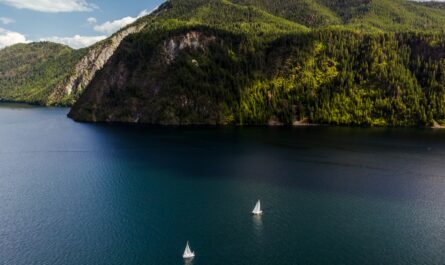
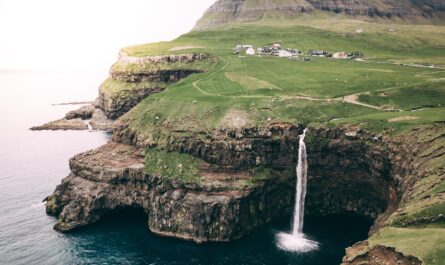
by Fjords are among the most breathtaking natural landscapes in the world. Towering cliffs, crystal-clear waters, dramatic waterfalls, and peaceful inlets attract millions of visitors each year to destinations such as Norway, Iceland, New Zealand, Chile, Canada, and Greenland. Their calm surfaces often look inviting, especially on sunny summer days, leading many travelers to wonder: Can you actually swim in a fjord?
The simple answer is yes, you can swim in many fjords, but whether you should depends on several important factors. Unlike tropical beaches or warm lakes, fjords are unique marine environments shaped by glaciers over thousands of years. Their water temperatures are often much colder than visitors expect, even during the warmest months of the year. In addition, depth, currents, tides, weather, and freshwater inflows all influence swimming conditions.
Understanding how fjords work and knowing what to expect before entering the water is essential for staying safe while enjoying these spectacular natural settings. This guide explains why fjords are cold, how water temperatures change throughout the year, where swimming is safest, and how to prepare for a refreshing—but sometimes challenging—experience.
What Is a Fjord?
A fjord is a long, narrow inlet of the sea surrounded by steep cliffs or mountains. Most fjords were carved by glaciers during the last Ice Age.
As glaciers moved slowly through valleys, they eroded enormous amounts of rock, creating deep U-shaped channels. When the glaciers melted, rising sea levels flooded these valleys, forming today’s fjords.
Many fjords are:
- Hundreds of meters deep
- Several kilometers long
- Connected directly to the ocean
- Fed by rivers, waterfalls, and melting glaciers
These characteristics play a major role in determining water temperature.
Can You Swim in a Fjord?
Yes, swimming is possible in many fjords around the world.
People regularly swim in fjords for:
- Recreation
- Open-water swimming events
- Kayaking breaks
- Cold-water therapy
- Adventure tourism
- Triathlons
However, fjord swimming differs significantly from swimming in lakes or warm coastal waters.
The biggest difference is temperature.
Why Are Fjords So Cold?
Several natural factors keep fjord water surprisingly cold.
Glacier Meltwater
Many fjords receive water directly from glaciers.
Glacial meltwater is only slightly above freezing when it enters the fjord.
Even during summer, this cold water lowers overall temperatures.
Great Depth
Some fjords exceed 1,000 meters (3,280 feet) in depth.
Cold water naturally sinks, while warmer surface water remains above it.
Because fjords are extremely deep, they retain cold water year-round.
Ocean Water Exchange
Most fjords are connected to the sea.
Cold ocean water regularly flows into fjords, helping maintain relatively low temperatures.
Limited Surface Heating
Although summer sunshine warms the surface, only the upper layer of water experiences significant heating.
Below this thin layer, temperatures remain much colder.
Typical Fjord Water Temperatures
While temperatures vary by location, season, and weather, the following ranges are common.
Winter
Water temperatures:
2°C to 6°C (36°F to 43°F)
Swimming is generally recommended only for experienced cold-water swimmers using appropriate safety precautions.
Spring
Water temperatures:
4°C to 9°C (39°F to 48°F)
Snowmelt often keeps water particularly cold.
Summer
Water temperatures:
10°C to 18°C (50°F to 64°F)
Some sheltered fjords may briefly exceed 18°C during exceptionally warm periods.
Most swimmers still find the water refreshingly cold.
Autumn
Water temperatures:
8°C to 15°C (46°F to 59°F)
The water usually remains warmer than the air during early autumn because it cools more slowly.
Norway’s Fjords
Norway contains some of the world’s most famous fjords.
Popular swimming locations include:
- Geirangerfjord
- Hardangerfjord
- Sognefjord
- Lysefjord
Summer temperatures generally range between:
12°C and 18°C
Shallow beaches sometimes become slightly warmer.
Iceland’s Fjords
Icelandic fjords remain considerably colder.
Typical summer temperatures:
8°C to 12°C
Many visitors prefer geothermal pools rather than prolonged swimming in the sea.
New Zealand’s Fiords
The famous fiords of New Zealand’s South Island, including Milford Sound and Doubtful Sound, experience cool water throughout the year.
Summer temperatures often range from:
11°C to 15°C
Heavy rainfall and freshwater runoff influence surface temperatures.
Chilean Fjords
Southern Chile contains an extensive network of fjords.
Water temperatures vary from:
8°C to 16°C
depending on latitude and season.
Canadian Fjords
British Columbia and Newfoundland feature beautiful fjord systems.
Summer temperatures typically range from:
10°C to 17°C
Conditions vary considerably between sheltered bays and open coastal areas.
Greenland’s Fjords
Greenland’s fjords remain among the coldest.
Water temperatures often remain below:
5°C (41°F)
for much of the year.
Swimming requires specialized preparation.
Freshwater Layers
An interesting feature of many fjords is the presence of freshwater near the surface.
Rivers and waterfalls contribute freshwater that floats above denser saltwater.
As a result, swimmers may notice:
- Slightly warmer surface water
- Sudden cold layers beneath
- Changing water temperatures while swimming
This phenomenon is known as water stratification.
Is Fjord Water Clean?
Generally, yes.
Many fjords have excellent water quality because of:
- Strong water circulation
- Low industrial pollution
- Protected natural environments
- Constant freshwater inflow
However, local conditions vary.
Always check local swimming advisories before entering the water.
Is Swimming Safe?
Swimming is generally safe in designated areas.
However, swimmers should consider several hazards.
Cold Water Shock
One of the greatest risks is cold water shock.
Sudden immersion may cause:
- Rapid breathing
- Increased heart rate
- Muscle stiffness
- Panic
- Reduced swimming ability
Entering slowly helps your body adjust.
Hypothermia
Extended exposure to cold water lowers body temperature.
Symptoms include:
- Shivering
- Slurred speech
- Fatigue
- Confusion
- Loss of coordination
Leave the water immediately if these symptoms develop.
Strong Currents
Although many fjords appear calm, underwater currents may exist.
Currents can result from:
- Tides
- River inflow
- Wind
- Narrow channels
Never assume calm water means safe water.
Boat Traffic
Many fjords host:
- Ferries
- Cruise ships
- Fishing boats
- Kayaks
Always remain visible and avoid swimming near navigation routes.
Wildlife
Marine wildlife is generally not dangerous.
Possible encounters include:
- Fish
- Seals
- Dolphins
- Sea birds
In some regions, jellyfish may occasionally appear.
Learn about local wildlife before swimming.
Best Time to Swim
The warmest conditions usually occur between:
- Late June
- July
- August
- Early September
Water temperatures reach their annual maximum during this period.
Sunny afternoons are typically warmer than mornings.
Preparing for a Fjord Swim
Bring appropriate equipment.
Useful items include:
- Swimsuit
- Towel
- Warm clothing
- Waterproof sandals
- Dry bag
- Thermos with a warm drink
For longer swims:
- Wetsuit
- Swim cap
- Goggles
Should You Wear a Wetsuit?
For most visitors, yes.
A wetsuit provides:
- Thermal insulation
- Buoyancy
- Increased comfort
- Longer swimming time
Open-water swimmers often use wetsuits unless participating in specialized cold-water events.
Cold-Water Swimming Benefits
Many people enjoy cold-water swimming because it may promote:
- Increased alertness
- Improved mood
- Stress reduction
- Enhanced circulation
- Mental resilience
However, these benefits should never outweigh safety considerations.
Swimming with Children
Children lose body heat faster than adults.
Recommendations include:
- Short swimming sessions
- Constant supervision
- Warm towels available immediately afterward
- Avoid very cold conditions
Choose shallow, sheltered beaches whenever possible.
Open-Water Swimming Events
Several fjord regions host organized swimming competitions.
Participants benefit from:
- Safety boats
- Medical support
- Clearly marked routes
- Professional organization
These events provide safer opportunities to experience fjord swimming.
Combining Swimming with Other Activities
Many travelers enjoy combining swimming with:
- Hiking
- Kayaking
- Paddleboarding
- Camping
- Fjord cruises
A brief swim after a mountain hike can be an unforgettable experience.
Environmental Responsibility
Help preserve fjord ecosystems by:
- Avoiding littering
- Using reef-safe sunscreen where appropriate
- Respecting wildlife
- Staying on designated access paths
- Following local regulations
Responsible recreation protects these fragile environments.
Common Mistakes to Avoid
Many first-time swimmers underestimate fjord conditions.
Avoid:
- Jumping into unknown water
- Swimming alone
- Ignoring weather forecasts
- Overestimating swimming ability
- Staying in cold water too long
- Entering shipping lanes
Preparation greatly improves safety.
Tips for First-Time Fjord Swimmers
If you’re new to fjord swimming:
- Start with a short swim.
- Choose calm weather.
- Enter slowly.
- Stay close to shore.
- Swim with a companion.
- Warm up immediately afterward.
Taking these precautions makes the experience much more enjoyable.
Why Fjord Swimming Is So Memorable
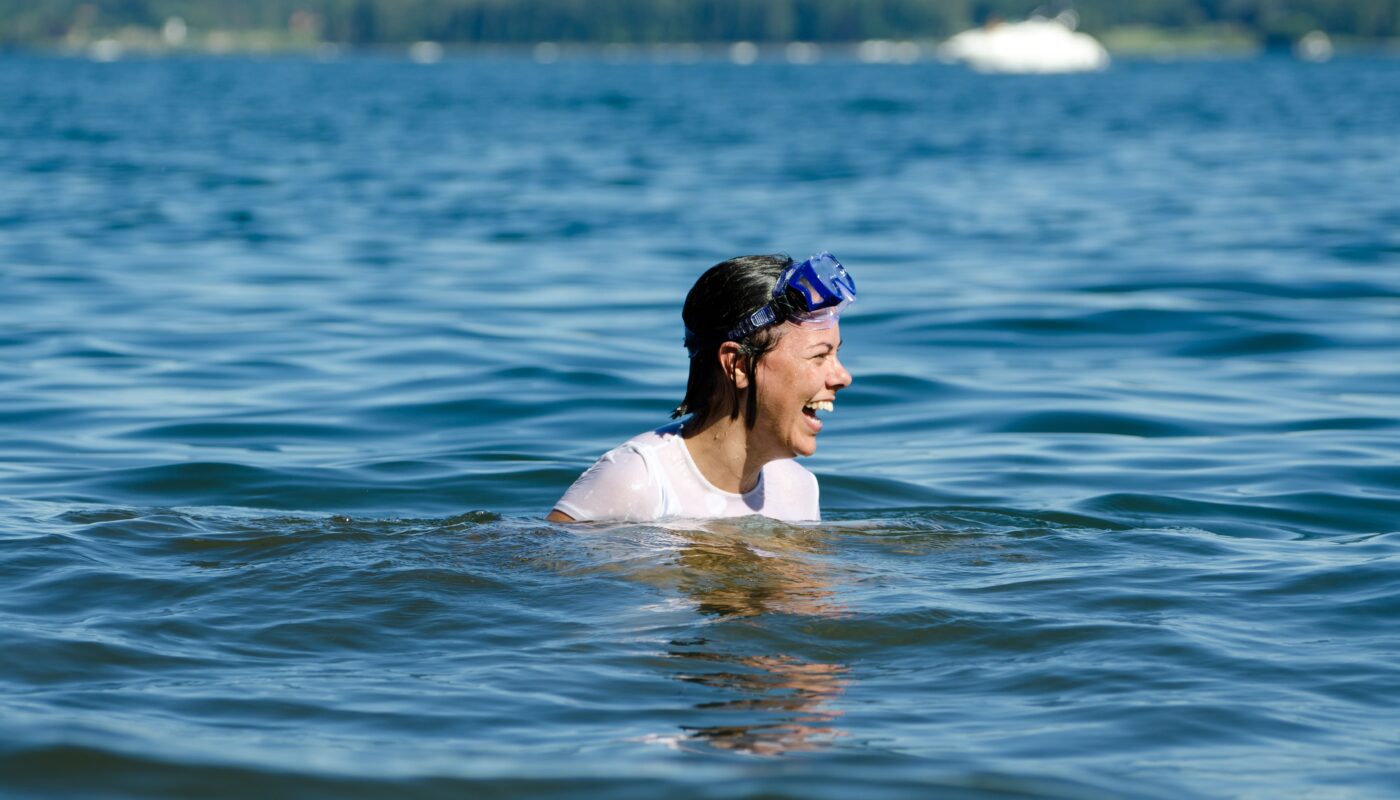
Swimming in a fjord is unlike swimming almost anywhere else. The combination of towering mountains, pristine water, cascading waterfalls, and fresh mountain air creates an unforgettable setting. While the water is often chilly, many visitors describe the sensation as invigorating rather than uncomfortable, especially during warm summer days.
The unique geological history of fjords also adds to the experience. Floating in a landscape carved by glaciers thousands of years ago offers a rare opportunity to connect with nature in one of its most dramatic forms. Whether you swim for adventure, relaxation, photography, or the simple joy of experiencing something different, a fjord swim is often one of the highlights of a trip.
Conclusion
Yes, you can swim in fjords, and for many travelers, it becomes one of the most memorable parts of visiting these spectacular landscapes. However, fjord swimming requires a different mindset than swimming in warm oceans or lakes. Cold water, changing weather, deep marine environments, and occasional currents demand careful preparation and respect for local conditions.
Understanding seasonal water temperatures, wearing appropriate gear such as a wetsuit when necessary, choosing safe swimming locations, and avoiding common mistakes can help ensure a rewarding experience. Summer generally offers the most comfortable conditions, although even then the water remains refreshingly cool compared to many coastal destinations.
Whether you are taking a quick dip after a scenic hike, participating in an organized open-water event, or simply enjoying the peaceful surroundings from the shoreline, fjords offer an extraordinary setting for outdoor recreation. By swimming responsibly and respecting these remarkable environments, you can safely experience one of nature’s most unique and unforgettable adventures while helping preserve these glacier-carved wonders for future generations.