by
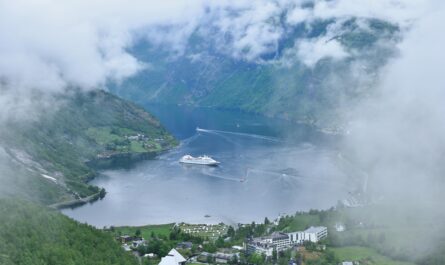
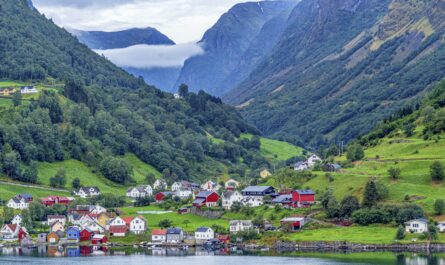
by The world’s fjords are renowned for their breathtaking scenery—towering cliffs, cascading waterfalls, glacier-fed rivers, emerald valleys, and tranquil waters that reflect dramatic mountain landscapes. Whether you’re cruising through Norway’s UNESCO-listed fjords, kayaking in New Zealand’s Fiordland, hiking along Iceland’s rugged coastline, or exploring the glacier-carved inlets of Chile and Canada, one thing remains constant: the weather can change quickly.
Unlike many travel destinations where seasonal clothing is relatively straightforward, fjord regions are influenced by coastal weather systems, mountainous terrain, and rapidly shifting conditions. A sunny morning can turn into a rainy afternoon, while warm valleys may give way to chilly mountain viewpoints just a few hundred meters higher in elevation. Dressing appropriately is essential not only for comfort but also for safety during outdoor adventures.
This month-by-month guide explains what to wear in fjord destinations throughout the year, helping you pack efficiently and stay prepared for changing conditions. While the examples focus primarily on Norway—the world’s most iconic fjord destination—the advice also applies to many other temperate fjord regions with similar climates.
Why Fjord Weather Is So Unpredictable
Fjord climates are shaped by several natural factors that create rapidly changing conditions.
These include:
- Cold water from deep fjords
- Nearby glaciers
- High mountain ranges
- Ocean winds
- Frequent rainfall
- Elevation changes
As a result, temperatures and weather can vary dramatically within a single day or even over a short distance.
Layering your clothing is the key to staying comfortable.
The Importance of Layering
Instead of relying on one heavy jacket, experienced travelers use a layering system consisting of three main parts.
Base Layer
The base layer sits next to your skin and manages moisture.
Recommended materials:
- Merino wool
- Synthetic performance fabrics
Cotton absorbs moisture and dries slowly, so stay away from it.
Mid Layer
The mid layer provides insulation.
Popular options include:
- Fleece jackets
- Lightweight down jackets
- Synthetic insulated jackets
- Wool sweaters
Outer Layer
The outer layer protects against:
- Rain
- Wind
- Snow
Choose a waterproof and breathable jacket whenever possible.
January: Winter Wonderland
January transforms fjord regions into snowy landscapes with frozen waterfalls, snow-covered mountains, and long winter nights.
Typical Conditions
- Cold temperatures
- Snowfall
- Ice
- Strong winds
- Short daylight hours
Recommended Clothing
- Thermal base layers
- Heavy insulated jacket
- Waterproof winter coat
- Insulated snow pants (for outdoor activities)
- Warm hat
- Waterproof gloves
- Wool socks
- Waterproof winter boots with good traction
- Neck gaiter or scarf
If you plan to join Northern Lights tours or winter hikes, dressing warmly is essential.
February: Deep Winter Adventures
February remains one of the coldest months, although daylight gradually increases.
Pack
- Thermal underwear
- Down jacket
- Waterproof shell
- Warm fleece
- Insulated boots
- Thick wool socks
- Windproof gloves
- Beanie
Microspikes may be useful for icy trails.
March: The Transition Begins
March brings slightly milder temperatures while winter conditions continue in higher elevations.
Wear
- Long-sleeve thermal base layers
- Fleece jacket
- Waterproof shell
- Hiking pants
- Warm hat
- Gloves
- Waterproof hiking boots
Layering becomes increasingly important because afternoons can be noticeably warmer than mornings.
April: Spring Arrives
Spring introduces blooming valleys while mountains often remain snow-covered.
Weather may include:
- Sunshine
- Rain
- Wind
- Cool mornings
Clothing
- Moisture-wicking base layer
- Lightweight fleece
- Waterproof jacket
- Hiking trousers
- Light gloves
- Waterproof hiking shoes
Pack sunglasses because increasing sunlight reflects strongly from remaining snow.
May: Waterfall Season
May is one of the most spectacular months in the fjords.
Snowmelt creates:
- Powerful waterfalls
- Green valleys
- Longer daylight
Recommended Clothing
- Light base layers
- Fleece
- Rain jacket
- Waterproof hiking boots
- Convertible hiking pants
- Thin gloves
- Sun hat
Temperatures remain cool despite the beautiful scenery.
June: Early Summer
June offers comfortable hiking conditions with extended daylight.
However, mountain weather remains unpredictable.
Pack
- Short-sleeve shirts
- Long-sleeve hiking shirt
- Light fleece
- Waterproof jacket
- Hiking pants
- Shorts for warm afternoons
- Hiking boots
- Sun hat
- Sunglasses
Always carry an extra warm layer for higher elevations.
July: Peak Summer
July is the warmest and busiest month in most fjord regions.
Even then, temperatures can vary greatly.
Clothing
- Breathable shirts
- Moisture-wicking T-shirts
- Lightweight hiking pants
- Shorts
- Waterproof rain jacket
- Fleece for evenings
- Comfortable hiking boots
Do not leave your rain jacket behind.
Rain showers can appear with little warning.
August: Mild and Comfortable
August remains excellent for outdoor activities.
Suggested Clothing
- T-shirts
- Long-sleeve hiking shirts
- Lightweight fleece
- Waterproof shell
- Hiking trousers
- Quick-drying shorts
Pack insect repellent for certain inland hiking areas.
September: Autumn Colors
September is a favorite month among photographers.
Advantages include:
- Fall foliage
- Smaller crowds
- Pleasant temperatures
Wear
- Merino wool base layer
- Fleece jacket
- Waterproof shell
- Hiking pants
- Warm socks
- Waterproof boots
- Thin gloves
Evenings become noticeably cooler.
October: Cooler Weather Returns
Autumn becomes more pronounced.
Weather can include:
- Rain
- Fog
- Frost
- Wind
Clothing
- Thermal shirt
- Fleece
- Insulated jacket
- Waterproof coat
- Hiking boots
- Warm hat
Mountain areas may receive early snowfall.
November: Preparing for Winter
November often feels like early winter.
Essential Items
- Thermal layers
- Insulated jacket
- Waterproof shell
- Winter boots
- Wool socks
- Gloves
- Hat
- Scarf
Reduced daylight means reflective clothing is beneficial during roadside walks.
December: Festive Winter
December offers beautiful snowy scenery and holiday charm.
Wear
- Heavy winter jacket
- Thermal underwear
- Waterproof boots
- Thick gloves
- Wool socks
- Warm hat
- Neck warmer
Layer carefully because indoor spaces are often well heated.
Clothing for Fjord Cruises
Boat trips can feel colder than nearby land because of wind exposure.
Bring:
- Waterproof jacket
- Windproof outer layer
- Warm fleece
- Comfortable trousers
- Hat
- Sunglasses
Even summer cruises may feel surprisingly chilly.
Clothing for Hiking
When hiking, prioritize functionality.
Recommended gear:
- Moisture-wicking shirts
- Hiking trousers
- Waterproof boots
- Hiking socks
- Rain jacket
- Sun protection
- Lightweight backpack
Steer clear of jeans because they get unpleasant and heavy when wet.
Glacier Excursions
Glacier tours often provide specialized equipment, but visitors should still wear:
- Warm base layers
- Waterproof trousers
- Hiking boots
- Gloves
- Sunglasses
- Warm jacket
Glacier environments remain cold even during summer.
Kayaking Adventures
Water temperatures in fjords remain cold year-round.
Wear:
- Quick-drying clothing
- Waterproof shell
- Thermal layers if necessary
- Water-resistant footwear
- Hat
- Sunglasses with retention strap
Many operators provide waterproof outerwear.
Choosing the Right Footwear
Footwear is one of the most important decisions.
Ideal choices include:
- Waterproof hiking boots
- Trail shoes with excellent grip
- Insulated winter boots (winter)
- Comfortable walking shoes for towns
Avoid smooth-soled shoes that become slippery on wet rocks.
Rain Gear Essentials
Rain is common throughout many fjord regions.
Carry:
- Waterproof jacket
- Waterproof pants
- Backpack rain cover
- Waterproof phone case
Quality rain gear often determines whether a rainy day remains enjoyable.
Accessories Worth Packing
Helpful accessories include:
- Sunglasses
- Sunscreen
- Reusable water bottle
- Trekking poles
- Camera rain cover
- Lightweight daypack
- Dry bags
These items improve both comfort and convenience.
Fabrics to Choose
The best travel fabrics include:
- Merino wool
- Polyester performance fabrics
- Nylon
- Fleece
- Gore-Tex or similar waterproof materials
These materials dry quickly and perform well in changing weather.
Fabrics to Avoid
Avoid relying heavily on:
- Cotton T-shirts
- Denim jeans
- Fashion sneakers
- Heavy wool coats (for active hiking)
These items retain moisture and become uncomfortable during outdoor activities.
Packing Tips
Pack versatile clothing that works in layers rather than bringing separate outfits for every possible condition.
A balanced packing list includes:
- 3–5 moisture-wicking shirts
- 2 hiking trousers
- 1 fleece jacket
- 1 waterproof shell
- 1 insulated jacket
- Hiking boots
- Casual shoes
- Warm accessories
This combination suits most fjord itineraries.
Sustainable Clothing Choices
Eco-conscious travelers can reduce their environmental impact by:
- Buying durable clothing
- Repairing gear instead of replacing it
- Choosing recycled fabrics
- Supporting ethical outdoor brands
- Washing clothing less frequently while traveling
Sustainable equipment often lasts longer and performs better.
Common Packing Mistakes
Avoid these frequent errors:
- Bringing only cotton clothing
- Forgetting waterproof layers
- Wearing brand-new hiking boots without breaking them in
- Underestimating wind on boat trips
- Packing too many heavy items
Packing smart is more important than packing a lot.
Final Thoughts
The fjords offer some of the world’s most spectacular landscapes, but their ever-changing weather demands thoughtful preparation. From snow-covered mountains in January to sunlit waterfalls in May and colorful autumn valleys in September, each season brings unique conditions that influence what you should wear.
The most effective strategy is to dress in layers, combining moisture-wicking base layers, insulating mid layers, and waterproof outer shells. This flexible approach allows you to adapt quickly to shifting temperatures, rain showers, mountain winds, and varying activity levels. Investing in quality waterproof footwear, breathable fabrics, and reliable rain gear will greatly enhance your comfort whether you’re hiking, cruising, kayaking, or simply exploring charming fjord villages.
Packing wisely not only improves your travel experience but also contributes to your safety in these dynamic environments. By understanding seasonal weather patterns and choosing practical, versatile clothing, you’ll be well prepared to enjoy every aspect of your fjord adventure. With the right gear and a spirit of exploration, you can focus less on the forecast and more on creating unforgettable memories in one of the most beautiful regions on Earth.