 by
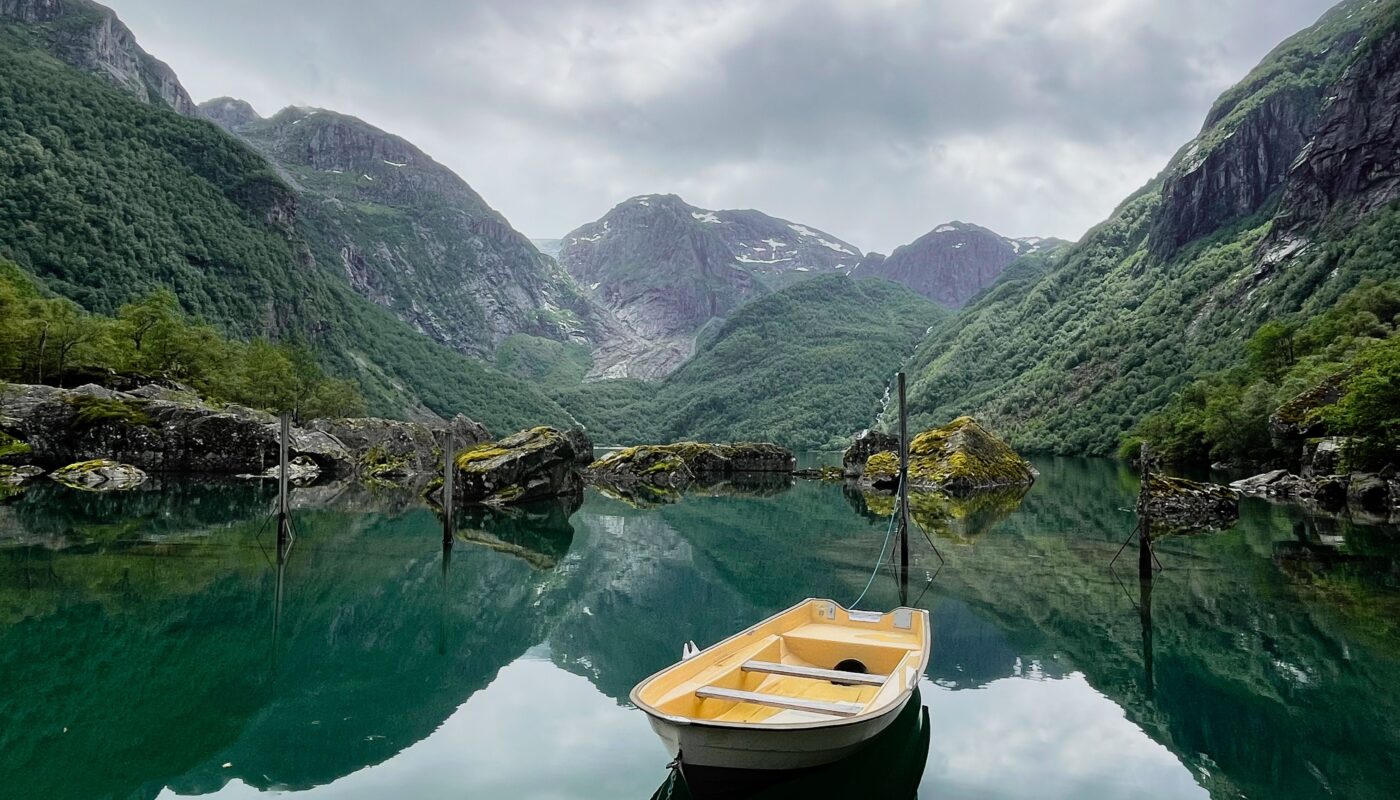
by Fjord landscapes are among the most breathtaking destinations on Earth. Towering cliffs, crystal-clear waters, dense forests, rugged mountain trails, and cascading waterfalls create unforgettable adventures for hikers, campers, photographers, and nature lovers. Whether you’re exploring the dramatic fjords of Norway, the remote sounds of New Zealand, the rugged coastlines of Iceland, or the glacier-carved inlets of Chile and Canada, the wilderness offers unmatched beauty and tranquility.
However, these same landscapes can also present serious challenges. An nice trip can soon become stressful if you lose your way due to rapidly changing weather, steep terrain, limited mobile coverage, deep fog, and lonely routes. Every year, search and rescue teams assist hikers who become disoriented in fjord regions, often because they underestimated the environment or strayed from marked paths.
Getting lost in the wilderness can be frightening, but panic is often the greatest danger. Knowing how to respond calmly, think clearly, and use practical survival strategies can dramatically improve your chances of staying safe until you either find your way or are located by rescuers.
This guide explains what to do if you become lost in fjord wilderness, how to avoid common mistakes, and how to prepare before your adventure begins.
Why Fjord Wilderness Can Be Challenging
Fjord regions are shaped by ancient glaciers, creating landscapes unlike almost anywhere else on Earth. While stunning, they can also be difficult to navigate.
Common challenges include:
- Steep mountains
- Deep valleys
- Dense forests
- Rocky terrain
- Fast-flowing rivers
- Sudden weather changes
- Limited road access
- Remote hiking trails
These natural features can make orientation difficult, even for experienced hikers.
Stay Calm Above All Else
Maintaining composure is the first and most crucial step.
Fear often causes people to make poor decisions, such as running downhill, abandoning trails, or continuing deeper into unfamiliar terrain.
Instead:
- Stop walking.
- Take several slow breaths.
- Drink some water.
- Assess your surroundings.
A calm mind is far more effective at solving problems than a panicked one.
Follow the S.T.O.P. Principle
Many wilderness survival experts recommend the S.T.O.P. method.
Stop
The moment you realize you may be lost, stop moving.
Continuing without a plan often makes rescue more difficult.
Think
Ask yourself:
- Where were you last certain of your location?
- Did you leave the marked trail?
- When did you last see a trail marker?
- How much daylight remains?
Thinking carefully helps prevent impulsive decisions.
Observe
Carefully examine your surroundings.
Look for:
- Trail signs
- Footprints
- Rivers
- Distinctive landmarks
- Mountain peaks
- Buildings
- Power lines
Also check your map, GPS device, or compass if you have them.
Plan
Once you’ve gathered information, make a deliberate plan rather than wandering randomly.
Avoid Wandering Aimlessly
One of the biggest mistakes lost hikers make is continuing to walk without knowing where they are going.
Random movement can lead to:
- Cliffs
- Dangerous river crossings
- Dense forest
- Injury
- Greater distance from rescuers
Unless you are confident you know the correct direction, staying in one location is often the safest option.
Retrace Your Steps—Only If It’s Safe
If you are certain you recently left a marked trail and conditions are safe, carefully retrace your steps.
Look for:
- Boot prints
- Broken branches
- Trail markers
- Familiar rocks
- Stream crossings
Do not attempt this if visibility is poor or the terrain is hazardous.
Use Navigation Tools
Modern navigation devices greatly improve your chances of finding the correct route.
Useful tools include:
- Topographic maps
- Compass
- GPS device
- Offline smartphone maps
- Satellite communicator
Remember that mobile phone signals are often unavailable in remote fjord regions.
Downloading offline maps before your trip is highly recommended.
Stay on Higher Ground When Appropriate
If the terrain allows and it is safe to do so, moving to a nearby open area or ridge may help you:
- Improve visibility
- Spot trails
- Identify landmarks
- Receive mobile signal
- Be seen by rescue teams
However, avoid climbing dangerous cliffs or unstable slopes.
Be Careful Around Water
Fjord wilderness contains countless rivers, waterfalls, and streams.
Although following water downstream sometimes leads to settlements, it also presents serious hazards.
Never attempt to cross:
- Fast-flowing rivers
- Deep streams
- Waterfalls
- Flooded valleys
Cold water can quickly cause hypothermia even during summer.
Make Yourself Easy to Find
If you believe rescuers may be searching, increase your visibility.
Methods include:
- Wearing bright clothing
- Placing colorful gear in open areas
- Creating ground markers
- Using emergency blankets
- Flashing a mirror
- Blowing a whistle
A whistle carries much farther than shouting and conserves energy.
Three whistle blasts are widely recognized as a distress signal.
Conserve Your Energy
Excessive movement wastes valuable energy.
Instead:
- Sit down when resting.
- Avoid unnecessary climbing.
- Eat small amounts of food.
- Drink water regularly.
Staying physically strong helps if you need to move later or spend the night outdoors.
Stay Warm
Mountain weather changes rapidly.
Even during summer, temperatures can drop unexpectedly.
Layer clothing if possible.
Protect yourself from:
- Wind
- Rain
- Wet clothing
- Cold ground
Hypothermia can develop surprisingly quickly in fjord environments.
Build Temporary Shelter
If rescue may take several hours or overnight, creating shelter becomes essential.
Simple shelter options include:
- Emergency bivy sack
- Lightweight tent
- Tarp
- Natural rock overhang (only if stable)
- Dense trees providing wind protection
Avoid camping beneath unstable cliffs where rockfalls may occur.
Find Safe Drinking Water
Dehydration reduces clear thinking and physical performance.
Mountain streams often provide clean water, especially near their source.
However, if possible:
- Filter water
- Boil water
- Use purification tablets
Avoid stagnant pools or water downstream from livestock.
Ration Food Sensibly
Most healthy adults can survive longer without food than without water.
Avoid eating everything immediately.
Instead:
- Eat small portions.
- Preserve emergency snacks.
- Maintain steady energy.
Do not consume unfamiliar wild plants or mushrooms.
Use Technology Wisely
Modern devices can significantly improve rescue chances.
Carry:
- Fully charged phone
- Portable power bank
- Satellite messenger
- Personal locator beacon (PLB)
If you have mobile coverage:
- Call emergency services.
- Send your GPS coordinates.
- Conserve battery afterward.
Switch your phone to low-power mode if necessary.
Leave Clues If You Must Move
If circumstances require moving from your location, leave obvious signs indicating your direction.
Examples include:
- Arrow made from rocks
- Notes in waterproof bags
- Branch markers
- Boot prints in soft ground
These clues assist search teams.
Weather Awareness
Fjord weather changes exceptionally quickly.
Conditions may shift from sunshine to heavy rain within minutes.
Pay attention to:
- Dark clouds
- Strong winds
- Fog
- Falling temperatures
Poor visibility increases navigation difficulty.
If dense fog develops, remaining in place may be safer than continuing.
Nightfall Changes Everything
Darkness dramatically increases risks.
Avoid traveling at night unless absolutely necessary.
Hazards include:
- Falls
- Losing remaining trail markers
- River accidents
- Getting further lost
Instead:
- Prepare shelter.
- Stay warm.
- Wait for daylight.
Understanding Search and Rescue
Search teams use multiple methods to locate missing hikers.
These include:
- Helicopters
- Drones
- Search dogs
- Ground teams
- GPS tracking
- Mobile phone data
Remaining near your last known location greatly improves search efficiency.
If You’re Hiking with Others
Stay together.
Splitting up often complicates rescue efforts.
Assign responsibilities:
- Navigation
- First aid
- Shelter
- Emergency communication
Keep everyone informed about decisions.
Preventing Panic
Fear naturally increases when people become lost.
To stay mentally focused:
- Take slow breaths.
- Drink water.
- Think logically.
- Focus on immediate priorities.
- Maintain hope.
Positive thinking supports better decision-making.
Common Mistakes to Avoid
Many wilderness emergencies become worse because of avoidable errors.
Avoid:
- Running downhill without direction
- Ignoring weather warnings
- Crossing dangerous rivers
- Leaving marked trails unnecessarily
- Overestimating your navigation skills
- Hiking without essential equipment
Preparation is always easier than rescue.
Essential Gear for Fjord Hiking
Before entering fjord wilderness, carry:
- Map
- Compass
- GPS device
- Fully charged phone
- Power bank
- Waterproof clothing
- Extra food
- Water bottle
- Water filter
- First-aid kit
- Headlamp
- Emergency blanket
- Whistle
- Multi-tool
- Fire-starting equipment
Even on short hikes, these items can prove invaluable.
Tell Someone Your Plans
One of the simplest safety precautions is informing someone about your itinerary.
Share:
- Planned route
- Departure time
- Expected return
- Emergency contact information
If you fail to return, rescuers have a much better starting point.
Respect Trail Closures
Closures often exist for good reasons, including:
- Landslides
- Flooding
- Avalanche risk
- Rockfall
- Wildlife protection
Ignoring warning signs increases both personal danger and rescue complexity.
Learn Basic Navigation Before Your Trip
Many people rely entirely on smartphone apps.
However, batteries fail, phones break, and signals disappear.
Learning to use:
- Maps
- Compass
- Terrain features
provides valuable backup skills.
Even basic navigation knowledge can prevent becoming lost.
Sustainable Wilderness Ethics
Protecting fjord environments also improves safety.
Follow Leave No Trace principles:
- Pack out rubbish.
- Stay on trails.
- Respect wildlife.
- Avoid damaging vegetation.
- Leave natural objects where they are.
Healthy ecosystems remain safer and more enjoyable for everyone.
What to Do After You Are Found
Once safely reunited with rescuers or back on a marked trail:
- Seek medical attention if necessary.
- Rehydrate.
- Replace lost equipment.
- Review what happened.
- Learn from the experience.
Reflecting on the situation helps prevent similar incidents in the future.
Conclusion
The fjord wilderness is one of the most awe-inspiring environments on Earth, offering dramatic cliffs, pristine forests, glacial rivers, and breathtaking mountain views. While these landscapes invite adventure and exploration, they also demand respect, preparation, and sound judgment. Becoming lost can happen to anyone, regardless of experience, but how you respond makes a significant difference.
Remaining calm, following the S.T.O.P. principle, conserving energy, using navigation tools wisely, staying visible, and avoiding unnecessary risks are the foundations of wilderness survival. Equally important is preparing before your journey by carrying essential safety equipment, checking weather forecasts, informing others of your plans, and understanding the terrain you will be exploring.
The best rescue is the one that never becomes necessary. Careful planning, responsible hiking practices, and respect for nature greatly reduce the likelihood of getting lost in the first place. However, if the unexpected happens, knowledge and preparation can turn a frightening situation into one that ends safely. By approaching fjord adventures with both curiosity and caution, you can confidently enjoy some of the world’s most spectacular wilderness while protecting yourself and preserving these remarkable landscapes for future generations.