by
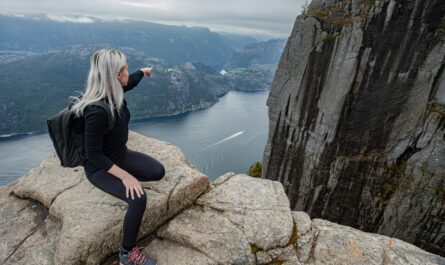
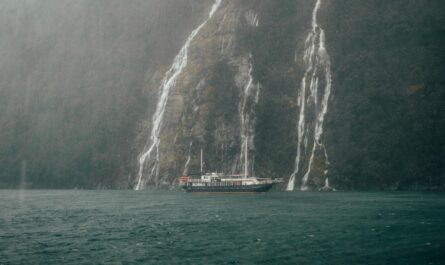
by Exploring the world’s breathtaking fjord regions is a dream for many travelers. Towering cliffs, cascading waterfalls, glacier-fed lakes, charming villages, and winding coastal roads create unforgettable landscapes that invite adventure. Whether you’re planning to drive through Norway’s famous fjords, discover Iceland’s dramatic coastlines, or explore New Zealand’s spectacular Milford Sound, one of the biggest decisions you’ll face is where to stay.
Should you rent a campervan and enjoy the freedom of life on the road, or should you book hotels and enjoy the comfort of traditional accommodation?
There is no universally correct answer. Both options offer unique advantages, and the better choice depends on your travel style, budget, itinerary, and expectations. Campervan travel provides flexibility and an immersive outdoor experience, while hotels offer convenience, privacy, and reliable comfort after a long day of exploring.
This comprehensive guide compares campervan travel and hotel stays across every major aspect—from cost and flexibility to comfort, weather, sustainability, and family travel—helping you choose the accommodation style that best suits your fjord adventure.
Why Your Accommodation Choice Matters
Unlike city vacations, fjord travel often involves covering long distances through remote mountain regions where accommodation options may be limited.
Your choice affects:
- Daily travel flexibility
- Budget
- Comfort
- Access to remote areas
- Packing requirements
- Dining options
- Overall travel experience
Since fjord destinations often include scenic drives, ferry crossings, and mountain hikes, your accommodation becomes an important part of the journey rather than simply a place to sleep.
Understanding Campervan Travel
A campervan combines transportation and accommodation into one vehicle.
Depending on the model, it may include:
- Sleeping area
- Small kitchen
- Refrigerator
- Dining table
- Heating system
- Storage compartments
- Toilet and shower (in larger models)
Many travelers enjoy the simplicity of waking up surrounded by nature without needing to pack and unpack every day.
Understanding Hotel Travel
Hotels range from budget guesthouses to luxury fjord resorts.
Accommodation options include:
- Boutique hotels
- Family-run inns
- Mountain lodges
- Waterfront resorts
- Cabins
- Bed-and-breakfasts
Hotels offer fixed locations with dedicated services and comfortable facilities.
Flexibility: Campervan Wins
One of the biggest advantages of campervan travel is freedom.
Advantages
With a campervan, you can:
- Change your itinerary easily
- Stay longer in favorite locations
- Stop at scenic viewpoints
- Adjust plans according to weather
- Visit less-touristy areas
If you discover a beautiful valley or hidden waterfall, you can often remain nearby instead of rushing to a hotel reservation.
This flexibility is particularly valuable in fjord regions where weather changes quickly.
Hotels Require Advance Planning
Hotels usually require reservations.
During peak summer season:
- Popular hotels sell out months ahead.
- Prices increase significantly.
- Last-minute availability may be limited.
While advance planning provides certainty, it also reduces spontaneity.
Comfort Comparison
Hotel Advantages
Hotels generally provide:
- Comfortable beds
- Private bathrooms
- Daily housekeeping
- Reliable heating
- Spacious rooms
- Laundry services
- Restaurants
After a demanding hike, returning to a warm shower and comfortable bed can feel luxurious.
Campervan Comfort
Modern campervans are increasingly comfortable, but space remains limited.
You may experience:
- Smaller sleeping areas
- Compact kitchens
- Limited storage
- Shared campground facilities (for basic models)
Comfort depends greatly on the size and quality of the vehicle.
Cost Comparison
Budget is often a deciding factor.
Campervan Expenses
Costs include:
- Rental fees
- Fuel
- Campground fees
- Ferry charges
- Insurance
- Food
- Parking
Although campervans combine accommodation and transportation, fuel consumption can be significant on mountainous roads.
Hotel Expenses
Hotel travelers pay for:
- Accommodation
- Rental car
- Fuel
- Meals
- Parking
Luxury fjord hotels can be expensive, especially during summer.
However, budget guesthouses can sometimes rival campground costs for couples or small families.
Cooking and Dining
Campervan Benefits
Having a small kitchen allows travelers to:
- Prepare breakfast
- Pack picnic lunches
- Cook dinner
- Reduce restaurant expenses
Cooking with mountain views can become part of the adventure.
Hotel Dining
Hotels offer convenience.
Guests may enjoy:
- Breakfast buffets
- Local seafood
- Regional specialties
- Room service
- Restaurant recommendations
Travelers who prefer not to cook often appreciate hotel dining options.
Access to Remote Locations
Campervans excel in reaching remote scenic areas.
You can easily explore:
- Quiet valleys
- Hidden beaches
- Scenic mountain roads
- Lesser-known viewpoints
Many campgrounds are located close to natural attractions.
Hotels are more commonly found near villages, towns, or established tourist areas.
Daily Routine
Campervan Lifestyle
Life in a campervan involves:
- Driving
- Cooking
- Cleaning
- Managing water supplies
- Emptying waste tanks (where applicable)
- Organizing limited space
Many travelers enjoy this self-sufficient lifestyle.
Others may find it tiring over longer trips.
Hotel Routine
Hotels simplify travel.
You can:
- Check in
- Relax
- Sleep
- Enjoy breakfast
- Continue your journey
There is little daily maintenance beyond packing your luggage.
Scenic Experience
One of the greatest joys of campervan travel is waking up surrounded by nature.
Imagine opening your door to:
- Snow-covered peaks
- Peaceful fjords
- Morning mist
- Waterfalls
- Quiet forests
Hotels also offer scenic views, particularly waterfront lodges, but these premium locations often come at a higher price.
Weather Considerations
Fjord weather changes rapidly.
Campervans
Advantages:
- Shelter available throughout the day
- Easy access to warm clothing
- Flexible itinerary during storms
Disadvantages:
- Limited indoor space
- Strong winds may affect driving
- Rain can make outdoor cooking less enjoyable
Hotels
Hotels provide:
- Dry indoor spaces
- Reliable heating
- Comfortable lounges
- Weather protection
Stormy days are often more relaxing in hotel accommodation.
Privacy
Hotels
Offer:
- Quiet rooms
- Private bathrooms
- Personal space
- Better sound insulation
Perfect for travelers seeking relaxation.
Campervans
Privacy depends on campground layout.
During busy seasons, campsites may become crowded.
However, many campgrounds maintain peaceful environments with excellent natural surroundings.
Parking and Driving
Driving through fjord regions requires confidence.
Mountain roads often feature:
- Hairpin turns
- Narrow lanes
- Ferry crossings
- Tunnels
Large campervans require additional care.
Rental cars used by hotel travelers are generally easier to park and maneuver.
Photography Opportunities
Campervan travelers enjoy exceptional flexibility.
You can stop whenever lighting becomes perfect.
Sunrise and sunset photography become much easier when sleeping near scenic viewpoints.
Hotel travelers may need to drive longer distances before reaching ideal photography locations.
Family Travel
Campervan
Families appreciate:
- Shared living space
- Flexible schedules
- Outdoor activities
- Reduced restaurant costs
However, space becomes limited with larger families.
Hotels
Families enjoy:
- Larger rooms
- Children’s facilities
- Swimming pools (some hotels)
- Comfortable beds
- Easier routines
Hotels may better suit travelers with young children.
Couples
Couples often enjoy either option.
Campervans create:
- Adventure
- Spontaneity
- Romantic sunsets
- Shared exploration
Hotels provide:
- Luxury
- Fine dining
- Spa experiences
- Relaxation
The choice depends on travel priorities.
Solo Travelers
Campervans offer independence but may feel isolating for some solo travelers.
Hotels provide opportunities to:
- Meet other guests
- Receive local recommendations
- Enjoy organized tours
Hostels and guesthouses can also be excellent alternatives for solo travelers.
Sustainability
Both travel styles have environmental impacts.
Campervans
Advantages:
- Combined transportation and accommodation
- Ability to cook locally sourced food
- Fewer daily transfers between hotels
Challenges:
- Higher fuel consumption than smaller cars
- Waste disposal responsibilities
- Need to follow designated camping regulations
Hotels
Many modern hotels now implement:
- Energy-efficient systems
- Recycling programs
- Water conservation measures
- Sustainable food sourcing
Choosing environmentally certified accommodations can reduce your travel footprint.
Safety
Campervans
Safety considerations include:
- Secure overnight parking
- Weather conditions
- Driving fatigue
- Proper campsite selection
Always stay in legal camping areas and monitor weather forecasts.
Hotels
Hotels generally provide:
- Secure buildings
- Reception services
- Emergency assistance
- Fire safety systems
For some travelers, these features provide additional peace of mind.
Best Choice for Different Travel Styles
Choose a Campervan If You:
- Love road trips.
- Enjoy flexibility.
- Prefer outdoor living.
- Want to photograph sunrise and sunset.
- Plan multiple scenic stops.
- Enjoy cooking.
- Appreciate spontaneous adventures.
Choose Hotels If You:
- Value comfort.
- Prefer private bathrooms.
- Enjoy restaurant dining.
- Want luxury experiences.
- Travel during poor weather seasons.
- Prefer structured itineraries.
Can You Combine Both?
Absolutely.
Many experienced fjord travelers combine both accommodation styles.
For example:
- Spend several nights in a campervan while exploring remote valleys.
- Finish the trip with two nights at a waterfront hotel.
- Alternate camping with boutique hotels during longer journeys.
This approach combines flexibility with comfort.
Practical Tips for Campervan Travelers
To make the most of your campervan adventure:
- Reserve popular campgrounds during peak season.
- Learn local camping regulations before arriving.
- Carry reusable water bottles and reusable kitchen supplies.
- Plan fuel stops in remote areas where service stations are less frequent.
- Drive cautiously on steep mountain roads and narrow tunnels.
- Keep warm clothing easily accessible, even during summer.
- Dispose of waste only at designated facilities.
- Respect quiet hours and Leave No Trace principles.
Practical Tips for Hotel Travelers
If you choose hotels, consider these suggestions:
- Book accommodations well in advance during summer.
- Stay in different villages to reduce daily driving distances.
- Select hotels with fjord or mountain views for a more memorable experience.
- Confirm parking availability if renting a car.
- Include flexible cancellation options in case weather affects your itinerary.
- Enjoy local breakfasts and regional cuisine to experience authentic culture.
Final Thoughts
The debate between campervan and hotel travel in fjord regions has no universal winner because each style offers a distinctly different way to experience some of the world’s most spectacular landscapes.
A campervan offers unmatched freedom, allowing you to wake beside dramatic mountains, chase perfect weather, and explore hidden valleys at your own pace. It is an excellent choice for adventurous travelers, photographers, outdoor enthusiasts, and anyone who enjoys flexibility and self-sufficient travel.
A hotel, on the other hand, provides dependable comfort, warm hospitality, private amenities, and a relaxing retreat after long days of hiking or sightseeing. It is particularly appealing for families with young children, couples seeking a romantic getaway, or travelers who value convenience and personalized service.
Ultimately, the best choice depends on your travel goals rather than the destination itself. If your priority is immersion in nature and spontaneous exploration, a campervan can transform the journey into part of the adventure. If you prefer comfort, predictable routines, and local hospitality, hotels offer an equally rewarding experience.
Many seasoned travelers discover that combining both options creates the perfect balance—embracing the freedom of the open road while also enjoying the comfort and relaxation of a welcoming hotel. No matter which style you choose, the majestic fjords, winding coastal roads, towering waterfalls, and unforgettable mountain scenery will remain the true highlights of your journey.