 by
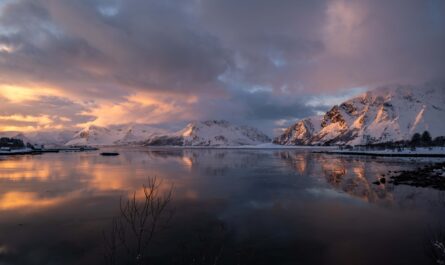
Norway’s fjords are among the most spectacular natural landscapes in Europe. Deep blue water cuts through towering mountains, waterfalls tumble down steep cliffs, small villages sit along quiet shorelines, and snow-covered peaks rise dramatically above the landscape. For someone visiting Norway for the first time, however, the sheer number of fjords can make trip planning surprisingly difficult.
Should you visit the famous Geirangerfjord? Is the scenery around the Sognefjord better for a longer trip? Is the Hardangerfjord a good choice for travelers who want waterfalls and fruit orchards? Would a fjord cruise be enough, or should you combine cruising with hiking, driving, and village visits?
There is no single fjord itinerary that works for everyone. The best choice depends on how much time you have, your interests, travel season, budget, and preferred pace.
The good news is that first-time visitors have several excellent options. From short scenic cruises to multi-day road trips, Norway’s fjord country can be explored in many different ways.
This guide introduces some of the most rewarding fjord experiences for first-time travelers and explains how to choose the right trip.
Why Visit the Norwegian Fjords?
A Norwegian fjord is much more than a beautiful body of water.
Fjords are long, narrow sea inlets surrounded by steep mountains. They were created over thousands of years as glaciers carved deep valleys into the landscape. When the glaciers retreated, seawater flooded these valleys, producing the dramatic waterways seen today.
The result is a landscape where several natural features come together:
- Deep waterways
- High mountains
- Glacial valleys
- Waterfalls
- Forests
- Snowfields
- Small settlements
- Wildlife
- Scenic roads and hiking routes
This variety makes fjord travel different from an ordinary sightseeing trip.
You can spend the morning on a boat, hike above the water in the afternoon, visit a historic village, and finish the day watching the mountains reflect in the fjord.
1. Sognefjord: A Great Introduction to Fjord Norway
For first-time visitors who want to experience a major fjord region without limiting themselves to a single attraction, Sognefjord is an excellent starting point.
Often described as Norway’s longest and deepest fjord, Sognefjord extends far inland and branches into numerous smaller fjords.
This creates a huge variety of landscapes.
You can explore narrow fjord arms, mountain villages, waterfalls, cultural attractions, scenic roads, and hiking routes.
One of the advantages of choosing Sognefjord is flexibility.
A traveler with only a couple of days can focus on a cruise and one or two nearby attractions. Someone with a week can explore several branches of the fjord system.
What Can You Do Around Sognefjord?
First-time visitors can combine:
- Fjord cruises
- Scenic train journeys
- Hiking
- Kayaking
- Village visits
- Waterfall sightseeing
- Mountain viewpoints
- Scenic driving
The region is also connected with attractions such as Flåm, making it convenient for travelers who want to combine fjord scenery with one of Norway’s famous railway experiences.
Best For
Sognefjord is particularly suitable for travelers who want variety and flexibility rather than a single iconic viewpoint.
2. Geirangerfjord: The Classic First-Time Fjord Experience
If you have seen photographs of Norway’s fjords, there is a good chance you have already seen Geirangerfjord.
Its steep mountain walls, waterfalls, green slopes, and dramatic viewpoints have made it one of Norway’s most recognizable landscapes.
The fjord is relatively compact compared with the enormous Sognefjord system, which can make it easier for first-time visitors to understand and explore.
One of the most memorable ways to experience Geirangerfjord is from the water.
A boat trip allows you to see the mountains rising directly from the fjord and provides perspectives that are difficult to appreciate from the road.
Famous Waterfalls
Several waterfalls are associated with Geirangerfjord.
Among the best known are:
- Seven Sisters
- The Suitor
- Bridal Veil
These waterfalls descend from the surrounding cliffs and are particularly impressive during periods of strong water flow.
Explore Beyond the Boat
A common mistake is to visit Geirangerfjord only by cruise ship.
If you have additional time, explore the surrounding roads and viewpoints.
Mountain roads can lead to spectacular overlooks where the fjord appears far below.
Best For
Geirangerfjord is ideal for travelers who want the classic postcard version of Norway: steep mountains, waterfalls, deep water, and dramatic viewpoints.
3. Hardangerfjord: Waterfalls, Orchards, and Mountain Scenery
Hardangerfjord offers a different atmosphere from Geirangerfjord.
It is particularly famous for its combination of fjord scenery and agricultural landscapes.
During spring, fruit trees around the Hardanger region can produce colorful blossoms, creating a striking contrast with the surrounding mountains.
The region is also known for waterfalls.
One of the most famous is Vøringsfossen, located in the broader Hardanger area.
Visitors can combine fjord sightseeing with:
- Waterfall viewpoints
- Hiking
- Fruit farms
- Villages
- Scenic roads
- Mountain landscapes
Hardangerfjord can therefore be a good option for travelers who want more than dramatic cliffs.
Best For
Choose Hardangerfjord if you enjoy waterfalls, countryside, food, fruit orchards, and mountain scenery.
4. Nærøyfjord: A Narrow and Dramatic Fjord
For first-time visitors who want an especially dramatic fjord experience, Nærøyfjord is worth considering.
It is a narrow branch of the larger Sognefjord system, with steep mountains rising dramatically from the water.
The narrowness of the fjord creates an enclosed atmosphere.
Instead of looking across a huge open body of water, you often feel surrounded by mountains.
This makes a boat journey particularly impressive.
The experience changes constantly as the vessel moves through the fjord.
You may pass:
- Small farms
- Waterfalls
- Rocky cliffs
- Forested slopes
- Mountain peaks
- Tiny settlements
Nærøyfjord is also part of a region recognized for its exceptional natural landscape.
Best For
Nærøyfjord is a strong choice for travelers who want a shorter but highly dramatic fjord cruise.
5. Aurlandsfjord and Flåm: Ideal for a First Fjord Combination
For first-time visitors arriving from Oslo or Bergen, the Aurlandsfjord and Flåm area can be particularly convenient.
Flåm has become one of Norway’s most popular tourism destinations because several forms of transportation and sightseeing can be combined in one area.
You can experience:
- A fjord cruise
- Mountain scenery
- Scenic rail travel
- Village sightseeing
- Hiking
- Cycling
- Water-based activities
The famous Flåm Railway provides another perspective on the mountainous landscape.
Instead of seeing Norway only from the water, you travel through steep mountain terrain and valleys.
This combination makes the area particularly useful for first-time visitors who want to experience several sides of Norwegian scenery without traveling huge distances.
Best For
Choose Flåm and Aurlandsfjord if you want a convenient combination of trains, fjords, mountains, and activities.
6. Lysefjord: Best for Adventure Lovers
Lysefjord, near Stavanger, offers a different type of fjord experience.
It is particularly attractive to active travelers because of famous hiking destinations in the surrounding mountains.
The best-known is Preikestolen, or Pulpit Rock.
The cliff rises dramatically above the Lysefjord and provides one of Norway’s most recognizable viewpoints.
Another famous destination is Kjerag, known for Kjeragbolten.
These hikes can transform a simple fjord sightseeing trip into an outdoor adventure.
Combine Boat and Hiking
One advantage of the Lysefjord region is that you can experience the landscape from both the water and the mountains.
A fjord cruise shows you the scale of the cliffs from below.
A hike gives you a completely different perspective from above.
Best For
Lysefjord is especially suitable for active first-time visitors who enjoy hiking and adventure.
7. Nordfjord: A Quieter Alternative
Not every first-time visitor wants to follow the busiest tourist routes.
If you prefer a more relaxed atmosphere, consider Nordfjord.
The region offers impressive mountains, glaciers, waterfalls, villages, and fjord landscapes without requiring you to focus exclusively on the country’s most famous viewpoints.
Nordfjord also provides access to areas associated with glaciers and high mountains.
This makes it a good choice for travelers interested in the connection between fjords and the wider mountain environment.
Best For
Nordfjord is suitable for visitors looking for dramatic scenery with a potentially quieter travel experience.
8. The Best Fjord Trip for a Short Visit
Not everyone has a week to explore Norway.
If you only have two or three days, avoid trying to see every major fjord.
Instead, choose one region and explore it properly.
Two-Day Example
Day 1: Travel to a fjord destination and take a scenic cruise.
Day 2: Explore a viewpoint, village, waterfall, or short hike before continuing your journey.
A compact itinerary allows you to spend more time enjoying the scenery and less time moving between destinations.
9. The Best Fjord Trip for Five Days
With approximately five days, you have more flexibility.
A possible structure could be:
Day 1: Bergen sightseeing
Day 2: Travel toward Flåm and explore the fjord
Day 3: Nærøyfjord cruise and surrounding attractions
Day 4: Travel through another scenic area
Day 5: Return toward Bergen
The exact route depends on transportation schedules and the season.
The important principle is to avoid packing too many destinations into one itinerary.
Norwegian travel distances can appear short on a map but take much longer because of winding mountain roads, ferries, and fjord crossings.
10. The Best Fjord Trip for Seven to Ten Days
With a week or more, you can create a much more varied journey.
You could combine:
- Bergen
- Sognefjord
- Flåm
- Nærøyfjord
- Aurlandsfjord
- Geirangerfjord
- Hardangerfjord
- Several mountain areas
A longer itinerary also allows you to add rest days.
This is important because fjord travel can involve long journeys, changing weather, hiking, ferries, and boat schedules.
Trying to move every day can turn a beautiful holiday into a transportation marathon.
Cruise or Road Trip: Which Is Better?
This is one of the most common questions for first-time visitors.
The answer depends on what you want to experience.
Fjord Cruise
A cruise is convenient because you can relax while the landscape moves around you.
Advantages include:
- No driving
- Excellent water-level views
- Comfortable sightseeing
- Easy photography
- Efficient travel through narrow waterways
The disadvantage is that you have less freedom to stop whenever you want.
Road Trip
A road trip provides greater flexibility.
You can stop at:
- Viewpoints
- Waterfalls
- Villages
- Hiking trails
- Cafés
- Scenic roads
However, driving in mountainous areas requires concentration and planning.
Some roads are narrow, winding, and seasonal.
Combine Both
For many first-time visitors, combining a road journey with one or more fjord cruises provides the most varied experience.
When Should First-Time Visitors Go?
The best season depends on what you want to do.
Summer
Summer offers long daylight hours and generally the widest selection of activities.
It is particularly convenient for hiking and scenic road trips.
However, popular destinations can become busy.
Spring
Spring brings waterfalls and, in some areas, flowering landscapes.
Snow may remain on higher mountains.
Autumn
Autumn can provide beautiful colors and fewer visitors.
Weather becomes less predictable, particularly at higher elevations.
Winter
Winter transforms the fjords into a completely different landscape.
Snow-covered mountains, short daylight hours, and frozen waterfalls can create spectacular scenery.
However, some roads, trails, and tourism services operate seasonally.
How Long Should a First Fjord Trip Be?
If this is your first visit, five to seven days can provide a useful balance.
Two or three days are enough for a taste of fjord country.
Five days allow you to experience multiple activities.
Seven to ten days provide enough time to explore several regions at a more relaxed pace.
If you have less time, choose one area rather than attempting to cover the entire fjord region.
How to Avoid Spending Too Much Time Traveling
Norway’s fjord landscape can be deceptive.
Two locations may look close on a map but require a lengthy journey because roads must follow the contours of mountains and fjords.
Ferries can also influence travel times.
For this reason, avoid changing accommodation every night.
Staying two or three nights in one location can make the trip much more enjoyable.
It also gives you a backup day if bad weather affects your original plans.
How to Choose the Right Fjord for Your Interests
A simple way to choose is to match the destination with your travel style.
For iconic scenery
Choose Geirangerfjord.
For variety
Choose Sognefjord.
For waterfalls and countryside
Choose Hardangerfjord.
For dramatic narrow landscapes
Choose Nærøyfjord.
For trains and fjords
Choose Flåm and Aurlandsfjord.
For hiking and adventure
Choose Lysefjord.
For a quieter atmosphere
Consider Nordfjord or another less concentrated fjord region.
What Should You Pack?
Fjord weather can change quickly, so first-time visitors should prepare for several conditions.
Useful items include:
- Waterproof jacket
- Warm layers
- Comfortable walking shoes
- Small daypack
- Reusable water bottle
- Sunglasses
- Sunscreen
- Portable charger
- Camera
- Lightweight rain protection
If you plan to hike, upgrade your footwear and clothing according to the difficulty and season of your chosen route.
Don’t pack only for the weather you expect.
Pack for the weather you might encounter.
Responsible Fjord Travel
Norway’s fjords are fragile natural environments.
Large numbers of visitors can place pressure on trails, vegetation, wildlife, and local communities.
First-time visitors should follow responsible travel principles.
Avoid leaving rubbish behind.
Stay on designated routes where appropriate.
Respect wildlife.
Follow local signs and regulations.
Use public transportation when practical.
Support local businesses.
Avoid damaging vegetation or natural features simply to obtain a photograph.
Responsible tourism helps preserve the fjords for future generations.
Common Mistakes First-Time Visitors Make
Several planning mistakes can make a fjord trip unnecessarily difficult.
Trying to See Everything
Norway is too large to experience its major fjords in a few days.
Choose fewer destinations and enjoy them properly.
Underestimating Travel Times
Roads, ferries, and mountain routes can make journeys longer than expected.
Always leave some flexibility.
Ignoring the Weather
A sunny forecast can change quickly in the mountains.
Check conditions regularly.
Packing Only for Warm Weather
Even summer evenings can feel cool near mountains and water.
Bring layers.
Scheduling Every Minute
Leave room for unexpected discoveries.
A village café, waterfall, viewpoint, or scenic road may become one of the best parts of your journey.
A Simple First-Time Fjord Itinerary
For travelers who want a straightforward introduction, a route built around Bergen, Flåm, Aurlandsfjord, and Nærøyfjord can provide an excellent mix of city sightseeing, railway travel, fjord cruising, and mountain scenery.
A longer trip can then add Sognefjord, Hardangerfjord, Geirangerfjord, or a hiking destination depending on personal interests.
The important thing is to build the itinerary around experiences rather than collecting fjord names.
One memorable cruise can be more rewarding than rushing through three different fjords.
Final Thoughts
The best fjord trip for a first-time visitor is not necessarily the longest or the one containing the greatest number of famous destinations.
It is the journey that matches your interests and gives you enough time to appreciate the landscape.
Sognefjord offers variety and flexibility. Geirangerfjord provides the classic dramatic fjord scenery. Hardangerfjord combines mountains with waterfalls and countryside. Nærøyfjord delivers a narrow, enclosed mountain experience, while Flåm and Aurlandsfjord are excellent for combining trains, cruises, and scenic exploration. Lysefjord is particularly appealing to hikers and adventure travelers, while Nordfjord can suit visitors searching for a broader and potentially quieter experience.
For most first-time visitors, combining a fjord cruise with scenic road travel, short hikes, villages, and viewpoints creates a more complete experience than relying on a single form of transportation.
Most importantly, don’t treat the fjords as attractions to be checked off a list.
Slow down.
Watch the mountains change as your boat moves through the water. Stop at a small viewpoint. Listen to a waterfall. Walk through a quiet village. Give yourself time to appreciate the enormous scale of the landscape.
Norway’s fjords are not just places to photograph.
They are landscapes to experience.
And for a first-time visitor, that combination of water, mountains, villages, waterfalls, roads, trails, and quiet moments is what can turn an ordinary sightseeing trip into an unforgettable Norwegian adventure.