 by
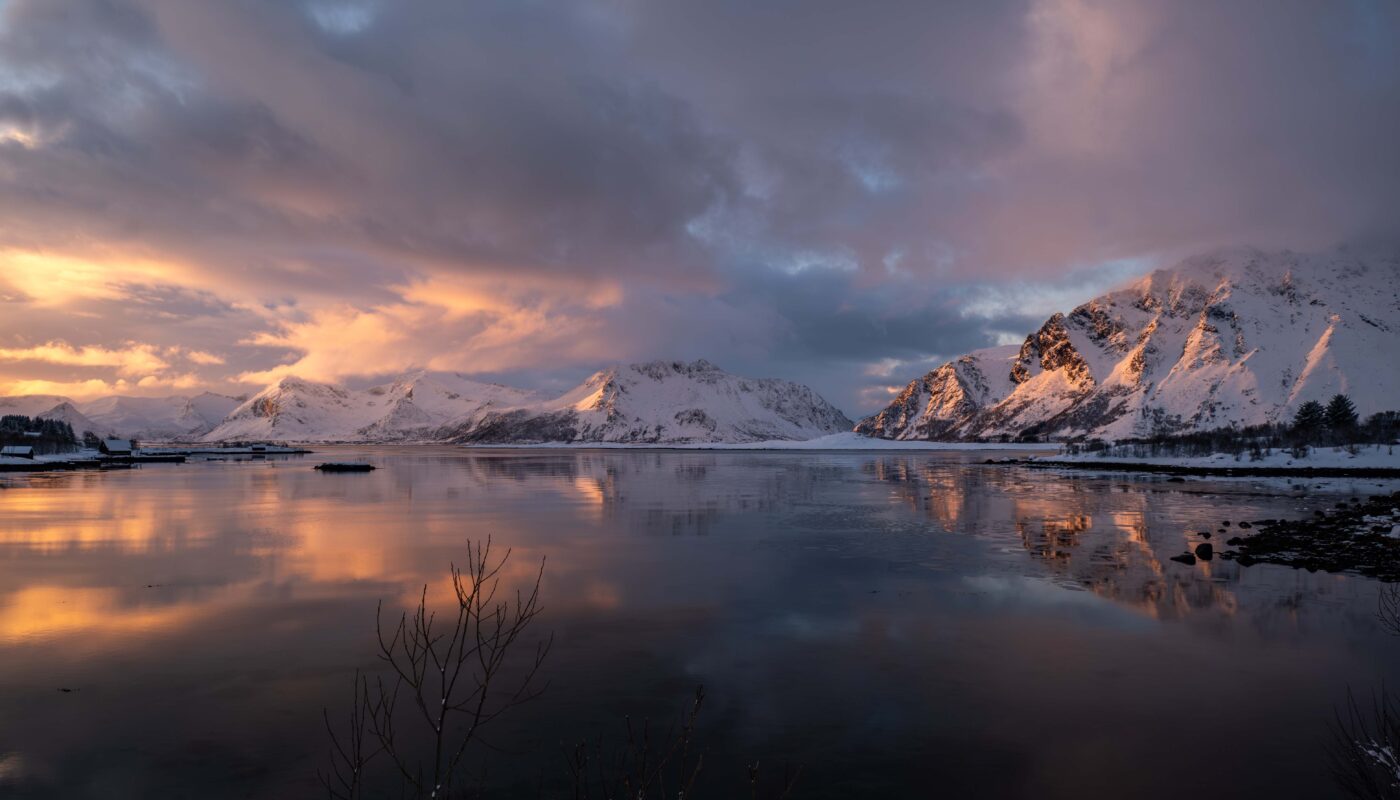
by Winter transforms fjords into some of the most breathtaking landscapes on Earth. Towering mountains become draped in fresh snow, waterfalls freeze into intricate ice sculptures, and the low winter sun casts a soft, golden glow across calm waters. The dramatic scenery of fjords during the cold season offers photographers an incredible opportunity to create images filled with atmosphere, contrast, and emotion.
However, winter fjord photography also presents unique challenges. Short days, unpredictable weather, icy conditions, and low-light environments require careful planning and a different approach than summer photography. Capturing the beauty of winter fjords demands not only technical skill but also patience, preparation, and an understanding of how light behaves in cold environments.
Whether you’re exploring the fjords of Norway, the frozen landscapes of Greenland, the snowy inlets of Alaska, or the dramatic fiords of New Zealand, mastering winter photography techniques can help you create truly unforgettable images.
Why Winter Is a Special Season for Fjord Photography
Many photographers consider winter the most magical time to visit fjords.
During the colder months, landscapes undergo a remarkable transformation:
- Snow softens harsh mountain textures.
- Ice creates unique foreground elements.
- Mist and fog add mystery.
- Low sunlight produces gentle colors.
- Fewer tourists allow for quieter compositions.
Winter landscapes often evoke feelings of solitude and serenity that are difficult to capture during busier seasons.
The reduced color palette of winter also encourages photographers to focus more on composition, texture, and light.
Understanding Winter Light in Fjords
One of the defining characteristics of winter photography is the quality of light.
The Low Sun Angle
During winter, the sun remains much lower in the sky.
This creates:
- Longer shadows
- Softer illumination
- Extended golden hours
- More dramatic textures
Unlike summer, when harsh midday light can create strong contrasts, winter light tends to be gentler and more forgiving.
Longer Golden and Blue Hours
In northern fjord regions, sunrise and sunset often provide exceptionally long periods of beautiful light.
Golden hour can last considerably longer than it does during summer.
Similarly, blue hour—the period just before sunrise and after sunset—can create enchanting scenes with cool tones and subtle colors.
These conditions are ideal for:
- Landscape photography
- Reflections
- Long exposures
- Atmospheric compositions
Snow: Friend and Challenge
Snow is one of the most beautiful elements of winter fjord photography, but it can also be technically demanding.
Why Snow Is Difficult to Photograph
Camera meters often interpret bright snow as overly bright and automatically darken the image.
The result can be:
- Gray snow
- Underexposed scenes
- Loss of detail
Using Exposure Compensation
To keep snow looking bright and natural, photographers often increase exposure slightly.
A compensation of:
- +0.3
- +0.7
- +1 stop
can often produce more accurate results.
Reviewing your histogram is especially important when photographing snowy landscapes.
Capturing Snow Texture
Fresh snow provides beautiful texture and contrast.
Look for:
- Wind patterns
- Snow-covered rocks
- Animal tracks
- Ice formations
- Snow-laden trees
Early morning often provides the cleanest and most pristine conditions.
Avoid walking into a scene before taking your photographs, as footprints can quickly alter an otherwise perfect composition.
Ice: The Hidden Beauty of Fjords
Ice is one of winter’s most fascinating photographic subjects.
It appears in many forms:
- Frozen waterfalls
- Ice-covered shorelines
- Icicles
- Floating ice fragments
- Frost patterns
Each type of ice offers unique opportunities for creative compositions.
Photographing Frozen Waterfalls


7
Frozen waterfalls are among winter’s most spectacular subjects.
Partial freezing often creates:
- Interesting textures
- Contrasting colors
- Dynamic patterns
A tripod becomes essential because these scenes often require longer shutter speeds.
Experiment with different exposures to capture both the frozen and flowing portions of the waterfall.
Ice Along the Shoreline
Cold temperatures can create remarkable ice formations along fjord shores.
These formations can serve as excellent foreground elements.
Look for:
- Ice bubbles
- Cracked ice
- Transparent ice sheets
- Frost-covered stones
Foreground details often add depth and scale to landscape images.
The Challenge of Low Light
Winter days are short, especially in northern fjord regions.
Some destinations experience only a few hours of daylight.
While low light creates beautiful moods, it also presents technical challenges.
Slower Shutter Speeds
Less available light means:
- Longer exposures
- Greater risk of camera shake
- Higher dependence on tripods
A sturdy tripod quickly becomes one of the most important pieces of equipment.
Higher ISO Settings
Sometimes increasing ISO is necessary.
Modern cameras perform remarkably well at:
- ISO 800
- ISO 1600
- ISO 3200
The key is finding the balance between exposure and image quality.
Essential Camera Equipment
Camera Body
Any modern camera can capture beautiful fjord images.
However, cameras with strong low-light performance provide advantages during winter.
Wide-Angle Lens
A wide-angle lens is ideal for:
- Capturing vast landscapes
- Emphasizing foreground elements
- Including dramatic skies
Popular focal lengths include:
- 14mm
- 16mm
- 24mm
Telephoto Lens
Telephoto lenses are useful for:
- Isolating mountain peaks
- Capturing distant waterfalls
- Photographing wildlife
- Creating compressed landscapes
Tripod
A tripod is perhaps the single most important accessory for winter fjord photography.
It allows:
- Long exposures
- Sharp low-light images
- Precise compositions
Choose a sturdy model that can withstand wind and snow.
Best Camera Settings for Winter Fjords
Aperture
For landscapes, photographers often use:
- f/8
- f/11
- f/16
These settings provide excellent depth of field.
Shutter Speed
Shutter speed depends on the subject.
Examples include:
- Fast speeds for blowing snow
- Slow speeds for water movement
- Long exposures for reflections
ISO
Keep ISO as low as possible while maintaining adequate shutter speeds.
Modern noise reduction software makes moderate ISO values more manageable than ever.
Photographing Reflections
Winter fjords often experience calm conditions.
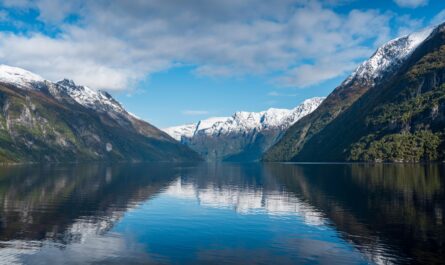
The result can be extraordinary mirror-like reflections.


8
To maximize reflections:
- Photograph early in the morning.
- Use calm weather conditions.
- Look for sheltered locations.
Reflections can add symmetry and tranquility to your compositions.
Working With Weather
Winter weather changes rapidly.
Conditions may include:
- Snowstorms
- Fog
- Rain
- Sunshine
- Strong winds
Rather than avoiding poor weather, photographers often embrace it.
Bad weather frequently creates:
- Mood
- Drama
- Atmospheric light
- Unique compositions
Some of the most memorable fjord photographs are made during challenging conditions.
Using Fog and Mist Creatively
Mist is common in fjord environments.
Fog can:
- Simplify compositions
- Add mystery
- Create depth
- Isolate subjects
Photographing through layers of mist often results in highly atmospheric images.
Compositional Techniques
Leading Lines
Fjords naturally provide excellent leading lines.
Examples include:
- Shorelines
- Rivers
- Snow patterns
- Roads
- Ice cracks
Leading lines guide viewers into the photograph.
Foreground Interest
Winter landscapes benefit greatly from strong foreground elements.
Examples include:
- Rocks covered in snow
- Ice formations
- Driftwood
- Frozen plants
Foreground elements add dimension and scale.
Minimalism
Winter is ideal for minimalist photography.
Snow simplifies landscapes and removes distractions.
Simple compositions often become more powerful during winter.
Photographing Wildlife in Winter Fjords
Many fjord regions remain rich in wildlife during winter.
Possible subjects include:
- Eagles
- Seals
- Reindeer
- Deer
- Sea birds
Telephoto lenses become particularly useful for wildlife photography.
Patience is often rewarded.
Northern Lights Over Fjords
One of the greatest rewards of winter photography in northern fjord regions is the opportunity to photograph the aurora.


7
Basic Aurora Settings
Typical starting settings include:
- Aperture: f/2.8
- ISO: 1600–3200
- Shutter speed: 5–15 seconds
The ideal settings vary depending on the brightness and movement of the aurora.
Combining the Northern Lights with snowy fjord landscapes creates truly unforgettable images.
Protecting Your Equipment
Cold temperatures can affect photographic equipment.
Battery Performance
Batteries drain faster in cold weather.
Carry:
- Spare batteries
- Insulated storage
- Power banks
Keep extra batteries in an inside pocket close to your body.
Condensation
Moving from cold outdoor air into warm buildings can cause condensation.
Place your camera inside a sealed bag before entering warmer environments.
Allow it to warm gradually.
Dressing for Winter Photography
Comfort directly affects creativity.
Photographers often spend hours standing still in cold conditions.
Dress in layers:
Base Layer
Moisture-wicking clothing.
Mid Layer
Insulating fleece or down.
Outer Layer
Waterproof and windproof protection.
Warm gloves that allow camera operation are also essential.
Safety Considerations
Winter fjord landscapes can be hazardous.
Potential risks include:
- Ice-covered paths
- Avalanches
- Sudden storms
- Strong winds
- Slippery rocks
Always:
- Check weather forecasts.
- Inform someone of your plans.
- Carry emergency supplies.
- Respect local conditions.
No photograph is worth risking your safety.
Planning for Success
Preparation significantly improves your chances of capturing exceptional images.
Research:
- Sunrise and sunset times
- Weather conditions
- Tide schedules
- Road conditions
- Potential viewpoints
Scouting locations in advance often leads to stronger compositions.
Post-Processing Winter Images
Editing can help enhance the atmosphere of winter scenes.
Common adjustments include:
- Correcting white balance
- Recovering highlight detail
- Enhancing contrast
- Increasing texture
- Fine-tuning color tones
The goal is usually to preserve the natural beauty of winter rather than dramatically altering it.
Why Winter Fjord Photography Is So Rewarding
Winter demands patience and preparation, but the rewards can be extraordinary.
Snow, ice, and low light create conditions that are unlike any other season. The landscapes become quieter, the light becomes softer, and even familiar locations take on entirely new personalities.
Winter photography encourages photographers to slow down, observe details, and appreciate subtle changes in weather and light.
Conclusion
Winter fjord photography combines some of nature’s most captivating elements: snow-covered mountains, intricate ice formations, moody weather, and beautiful low light. While the season presents challenges such as cold temperatures, short days, and difficult conditions, it also offers unmatched opportunities for creativity and atmosphere.
Mastering winter fjord photography requires an understanding of light, careful exposure techniques, thoughtful compositions, and proper preparation. By embracing the unique qualities of winter rather than fighting them, photographers can create images that capture the true magic of these extraordinary landscapes.
Whether you are photographing frozen waterfalls in Norway, icy reflections in Alaska, or the Northern Lights above a quiet fjord, winter provides endless inspiration. In these cold, silent landscapes, every snowfall, every patch of ice, and every ray of low winter sunlight becomes an opportunity to tell a remarkable visual story.