 by
by One of the most breathtaking natural settings on Earth is a fjord.. These deep, narrow inlets, carved by glaciers and surrounded by steep cliffs and towering mountains, attract millions of visitors every year. Whether exploring the famous fjords of Norway, the dramatic waterways of New Zealand, or the rugged coastal inlets of Alaska and Greenland, one question often arises before planning a trip: How cold are fjords in summer and winter?
The answer isn’t as straightforward as many people expect. Many fjords receive relatively moderate weather at various times of the year, despite the fact that fjords are typically associated with frigid temperatures and snow-covered scenery. At the same time, some fjord regions endure harsh winters with freezing temperatures and heavy snowfall.
Understanding the climate of fjords is important for travelers, photographers, hikers, and anyone interested in these remarkable environments. Temperature affects everything from packing choices and outdoor activities to wildlife behavior and local ecosystems.
This guide explores how cold fjords really are during both summer and winter and explains the factors that make each fjord region unique.
Why Fjords Have Unique Climates
Fjords are unlike most other landscapes because they are influenced by several natural factors simultaneously.
Their climate depends on:
- Latitude
- Ocean currents
- Elevation
- Nearby glaciers
- Mountain barriers
- Seasonal daylight changes
The interaction of these elements creates highly varied weather conditions.
Two fjords located in different parts of the world can have dramatically different temperatures despite sharing similar geological features.
The Role of Ocean Currents
One of the biggest reasons some fjords are milder than expected is the influence of ocean currents.
Warm ocean currents can significantly moderate temperatures.
For example, many Norwegian fjords remain relatively mild because they are influenced by the North Atlantic Current, an extension of the Gulf Stream.
Without this warming effect, Norway’s fjords would likely experience far colder conditions similar to parts of Greenland or northern Canada.
Summer Temperatures in Fjords
Many travelers assume fjords remain cold year-round because they were carved by glaciers. However, summer temperatures can be surprisingly pleasant.
Typical Summer Temperatures
In many fjord regions, daytime summer temperatures range between:
- 10°C to 25°C (50°F to 77°F)
However, conditions vary greatly depending on the specific location.
Norwegian Fjords


8
Many of Norway’s famous fjords experience comfortable summer weather.
Average summer temperatures often range from:
- 13°C to 22°C (55°F to 72°F)
Some inland fjord regions occasionally experience temperatures exceeding 25°C (77°F).
Despite these pleasant conditions, evenings and mornings can still feel cool.
New Zealand’s Fiords
The fjords of southwestern New Zealand enjoy relatively mild summers.
Average temperatures generally range between:
- 10°C and 20°C (50°F to 68°F)
Rainfall, however, remains common throughout the year.
Alaskan Fjords
Fjord regions in Alaska are cooler.
Summer temperatures usually range from:
- 8°C to 18°C (46°F to 64°F)
Cloudy conditions and cool ocean air often keep temperatures moderate.
Greenland Fjords
Greenland’s fjords remain among the coldest.
Summer temperatures often stay between:
- 5°C and 15°C (41°F to 59°F)
Even during midsummer, chilly conditions are common.
Why Fjords Can Feel Colder Than the Thermometer Suggests
Temperature readings do not always tell the whole story.
Several factors can make fjords feel colder than expected.
Wind
Strong winds frequently funnel through fjord valleys.
These winds can make temperatures feel several degrees cooler.
Water Temperature
Deep fjord waters often remain cold year-round.
Cool air rising from the water can lower the perceived temperature.
Nearby Glaciers
Many fjords lie near glaciers.
Cold air descending from glaciers can significantly reduce local temperatures.
Shade
Steep mountain walls often block sunlight for portions of the day.
As a result, some fjord communities receive less direct sunshine than surrounding areas.
Can You Swim in Fjords During Summer?
The answer is yes—but with caution.
Water Temperatures
Even when air temperatures are pleasant, fjord waters often remain cold.
Summer water temperatures generally range from:
- 8°C to 16°C (46°F to 61°F)
In areas close to glaciers, temperatures may remain even lower.
Many locals and adventurous travelers do swim in fjords, but the water can feel extremely cold to those unaccustomed to it.
Summer Activities and Temperature
Pleasant summer conditions make fjords ideal for:
- Hiking
- Kayaking
- Boat cruises
- Fishing
- Photography
- Wildlife watching
However, because temperatures can change rapidly, layered clothing is always recommended.
A sunny morning can quickly become cool and rainy by afternoon.
Autumn: The Transition Toward Winter
As summer ends, temperatures begin to decline.
Typical autumn temperatures range from:
- 5°C to 15°C (41°F to 59°F)
Higher elevations may experience early snowfall.
Autumn often brings:
- More rain
- Stronger winds
- Shorter daylight hours
- Cooler nights
The changing colors of vegetation make this season particularly beautiful in many fjord regions.
Winter Temperatures in Fjords
Winter temperatures vary dramatically depending on location.
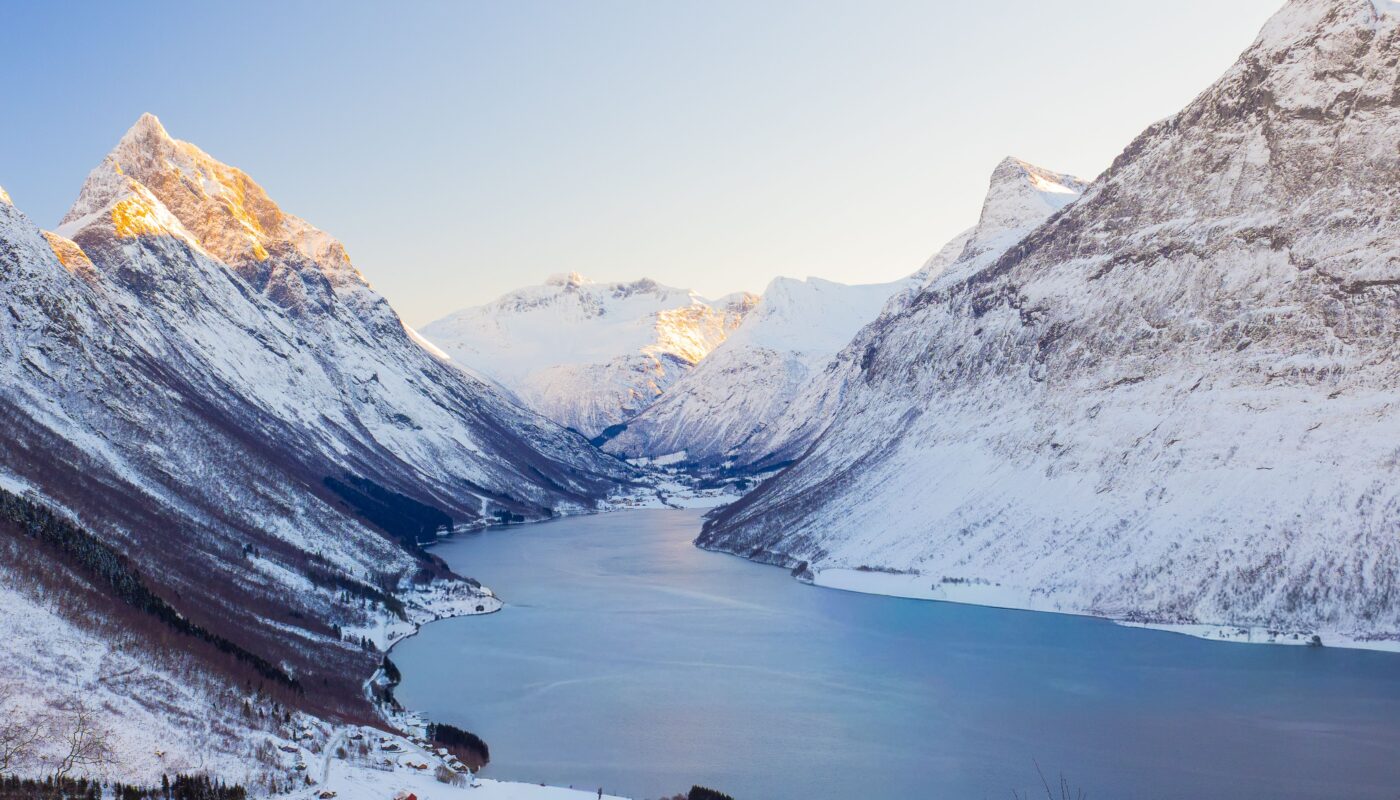
Some fjords remain surprisingly mild, while others become frozen wildernesses.
Norwegian Fjords in Winter


7
Many people are surprised to learn that some Norwegian fjords experience relatively moderate winters.
Average temperatures often range from:
- -2°C to 5°C (28°F to 41°F)
Coastal areas are particularly mild due to ocean influences.
However, inland and northern fjords can become much colder.
Alaskan Fjords
Winter temperatures in Alaska often range from:
- -10°C to 5°C (14°F to 41°F)
Snowfall and icy conditions are common.
Greenland Fjords
Greenland experiences much harsher winters.
Temperatures may range from:
- -20°C to -5°C (-4°F to 23°F)
In northern regions, temperatures can fall much lower.
New Zealand’s Fiords
New Zealand’s fiords remain comparatively mild.
Winter temperatures often stay between:
- 2°C and 10°C (36°F to 50°F)
Snow occasionally covers higher elevations but is less common near sea level.
Do Fjords Freeze in Winter?
Some do, while others remain ice-free.
Factors That Influence Freezing
Whether a fjord freezes depends on:
- Water depth
- Salinity
- Ocean currents
- Air temperature
- Freshwater input
Many Norwegian fjords remain ice-free because of their connection to relatively warm ocean waters.
In contrast, some fjords in Greenland and northern Canada can freeze extensively during winter.
Snowfall in Fjord Regions
Snowfall varies considerably.
Heavy Snow Regions
Some fjord areas receive enormous amounts of snow, particularly:
- Northern Norway
- Alaska
- Greenland
- Patagonia’s mountains
Milder Areas
Other fjord regions experience only occasional snowfall.
The surrounding mountains often receive much more snow than communities located at sea level.
The Influence of Mountains on Temperature
Mountain walls significantly influence fjord climates.
They can:
- Block cold winds
- Trap warm air
- Create rain shadows
- Generate local weather patterns
As a result, temperatures can vary substantially over short distances.
A mountain summit may be snow-covered while the nearby fjord shoreline enjoys relatively mild conditions.
Daylight and Seasonal Perception of Cold
The amount of daylight strongly affects how cold fjords feel.
Summer
Northern fjords enjoy extremely long daylight hours.
Some regions experience the Midnight Sun, with nearly continuous daylight.
Long days can create a warmer overall impression.
Winter
Conversely, winter days become very short.
Limited sunlight can make temperatures feel colder and create a stronger sense of winter.
Wildlife and Seasonal Temperatures
Temperature changes also influence wildlife behavior.
Summer
Warmer conditions attract:
- Migratory birds
- Whales
- Dolphins
- Fish species
Winter
Cold conditions lead many animals to:
- Migrate
- Hibernate
- Alter feeding patterns
Some fjord species are specially adapted to survive in cold environments year-round.
How Climate Change Is Affecting Fjord Temperatures
Global warming is gradually changing fjord climates.
Scientists have observed:
- Rising air temperatures
- Reduced snowfall in some regions
- Glacier retreat
- Warmer water temperatures
These changes can affect:
- Ecosystems
- Fisheries
- Tourism
- Local communities
Some fjord regions are warming faster than the global average.
What Should You Pack?
Because fjord weather changes quickly, packing for all conditions is essential.
Summer Packing List
Bring:
- Light layers
- Waterproof jacket
- Fleece or sweater
- Comfortable shoes
- Sunglasses
- Hat
Winter Packing List
Bring:
- Insulated jacket
- Thermal clothing
- Waterproof boots
- Gloves
- Wool hat
- Scarf
Layering remains the most effective strategy regardless of season.
Best Season for Visiting Fjords
The ideal time depends on your interests.
Summer
Perfect for:
- Hiking
- Cruises
- Kayaking
- Long daylight hours
Autumn
Ideal for:
- Photography
- Fewer crowds
- Colorful scenery
Winter
Excellent for:
- Snow landscapes
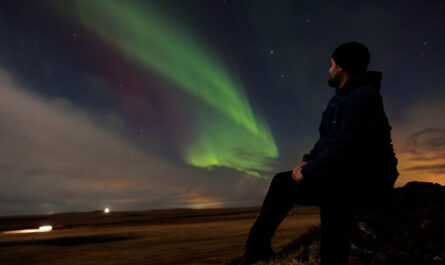
- Northern Lights
- Winter sports
Spring
Great for:
- Waterfalls
- Blooming vegetation
- Moderate crowds
Each season offers a completely different fjord experience.
Final Thoughts
So, how cold are fjords in summer and winter? The answer varies greatly depending on location, season, and local geography.
Summer temperatures in many fjord regions are surprisingly pleasant, often ranging between 10°C and 25°C (50°F to 77°F), while winter conditions can range from mild coastal temperatures to severe Arctic cold. Water temperatures generally remain cooler than the surrounding air, and rapidly changing weather means visitors should always prepare for a variety of conditions.
The unique combination of mountains, oceans, glaciers, and seasonal daylight creates climates that are as fascinating as the fjords themselves. Whether you’re exploring a sunny Norwegian fjord in July, kayaking through Alaska’s cool waters, or admiring snow-covered landscapes in Greenland, understanding seasonal temperatures will help you make the most of your journey.
Ultimately, fjords are not defined solely by how cold they are but by the incredible diversity of experiences they offer throughout the year. Their changing seasons and dramatic weather patterns are part of what makes these extraordinary landscapes so captivating and unforgettable.