 by
by A fjord trip is unlike any other type of travel experience. Towering cliffs, glacier-carved valleys, waterfalls, deep blue waterways, quiet villages, and winding mountain roads combine to create landscapes that feel almost unreal. Whether you dream of exploring Norway’s dramatic coastlines, New Zealand’s misty fiords, or Patagonia’s wild channels, planning a fjord journey requires more thought than a standard vacation.
Fjord regions are often remote, weather conditions can shift quickly, and transportation routes may involve ferries, mountain roads, trains, or boats. But with proper planning, a fjord trip can become one of the most memorable adventures you will ever experience.
This guide walks through the entire process step by step—from choosing a destination and deciding when to travel to organizing transportation, activities, accommodations, and budgeting.
Step 1: Decide Which Fjord Destination Fits Your Travel Style
Not all fjord destinations offer the same atmosphere. The first step is understanding what kind of experience you want.
Norway: Classic Fjord Landscapes
Norway is the world’s most famous fjord destination.
Expect:
- Dramatic cliffs and waterfalls
- Scenic ferry rides
- Charming coastal villages
- Excellent hiking opportunities
Popular fjords include:
- Geirangerfjord
- Nærøyfjord
- Hardangerfjord
- Lysefjord
Norway is ideal for travelers seeking iconic scenery and well-developed tourism infrastructure.
New Zealand: Rainforest and Misty Fiords
New Zealand’s Fiordland region offers a greener, wilder atmosphere.
Highlights include:
- Milford Sound
- Doubtful Sound
- Rainforest-covered mountains
- Waterfalls and wildlife
This region feels more remote and mysterious compared to Norway.
Patagonia: Rugged Wilderness
Chile and Argentina offer fjord landscapes with fewer crowds and a more expedition-like feel.
Expect:
- Harsh weather
- Glacier-filled channels
- Remote wilderness
- Adventure-focused travel
This is best for experienced travelers who enjoy rugged environments.
Iceland and Alaska
These regions combine fjords with volcanic terrain, glaciers, wildlife, and Arctic scenery.
Each destination creates a completely different type of fjord experience.
Step 2: Choose the Best Time to Visit
Season dramatically affects a fjord trip.
Summer (Most Popular)
Advantages:
- Longer daylight hours
- Milder temperatures
- Easier transportation access
- Hiking trails open
Disadvantages:
- More tourists
- Higher prices
For Norway, June through August is peak season.
Spring and Autumn
Advantages:
- Fewer crowds
- Beautiful seasonal colors
- Lower accommodation costs
Disadvantages:
- Unpredictable weather
- Some attractions may operate limited schedules
Winter
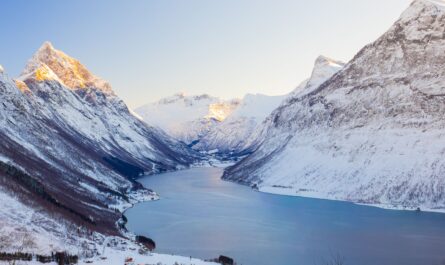
Winter fjord travel can be magical but challenging.
Possible highlights:
- Snow-covered mountains
- Northern lights
- Frozen landscapes
Challenges include:
- Limited ferry schedules
- Short daylight hours
- Difficult driving conditions
Step 3: Set Your Budget Early
Fjord destinations can vary greatly in cost.
Your budget should include:
- Flights
- Accommodation
- Transportation
- Food
- Activities
- Emergency funds
Norway Example
Norway is often considered expensive, especially for:
- Hotels
- Dining
- Fuel
- Guided tours
However, costs can be reduced through:
- Camping
- Grocery shopping
- Public transport
- Off-season travel
Planning financially in advance prevents surprises later.
Step 4: Decide How Long Your Trip Should Be
Fjord travel is slower than city tourism because transportation routes often involve long scenic drives, ferries, or mountain crossings.
Recommended Trip Lengths
3–5 Days
Best for:
- One major fjord region
- Short scenic road trip
- Day hikes and boat tours
7–10 Days
Ideal for:
- Multiple fjords
- Flexible pacing
- Scenic train journeys
2+ Weeks
Perfect for:
- Deep exploration
- Hiking-focused trips
- Remote regions
Avoid trying to see too much too quickly. Fjord travel is best enjoyed slowly.
Step 5: Plan Your Transportation Carefully
Transportation is one of the most important parts of fjord trip planning.
Rental Car
Best for:
- Maximum flexibility
- Scenic road trips
- Remote villages
Advantages:
- Stop wherever you want
- Access less-visited areas
- Flexible scheduling
Challenges:
- Expensive fuel
- Mountain roads
- Ferry logistics
Public Transport
Many fjord regions have excellent public transport systems.
Options may include:
- Scenic trains
- Ferries
- Regional buses
- Coastal boats
Public transport reduces driving stress and can be highly scenic.
Cruises and Ferry Travel
Some fjord travelers prefer exploring primarily by boat.
Advantages:
- Relaxed pace
- Incredible water-level views
- Comfortable transportation between destinations
Step 6: Build a Balanced Itinerary
Overbooking is one of the most common blunders made by tourists.
A good fjord itinerary should balance:
- Travel time
- Activities
- Rest
- Weather flexibility
Include Variety
Try combining:
- Boat tours
- Scenic drives
- Hiking
- Small villages
- Cultural experiences
Avoid Constant Movement
Staying at least 2 nights in some locations helps reduce travel fatigue and allows deeper exploration.
Step 7: Choose the Right Accommodation
Accommodation shapes the overall experience.
Hotels
Best for:
- Comfort
- Convenience
- Full services
Cabins and Cottages
Popular in Scandinavian fjord regions.
Advantages:
- Scenic locations
- More privacy
- Kitchen access
Camping
Excellent for:
- Budget travelers
- Outdoor enthusiasts
- Flexible itineraries
Some fjord regions have world-class campgrounds with spectacular views.
Fjordside Lodges
Staying directly beside a fjord can completely change the atmosphere of the trip.
Waking up to calm water and mountain reflections is often a highlight in itself.
Step 8: Plan Activities Around Your Interests
Fjord destinations offer much more than sightseeing.
Hiking
Popular fjord hikes include:
- Preikestolen
- Trolltunga
- Kjerag
- Glacier valley trails
Kayaking
Kayaking offers an immersive way to experience fjords from water level.
Scenic Rail Journeys
Some of the world’s most beautiful train routes pass through fjord regions.
Wildlife Watching
Depending on the destination, you may see:
- Whales
- Seals
- Eagles
- Dolphins
- Puffins
Photography
Fjord landscapes are ideal for:
- Sunrise photography
- Reflections
- Waterfalls
- Northern lights in winter
Step 9: Prepare for Changing Weather
Fjord weather can shift rapidly.
You may experience:
- Sun
- Rain
- Wind
- Fog
- Temperature swings
—all within the same day.
Pack Layers
Essential items include:
- Waterproof jacket
- Warm mid-layers
- Hiking shoes
- Gloves and hats (depending on season)
Even summer evenings can feel cold near water and mountains.
Step 10: Leave Flexibility in Your Schedule
One of the most important parts of fjord travel is adaptability.
Weather may affect:
- Ferry schedules
- Hiking conditions
- Boat tours
- Visibility
Building extra flexibility into your itinerary reduces stress and allows spontaneous discoveries.
Sometimes the best experiences happen unexpectedly:
- A hidden waterfall
- A quiet village café
- A scenic overlook not listed in guidebooks
Step 11: Respect Nature and Local Communities
Fjord ecosystems are fragile.
Responsible travel includes:
- Staying on marked trails
- Avoiding litter
- Respecting wildlife
- Supporting local businesses
- Following camping regulations
Many fjord communities are small, and sustainable tourism helps preserve them.
Step 12: Don’t Rush the Experience
Fjord landscapes are best appreciated slowly.
Unlike fast-paced urban tourism, fjord travel rewards patience:
- Watching clouds move across mountains
- Sitting quietly beside the water
- Taking scenic ferry rides without rushing
The beauty of fjords often lies in stillness rather than activity.
Common Mistakes to Avoid
Trying to See Too Much
Long driving times and ferry schedules make overly ambitious itineraries exhausting.
Ignoring Weather Forecasts
Conditions can change rapidly and affect activities significantly.
Underestimating Costs
Especially in Scandinavia, prices may be higher than expected.
Packing Incorrectly
Improper footwear or lack of waterproof clothing can quickly ruin outdoor experiences.
Why Fjord Trips Feel So Different
Fjord journeys create a unique emotional atmosphere because they combine:
- Water
- Mountains
- Isolation
- Constant movement through nature
Travelers often feel a strong sense of calm and perspective in these environments.
The scale of the landscape changes how you experience time and distance. Even simple activities—like taking a ferry or watching light reflect on the water—become memorable.
Final Thoughts
Planning a fjord trip step by step helps transform a complicated travel idea into a smooth and deeply rewarding adventure.
From choosing the right destination and season to organizing transportation, accommodation, and activities, thoughtful preparation allows you to enjoy the experience fully once you arrive.
But beyond logistics, fjord travel offers something more meaningful: a chance to slow down and reconnect with the natural world. Whether you are hiking above dramatic cliffs, kayaking through silent waterways, or simply watching mist drift across the mountains, fjords have a way of making ordinary travel feel extraordinary.
And often, the moments you remember most are not the busiest ones—but the quiet moments when the landscape speaks for itself.