 by
by There are few travel experiences as immersive as kayak-camping through a fjord landscape. Unlike traditional hiking or road travel, fjord kayaking allows you to move silently through some of the world’s most dramatic natural environments while carrying your campsite with you. Every day begins on the water and ends beside it, often surrounded by cliffs, waterfalls, glaciers, forests, or snow-covered peaks.
Fjord regions are uniquely suited to multi-day kayak expeditions because they combine calm waterways with remote wilderness. Many fjords stretch deep inland, protected from open ocean swells by steep mountain walls. This creates routes that are both visually spectacular and surprisingly navigable for experienced paddlers.
From Norway’s legendary coastlines to the isolated channels of Patagonia and New Zealand, kayak-camping in fjords offers a rare blend of adventure, self-sufficiency, and quiet connection with nature. This guide explores what makes these journeys special, where to go, how to prepare, and what to expect on a multi-day wilderness trip.
Why Fjords Are Perfect for Kayak-Camping
Fjords create ideal conditions for extended paddling adventures because they naturally combine water access, protected routes, and scenic diversity.
Sheltered Waters
Unlike open coastlines exposed to strong ocean waves, fjords are usually protected by surrounding mountains. While weather conditions can still become challenging, the water is often calmer than the open sea.
This makes it possible to:
- Paddle long distances safely
- Camp along shorelines
- Explore remote inlets and coves
Constant Scenic Variety
One of the greatest joys of fjord kayaking is that the scenery changes constantly. During a single day, paddlers may encounter:
- Vertical cliffs rising from the water
- Waterfalls plunging into narrow channels
- Glaciers in the distance
- Dense forests and isolated beaches
- Wildlife such as seals, whales, or seabirds
Unlike many outdoor trips where the scenery changes gradually, fjords deliver dramatic visual shifts almost continuously.
Access to Remote Wilderness
Many fjord regions have very limited road access. Kayaks allow travelers to reach places that would otherwise require difficult trekking or boats.
This creates a strong sense of independence and exploration.
What Makes Multi-Day Kayak Trips Different?
A short kayaking excursion and a multi-day wilderness expedition are entirely different experiences.
On a day trip, kayaking is the activity itself. On a multi-day trip, kayaking becomes a way of life.
You carry:
- Shelter
- Food
- Clothing
- Cooking equipment
- Emergency supplies
Every decision matters:
- Where to camp
- How far to paddle
- How to manage weather changes
- How to conserve energy
The result is a deeper connection to both the environment and the rhythm of the journey.
Best Fjord Regions for Kayak-Camping
Norwegian Fjords
Norway is arguably the world’s most iconic fjord destination.
Why Norway Stands Out
- Endless fjord systems
- Well-developed outdoor culture
- Excellent camping opportunities
- Stunning mountain-and-water landscapes
Popular areas include:
- Geirangerfjord
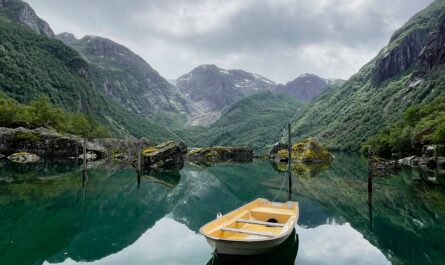
- Nærøyfjord
- Hardangerfjord
- Lysefjord
Norway’s “right to roam” tradition also makes wilderness camping more accessible than in many countries.
Experience Level
Conditions can vary dramatically depending on weather and season. Calm mornings may quickly turn windy in the afternoon.
Patagonia, Chile
Patagonia offers a far more rugged and isolated fjord experience.
What Makes It Unique
- Massive glaciers meeting the sea
- Wild weather systems
- Sparse human presence
- Extremely remote routes
Kayak-camping here feels less like recreation and more like true wilderness exploration.
Challenges
- Strong winds
- Cold water temperatures
- Limited rescue access
This region is best suited for experienced expedition paddlers.
Fiordland, New Zealand
New Zealand’s fjords—known locally as fiords—offer a completely different atmosphere.
Distinctive Features
- Dense rainforest descending into water
- Frequent waterfalls
- Misty, moody weather conditions
- Rich birdlife
Milford Sound and Doubtful Sound are among the most famous areas.
Best For
Travelers who enjoy dramatic weather, lush landscapes, and a more mystical atmosphere.
Alaska’s Fjord Regions
Alaska combines fjords with glaciers, forests, and abundant wildlife.
Highlights
- Icebergs drifting through bays
- Orcas and humpback whales
- Bald eagles and sea otters
- Massive untouched landscapes
The sheer scale of Alaska’s fjords creates a powerful sense of remoteness.
Essential Gear for Fjord Kayak-Camping
Preparation is critical for multi-day trips.
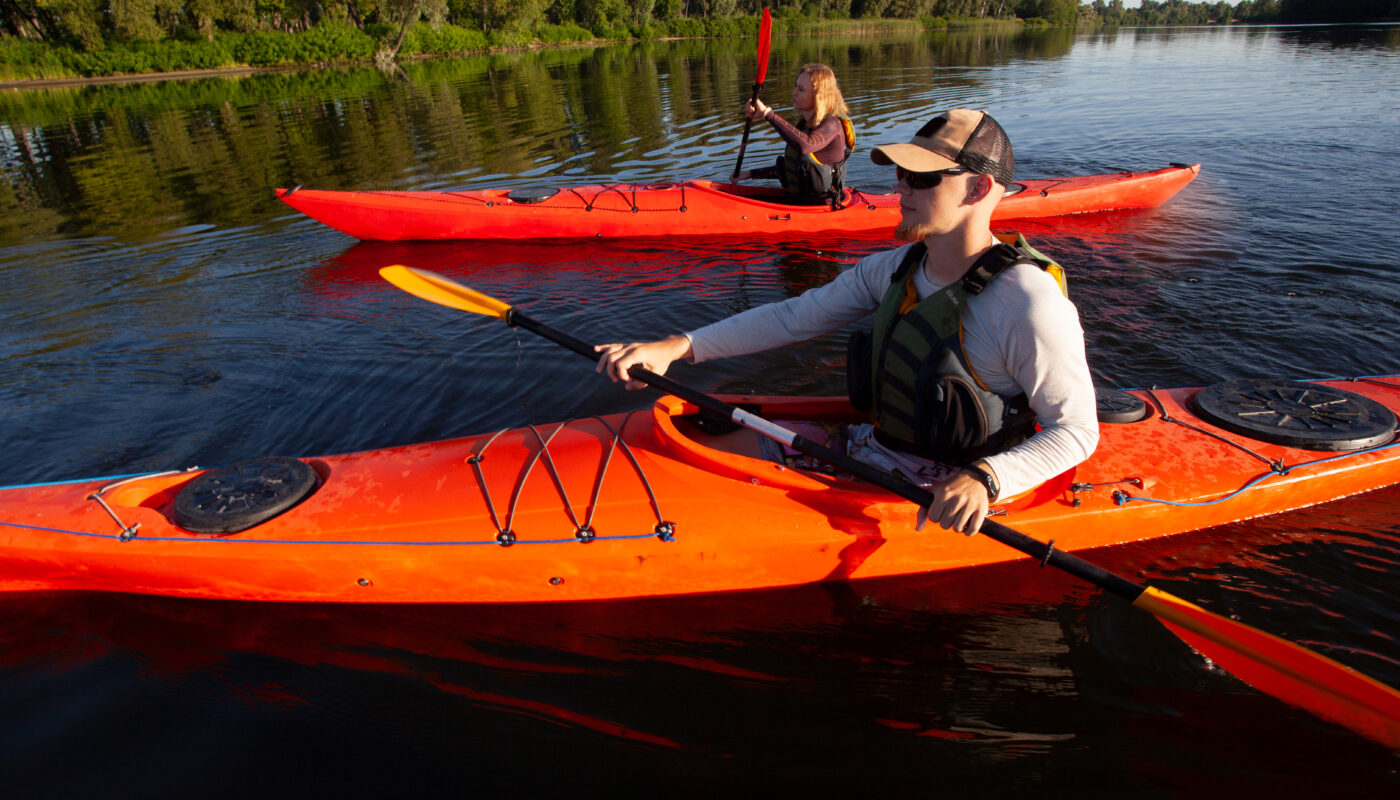
Touring Kayak
A proper sea or touring kayak is essential because it offers:
- Storage compartments
- Better stability
- Improved tracking over long distances
Short recreational kayaks are generally unsuitable for wilderness expeditions.
Dry Bags
Keeping equipment dry is one of the most important parts of expedition kayaking.
Use dry bags for:
- Clothing
- Sleeping gear
- Electronics
- Food supplies
Camping Equipment
Lightweight gear is ideal because storage space is limited.
Typical essentials include:
- Tent
- Sleeping bag
- Sleeping pad
- Portable stove
- Water filtration system
Safety Equipment
Never underestimate fjord environments.
Important items include:
- Personal flotation device (PFD)
- Navigation tools
- First aid kit
- Emergency communication device
- Spare paddle
Planning a Multi-Day Route
Good planning can determine whether a trip feels enjoyable or stressful.
Consider Daily Distance
Paddling distances depend on:
- Fitness level
- Wind conditions
- Current strength
- Kayak weight
Many paddlers average:
- 15–30 kilometers per day
Overestimating distance is a common beginner mistake.
Study Weather Patterns
Fjord weather changes quickly.
Morning conditions may be calm, while afternoons become windy and rough.
Always monitor:
- Wind forecasts
- Tide changes
- Rain systems
- Temperature fluctuations
Identify Campsites in Advance
Not every shoreline is suitable for camping.
Ideal campsites offer:
- Flat ground
- Protection from wind
- Safe landing areas
- Access to fresh water
Wildlife Encounters
Being close to animals is one of the best benefits of fjord kayaking.
Depending on the region, you may see:
- Seals resting on rocks
- Dolphins swimming near kayaks
- Eagles circling overhead
- Whales surfacing nearby
Because kayaks move quietly, wildlife encounters often feel more intimate than those from larger boats.
However, respecting wildlife distance is essential.
Challenges of Fjord Kayak-Camping
Despite its beauty, fjord kayaking is demanding.
Weather Exposure
Wind can create difficult paddling conditions quickly.
Cold temperatures and rain can also become dangerous without proper gear.
Physical Fatigue
Paddling for multiple consecutive days requires endurance.
Fatigue builds gradually, especially when carrying loaded kayaks.
Isolation
Remote fjord regions may have:
- No mobile signal
- No nearby roads
- Limited rescue access
This requires strong self-sufficiency and careful preparation.
The Emotional Experience of Wilderness Kayaking
What makes kayak-camping unforgettable is not just the scenery—it is the rhythm of the journey.
Your days become simple:
- Paddle
- Observe
- Camp
- Rest
- Repeat
Without traffic, crowds, or constant digital distractions, your attention shifts toward:
- Weather changes
- Water movement
- Wildlife sounds
- Light on the mountains
Many travelers describe multi-day fjord kayaking as deeply calming despite the physical effort involved.
Sustainability and Responsible Travel
Fjord ecosystems are fragile and should be treated with care.
Responsible practices include:
- Leaving no trash behind
- Camping only in appropriate areas
- Avoiding disturbance to wildlife
- Minimizing campfire impact
- Using biodegradable products when possible
The goal is to leave the environment exactly as you found it.
Best Seasons for Fjord Kayaking
The ideal season depends on the destination.
Norway
- Late spring to early autumn
- Long daylight hours in summer
Patagonia
- Southern Hemisphere summer (December–March)
New Zealand
- November to April
Alaska
- Summer months with milder temperatures
Weather remains unpredictable in all fjord regions, regardless of season.
Guided vs Independent Expeditions
Guided Trips
Best for:
- Beginners
- Travelers unfamiliar with local conditions
- Those seeking logistical support
Advantages include:
- Safety guidance
- Equipment provided
- Local knowledge
Independent Trips
Best for:
- Experienced paddlers
- Adventurous travelers
- Those seeking complete freedom
Independent trips require stronger navigation and wilderness skills.
Final Thoughts
Kayak-camping in fjords is one of the most immersive wilderness experiences available to travelers. It combines movement, exploration, and self-reliance in a way few adventures can match.
Unlike fast-paced tourism, these journeys unfold slowly. You travel at the speed of your paddle, shaped by weather, tides, and daylight. The experience becomes less about reaching a destination and more about existing within the landscape itself.
Whether gliding beneath Norway’s towering cliffs, navigating Patagonia’s glacier-filled channels, or camping beside the misty waters of New Zealand’s fiords, every expedition offers a rare opportunity to disconnect from modern routines and reconnect with the natural world.
And perhaps that is the greatest reward of all: not just seeing wilderness, but living within it for a little while.