 by
by Few places on Earth are as photogenic as the world’s fjords. Towering cliffs, cascading waterfalls, emerald forests, snow-capped peaks, and mirror-like waters combine to create breathtaking landscapes that attract photographers from across the globe. During summer, fjord destinations such as Norway’s Geirangerfjord, Sognefjord, Hardangerfjord, New Zealand’s Milford Sound, Iceland’s Westfjords, and the dramatic inlets of Chile and Canada offer long daylight hours, lush greenery, and ideal conditions for outdoor exploration.
However, summer also brings one of the greatest challenges for landscape photographers: harsh light. Bright midday sunshine can create blown-out highlights, deep shadows, excessive contrast, reflections on water, and washed-out colors. While these conditions can be frustrating, understanding how light behaves in fjord environments allows photographers to transform seemingly difficult situations into opportunities for striking images.
This guide explores practical techniques for photographing fjords during the bright summer months, explaining how to manage harsh light, choose the best shooting times, use equipment effectively, and compose compelling images regardless of weather conditions.
Why Summer Light Is Different
Summer sunlight behaves differently than during spring, autumn, or winter.
Several factors contribute:
- Longer daylight hours
- Higher sun angles
- Stronger direct sunlight
- Increased reflections
- Greater contrast
In northern fjord regions like Norway, daylight may last well into the evening, providing extended opportunities for photography.
Understanding Harsh Light
Harsh light occurs when sunlight shines directly onto a scene from a high angle.
Characteristics include:
- Bright highlights
- Dark shadows
- High contrast
- Reduced detail
- Strong reflections
- Flat colors
Although many photographers avoid these conditions, they can also create dramatic and powerful compositions.
Why Fjords Present Unique Lighting Challenges
Fjord landscapes naturally contain extreme contrasts.
Common elements include:
- Bright waterfalls
- Dark cliffs
- Reflective water
- Snow patches
- Dense forests
Capturing all these features within a single exposure requires careful planning.
Golden Hour: The Photographer’s Favorite Time
The best light usually occurs shortly after sunrise and before sunset.
Benefits include:
- Soft shadows
- Warm colors
- Reduced contrast
- Gentle reflections
- Better texture
During summer in northern regions, golden hour may last considerably longer than in lower latitudes.
Blue Hour Beauty
Blue hour occurs before sunrise and after sunset.
It offers:
- Soft blue tones
- Calm water
- Balanced exposures
- Atmospheric landscapes
Fjord villages illuminated during blue hour create particularly memorable photographs.
Midday Isn’t Always Bad
Many photographers avoid midday entirely.
However, some subjects actually benefit from stronger sunlight.
Examples include:
- Waterfalls inside shaded valleys
- Bright alpine flowers
- Deep blue skies
- Dramatic cliff textures
Learning when harsh light works is an important skill.
Use Clouds to Your Advantage
Cloud cover acts as a giant natural diffuser.
Benefits include:
- Softer shadows
- Richer colors
- More balanced exposures
- Better detail
Many professional landscape photographers welcome overcast weather.
Polarizing Filters
One of the most useful accessories for fjord photography is a circular polarizing filter.
It helps:
- Reduce glare
- Deepen blue skies
- Enhance cloud contrast
- Reveal underwater rocks
- Improve foliage colors
Rotate the filter while composing to achieve the desired effect.
Neutral Density Filters
Neutral Density (ND) filters reduce the amount of light entering the camera.
This allows:
- Long exposures
- Silky waterfalls
- Smooth water
- Motion blur in clouds
They are particularly useful during bright summer afternoons.
Graduated Neutral Density Filters
Graduated ND filters darken only part of the image.
They help balance:
- Bright skies
- Dark foregrounds
This is especially valuable when photographing fjords from elevated viewpoints.
Expose for the Highlights
Bright skies are often easier to lose than shadows.
A common technique is to expose for the brightest areas.
Shadow detail can frequently be recovered during editing.
Overexposed highlights usually cannot.
Shoot in RAW Format
RAW files preserve significantly more image data.
Advantages include:
- Better highlight recovery
- Improved shadow detail
- Flexible white balance
- Greater editing possibilities
Landscape photographers almost always prefer RAW over JPEG.
Watch the Histogram
Rather than relying only on your camera screen, monitor the histogram.
It provides a more accurate representation of exposure.
Avoid clipping:
- Highlights
- Shadows
Balanced histograms generally produce more editable files.
Use Exposure Bracketing
Exposure bracketing captures several images at different brightness levels.
These pictures can then be combined to create a single image.
This technique preserves:
- Sky detail
- Landscape textures
- Water reflections
Modern cameras often automate this process.
HDR Photography
High Dynamic Range (HDR) photography combines multiple exposures.
When used carefully, HDR can produce natural-looking images that resemble what the human eye sees.
Avoid excessive processing that creates unrealistic colors.
Look for Shade
Not every composition requires direct sunlight.
Photographing in shaded areas often results in:
- Softer contrast
- Better colors
- Easier exposures
Forests surrounding fjords provide excellent opportunities.
Make Reflections Work for You
Bright sunshine often increases reflections.
Rather than eliminating them, consider incorporating them into your composition.
Calm mornings produce spectacular mirror effects.
Photograph Waterfalls
Waterfalls remain among the best subjects during bright conditions.
Use:
- ND filters
- Tripod
- Slow shutter speeds
Silky flowing water contrasts beautifully with rugged cliffs.
Capture Details
Instead of photographing wide landscapes at midday, focus on smaller subjects.
Examples include:
- Wildflowers
- Moss
- Rock textures
- Boats
- Historic buildings
- Forest paths
Close-up photography often handles harsh light better.
Use Foreground Interest
Strong foregrounds create depth.
Good foreground elements include:
- Rocks
- Flowers
- Driftwood
- Shorelines
- Streams
These guide the viewer into the scene.
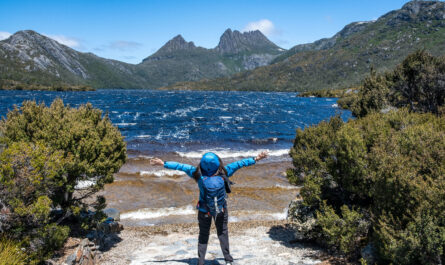
Include Human Scale
Adding people helps communicate the immense size of fjord landscapes.
Subjects may include:
- Hikers
- Kayakers
- Climbers
- Small boats
Always prioritize safety over dramatic positioning.
Composition Matters More Than Light
Excellent composition often outweighs perfect lighting.
Remember principles such as:
- Rule of thirds
- Leading lines
- Framing
- Balance
- Negative space
A compelling composition remains powerful under many lighting conditions.
Drone Photography
Where permitted, drones reveal extraordinary perspectives.
They showcase:
- Fjord geometry
- Winding coastlines
- Waterfalls
- Mountains
- Villages
Always follow local aviation regulations and protected-area restrictions.
Protect Your Equipment
Summer weather changes rapidly.
Carry:
- Rain cover
- Lens cloth
- Waterproof backpack
- Extra batteries
- Microfiber towel
Moisture from waterfalls can accumulate quickly on lenses.
Lens Choices
Wide-angle lenses work well for sweeping landscapes.
Popular focal lengths:
- 14–24 mm
- 16–35 mm
Telephoto lenses isolate:
- Waterfalls
- Wildlife
- Mountain textures
Many photographers carry both.
White Balance Tips
Auto white balance generally performs well.
However, manual adjustments can better preserve natural colors during sunrise and sunset.
Shoot RAW for maximum flexibility.
Working with Fog
Summer mornings occasionally produce fog.
Rather than viewing it as an obstacle, use it creatively.
Fog adds:
- Mood
- Mystery
- Depth
- Layering
Some of the most memorable fjord photographs feature partial mist.
Rain Can Improve Photographs
Many visitors hope for sunshine every day.
Ironically, light rain often enhances fjord photography.
Benefits include:
- Richer greens
- Dramatic clouds
- Waterfall intensity
- Cleaner air
Pack waterproof gear rather than avoiding poor weather.
Keep Your Lens Clean
Water spray from waterfalls and sea mist quickly creates spots.
Regularly inspect your lens.
Use:
- Microfiber cloth
- Air blower
- Lens cleaning solution
Small droplets become highly visible against bright skies.
Editing Summer Fjord Photos
Post-processing should enhance rather than transform reality.
Useful adjustments include:
- Highlight recovery
- Shadow lifting
- Contrast reduction
- White balance refinement
- Vibrance
- Lens correction
Maintain realistic colors.
Common Mistakes to Avoid
New photographers frequently:
- Shoot only at midday
- Ignore weather forecasts
- Over-edit HDR images
- Forget filters
- Underestimate reflections
- Skip tripod use
Awareness of these issues greatly improves results.
Ethical Landscape Photography
Protect fragile environments by following responsible photography practices.
Remember to:
- Stay on marked trails.
- Avoid damaging vegetation.
- Respect wildlife.
- Leave no litter.
- Follow drone regulations.
- Respect private property.
Great photographs should never come at the expense of nature.
Planning Ahead
Preparation often determines photographic success.
Before your trip:
- Study sunrise and sunset times.
- Check weather forecasts.
- Research viewpoints.
- Download offline maps.
- Monitor tide information where relevant.
Flexibility allows you to adapt to changing conditions.
Why Summer Is Still Worth It
Despite the challenges of harsh light, summer remains one of the most rewarding seasons for fjord photography. Long daylight hours provide exceptional flexibility, allowing photographers to explore multiple locations, wait for changing weather, and take advantage of extended golden hours in northern latitudes.
Summer also brings lush vegetation, vibrant wildflowers, full waterfalls fed by snowmelt, accessible hiking trails, and generally stable travel conditions. These elements combine to create spectacular compositions that are difficult to achieve during other seasons. By learning to manage strong sunlight through thoughtful timing, proper equipment, and careful exposure techniques, photographers can consistently produce stunning images throughout the day.
Conclusion
Summer fjord photography offers incredible opportunities to capture some of the world’s most dramatic landscapes, but success requires understanding and adapting to challenging lighting conditions. Harsh midday sun, deep shadows, bright reflections, and rapidly changing weather are all part of the fjord experience, yet they need not limit your creativity. Instead, they encourage photographers to refine their skills, experiment with composition, and make full use of both natural light and modern photographic tools.
Techniques such as shooting during golden and blue hours, using polarizing and neutral density filters, exposing carefully, photographing in RAW format, and embracing overcast or rainy conditions can dramatically improve image quality. Equally important are thoughtful composition, attention to foreground elements, ethical outdoor practices, and a willingness to adapt as conditions evolve.
Ultimately, the most memorable fjord photographs are not simply the result of perfect weather but of patience, preparation, and creative vision. Whether you’re capturing towering waterfalls, peaceful reflections, misty mountain peaks, or vibrant summer valleys, understanding how to work with harsh light will help you create compelling images that convey the grandeur and timeless beauty of these remarkable glacier-carved landscapes.