by
by Fjord hiking is one of the most unforgettable outdoor experiences in the world. Towering cliffs, deep blue waterways, cascading waterfalls, snow-covered peaks, and peaceful valleys create landscapes that seem almost unreal. However, the beauty of a fjord trail is not only determined by where you hike—it is also influenced by when you choose to start your journey.
The time of day can completely change your experience on a fjord trail. A sunrise hike may reward you with golden light reflecting across calm waters and empty viewpoints. A midday trek might offer the clearest mountain views and warmest temperatures. An evening adventure can provide dramatic sunsets, soft colors, and a sense of solitude after most visitors have left.
Popular fjord trails around the world attract thousands of hikers each year, including famous routes such as Norway’s Trolltunga, Preikestolen (Pulpit Rock), Kjeragbolten, and the trails surrounding Geirangerfjord and Nærøyfjord. Choosing the right hiking time can help you avoid crowds, improve photography conditions, increase safety, and create a more memorable connection with nature.
This guide explores the best time of day to hike popular fjord trails and explains how morning, afternoon, and evening conditions affect scenery, weather, crowds, and overall enjoyment.
Why Time of Day Matters on Fjord Trails
Fjord environments are highly influenced by natural conditions. Mountains create shadows, weather changes quickly, and coastal climates can shift within hours.
The time you begin your hike affects:
- Lighting conditions for photography
- Temperature and comfort
- Trail traffic
- Wildlife activity
- Visibility
- Safety
- Overall atmosphere
A trail that feels crowded and ordinary at noon may become magical during sunrise or sunset.
Early Morning: The Best Choice for Peace and Photography
For many fjord hikes, early morning is considered the ideal time to begin.
Starting between approximately 4:00 AM and 7:00 AM (depending on the season and location) offers several advantages.
Fewer Crowds
Popular fjord viewpoints often become busy later in the day.
Early hikers enjoy:
- Empty trails
- Quiet viewpoints
- More peaceful surroundings
- Better opportunities for personal photography
Standing alone above a fjord surrounded by mountains creates a completely different experience compared with arriving during peak tourist hours.
For famous locations such as Trolltunga and Preikestolen, arriving early can significantly improve your experience.
Beautiful Morning Light
Sunrise creates some of the best conditions for landscape photography.
Morning light provides:
- Soft golden tones
- Long shadows
- Atmospheric mountain layers
- Reflections on calm fjord waters
Because the sun is lower on the horizon, cliffs and waterfalls often appear more dramatic.
Photographers particularly enjoy early mornings because the light adds depth and texture to the landscape.
Calm Weather Conditions
Mornings frequently offer more stable weather.
Advantages include:
- Less wind
- Clearer reflections
- Cooler hiking temperatures
- Lower chance of afternoon cloud buildup
Fjords often look their most peaceful during the first hours after sunrise when the water surface is still.
Better Hiking Temperatures
During summer, fjord regions can become surprisingly warm during long climbs.
Morning hiking helps avoid:
- Strong midday sun
- Heat exhaustion
- Dehydration
- Fatigue during steep sections
This is especially important for demanding trails like Trolltunga, where the journey can take 8–12 hours.
Mid-Morning: A Good Balance for Comfort and Views
Starting between 8:00 AM and 10:00 AM is a popular choice for many hikers.
This timing provides a balance between comfortable conditions and reasonable trail traffic.
Advantages
Mid-morning offers:
- More daylight
- Easier transportation access
- Open facilities
- Warmer temperatures
- Good visibility
For travelers who are not interested in extremely early starts, this can be an excellent compromise.
Ideal for Families and Casual Hikers
Families, beginner hikers, and travelers with flexible schedules often prefer mid-morning.
Benefits include:
- No rushing before sunrise
- More time for preparation
- Easier parking
- Less challenging navigation
However, popular viewpoints may already begin filling with visitors.
Midday Hiking: Best for Visibility, But Not Always Experience
Between approximately 11:00 AM and 2:00 PM, many fjord trails experience their busiest period.
Although midday has some advantages, it also comes with challenges.
Advantages
The midday sun provides:
- Bright landscapes
- Clear mountain details
- Excellent visibility
On cloudy days, midday can sometimes offer the best chance of seeing distant peaks.
Disadvantages
More Crowds
Popular viewpoints become crowded.
You may encounter:
- Tour groups
- Long waits for photos
- Busy parking areas
- Crowded rest spots
At famous viewpoints, the peaceful wilderness atmosphere can temporarily disappear.
Stronger Sun Exposure
Mountain environments can intensify sunlight.
Hikers should prepare for:
- Sunburn
- Increased thirst
- Faster fatigue
Always carry water, sunscreen, and protective clothing.
Less Dramatic Photography
Direct overhead sunlight often creates:
- Harsh shadows
- Reduced contrast
- Less atmospheric depth
For photographers, sunrise and sunset usually provide more appealing conditions.
Afternoon Hiking: A Great Option for Late Starters
Starting between 2:00 PM and 4:00 PM can be surprisingly rewarding, especially during summer when daylight lasts much longer.
Benefits
Afternoon hiking offers:
- Declining crowds
- Softer light
- Cooler temperatures
- More peaceful viewpoints
Many day visitors leave popular trails after reaching their destinations earlier, creating a quieter atmosphere.
Watch the Return Time
The main consideration is daylight.
Before starting an afternoon hike, check:
- Sunset time
- Trail difficulty
- Weather forecast
- Estimated hiking duration
Some fjord routes require several hours, and descending after dark can be dangerous.
Evening Hiking: Perfect for Sunset Lovers
Evening hikes can provide some of the most memorable fjord experiences.
During summer in Scandinavia, especially near the Arctic Circle, daylight can extend late into the evening.
Sunset Photography
Evening light creates:
- Warm orange tones
- Pink skies
- Dramatic silhouettes
- Beautiful reflections
Mountain landscapes often appear softer and more emotional during sunset.
Fewer Visitors
After the main tourist period ends, trails become quieter.
You may experience:
- Empty viewpoints
- Peaceful landscapes
- Wildlife encounters
- A stronger sense of wilderness
Challenges
Evening hikes require planning.
Consider:
- Cooler temperatures
- Limited transportation
- Reduced visibility after sunset
- Carrying a headlamp
Always know your route before starting.
Best Time of Day for Famous Fjord Trails
Trolltunga, Norway
Trolltunga is one of Norway’s most iconic hikes.
The trail is:
- Long
- Physically demanding
- Popular
Best Time
Early morning is strongly recommended.
Benefits:
- Avoid crowds at the rock formation
- Cooler temperatures
- Better hiking conditions
- Improved photography
Sunrise hikers often experience a much quieter atmosphere.
Preikestolen (Pulpit Rock), Norway
This famous cliff overlooking Lysefjord attracts many visitors.
Best Time
Early morning or late evening.
Morning provides:
- Fewer people
- Soft light
- Calm conditions
Late afternoon offers:
- Golden-hour photography
- Reduced crowds
Midday is usually the busiest.
Kjeragbolten, Norway
This dramatic boulder suspended above Lysefjord requires a challenging hike.
Best Time
Morning start.
Reasons:
- Safer hiking temperatures
- More time for changing weather
- Less congestion near the boulder
Geirangerfjord Trails, Norway
The surrounding trails offer spectacular views of waterfalls and mountains.
Best Time
Morning or late afternoon.
These periods provide:
- Better photography
- Beautiful light
- Peaceful scenery
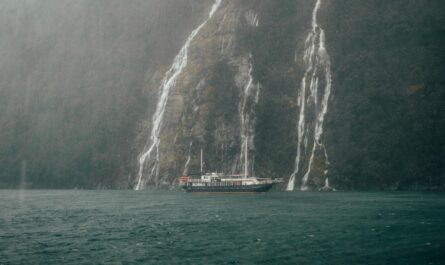
Milford Sound Trails, New Zealand
Although technically a fjord rather than a Scandinavian-style fjord, Milford Sound offers dramatic rainforest and mountain scenery.
Best Time
Early morning.
Advantages:
- Misty atmosphere
- Quiet trails
- Better wildlife opportunities
- Softer light
Seasonal Differences Affect the Best Hiking Time
The best time of day also depends on the season.
Summer Fjord Hiking
Summer offers extremely long daylight hours.
Best times:
- Early morning
- Late evening
Advantages:
- Extended hiking windows
- Comfortable temperatures
- Open trails
In northern Norway, hikers can experience the Midnight Sun.
Spring Fjord Hiking
Spring brings:
- Snowmelt
- Powerful waterfalls
- Fresh greenery
Best times:
- Late morning
- Early afternoon
Warmer daylight hours improve comfort, especially at higher elevations.
Autumn Fjord Hiking
Autumn is excellent for photography.
Best times:
- Morning
- Golden hour before sunset
Benefits:
- Colorful forests
- Lower crowds
- Dramatic skies
Winter Fjord Hiking
Winter requires extra caution.
Best times:
- Late morning
- Early afternoon
Reasons:
- Maximum daylight
- Better visibility
- Safer temperatures
Darkness arrives quickly, especially in northern regions.
Tips for Planning the Perfect Fjord Hike
Check Sunrise and Sunset Times
Daylight varies dramatically by location and season.
Always research:
- Sunrise time
- Sunset time
- Twilight duration
Consider Transportation
Early morning hikers should confirm:
- Bus schedules
- Parking availability
- Shuttle times
Some fjord destinations have limited transportation outside peak hours.
Pack for Changing Weather
Fjord climates can change quickly.
Bring:
- Waterproof jacket
- Warm layers
- Gloves
- Hat
- Food
- Water
- Navigation tools
Respect Nature and Local Rules
Fjord landscapes are fragile.
Practice responsible hiking by:
- Staying on marked trails
- Avoiding litter
- Respecting wildlife
- Leaving natural areas untouched
Final Thoughts
The best time of day to hike popular fjord trails depends on what you value most. For most travelers, early morning provides the ultimate combination of peaceful trails, beautiful lighting, comfortable temperatures, and unforgettable views. It is the ideal choice for photographers, adventure seekers, and anyone hoping to experience fjords without heavy crowds.
However, afternoon and evening hikes also have unique advantages. Late-day adventures can deliver stunning sunsets, quieter viewpoints, and a more intimate connection with the landscape. Midday hikes remain practical for travelers who prioritize convenience and clear visibility.
Whether you are standing above Norway’s dramatic cliffs, walking beside New Zealand’s misty fjords, or exploring remote coastal landscapes around the world, choosing the right time of day can transform your hike from a simple walk into a once-in-a-lifetime experience.
A fjord is not just a destination—it is a living landscape of light, water, mountains, and silence. Timing your visit wisely allows you to experience its true beauty at its most powerful moment.