 by
Fjords are among the most breathtaking natural landscapes in the world. With their deep stretches of seawater, towering mountains, dramatic cliffs, and peaceful surroundings, they attract millions of nature lovers and travelers. However, one feature makes many fjords particularly spectacular: waterfalls.
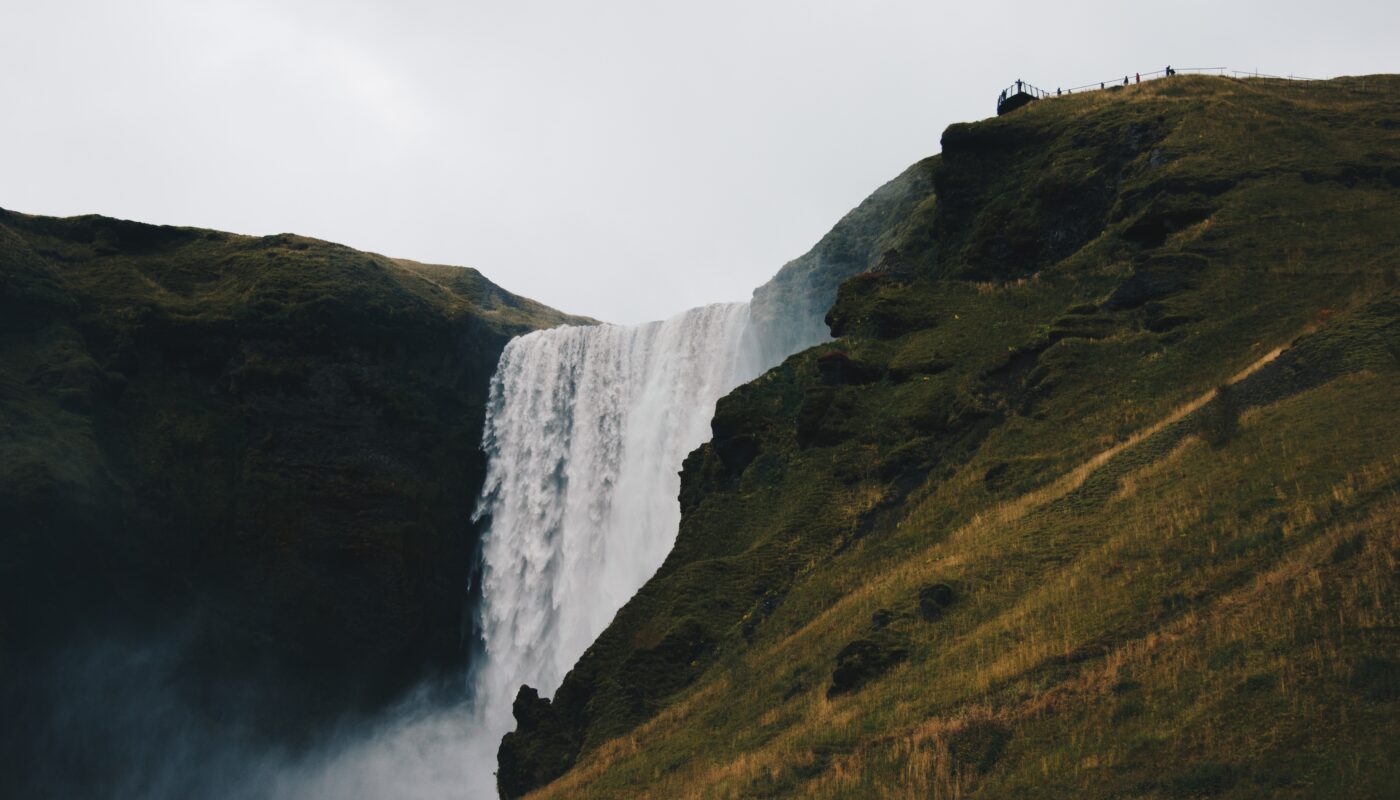
In famous fjord regions, especially in Norway, visitors often see streams of water falling from high mountain cliffs directly into the fjord below. Some waterfalls are enormous and powerful, while others are thin, delicate streams flowing down the rocks. During rainy weather or the snowmelt season, even more temporary waterfalls can suddenly appear.
This raises an interesting question: Why are there so many waterfalls in fjord landscapes?
The answer is closely connected to the way fjords were created. Ancient glaciers carved deep valleys into the land, mountains collected large amounts of rain and snow, and steep slopes gave water a fast route toward the sea. Together, these natural forces created ideal conditions for waterfalls.
Let us explore why fjords and waterfalls so often appear together and how glaciers, mountains, weather, and gravity have created these extraordinary landscapes.
The Story Begins with Glaciers
The main reason fjords have such dramatic waterfalls is their glacial history.
Thousands of years ago, during colder periods of Earth’s history, large areas of northern and southern regions were covered by massive glaciers. These glaciers slowly moved across the land. Although glaciers may appear still and solid, they are constantly moving at a very slow pace.
As they moved, they changed the landscape beneath them.
The enormous weight of the ice pressed against rocks and the ground. Rocks trapped beneath glaciers scraped against the land, while moving ice removed and carried away pieces of rock. Over very long periods, glaciers carved deep valleys through mountain regions.
When the climate became warmer, the glaciers melted and retreated.
Many of the deep valleys they had carved were later filled by seawater. These flooded glacial valleys became the fjords we see today.
But glaciers did more than create deep valleys. They also formed the steep cliffs and elevated side valleys that later became perfect locations for waterfalls.
Hanging Valleys Are One of the Biggest Reasons
One of the most important geological features behind fjord waterfalls is something called a hanging valley.
During the Ice Age, large glaciers traveled through the main valleys. Smaller glaciers also moved through nearby side valleys.
The large glacier in the main valley was much more powerful because it contained a greater volume of ice. It was able to carve its valley deeper into the landscape.
Meanwhile, the smaller glaciers in the side valleys did not have the same strength. They carved their valleys, but they could not reach the same depth as the main glacier.
After the glaciers melted, the difference became obvious.
The main valley was extremely deep, while the smaller side valleys remained much higher.
Streams flowing through these higher valleys eventually reached the edge of a cliff. Instead of continuing gradually toward the sea, the water suddenly had to drop into the much deeper valley below.
That drop created a waterfall.
This is why many waterfalls in fjord regions appear to fall from high mountain valleys directly toward the water. The waterfalls are often connected to ancient valleys that were shaped differently by glaciers thousands of years ago.
Fjord Mountains Are Extremely Steep
Another major reason for the abundance of waterfalls is the steepness of fjord landscapes.
Fjords are surrounded by mountains that can rise dramatically from the water. In some places, the distance between the top of a mountain and the surface of the fjord is enormous.
Water naturally moves from higher areas toward lower areas because of gravity.
In flat regions, rainwater may travel slowly across fields and valleys. It may form calm rivers and lakes before eventually reaching the sea.
In a fjord landscape, the situation is very different.
Water often begins high in the mountains and has a relatively short distance to travel before reaching sea level. Because the slopes are steep, streams can move rapidly.
When the water encounters a cliff or sudden drop, it forms a waterfall.
The combination of high mountains, steep cliffs, and deep valleys creates ideal conditions for water to fall vertically.
The more dramatic the landscape, the greater the possibility of dramatic waterfalls.
Rain Provides a Constant Supply of Water
A waterfall cannot exist without a reliable water source.
Fortunately, many fjord regions receive significant rainfall.
Fjords are often located near oceans, where the air contains large amounts of moisture. When moist air moves from the sea toward mountainous land, the mountains force the air to rise.
As the air rises higher, it becomes cooler.
The moisture inside the air then condenses and forms clouds. Eventually, rain or snow falls over the mountains.
This natural process means that mountainous coastal regions can receive large amounts of precipitation.
The rain falls across wide areas of mountains and valleys. Much of this water eventually flows downhill.
Since fjord landscapes have steep slopes, streams quickly move toward lower elevations. The water collects in small rivers and channels before flowing over cliffs.
After heavy rainfall, the number of visible waterfalls can increase dramatically.
A mountain that normally has only a few waterfalls may suddenly appear covered in flowing streams after a major storm.
Snowmelt Makes Waterfalls Stronger
Rain is only one source of water in fjord regions.
During winter, many mountains surrounding fjords receive heavy snowfall. Snow can remain on high slopes for several months.
When spring arrives and temperatures begin to rise, the snow starts melting.
This creates huge amounts of freshwater.
The melted snow flows through the mountains and enters streams, rivers, and lakes. Eventually, much of this water continues downhill toward the fjords.
This is why waterfalls can look particularly powerful during spring and early summer.
At this time of year, waterfalls may receive water from both rainfall and melting snow.
The amount of water flowing through a waterfall can change significantly from season to season.
During the snowmelt period, a waterfall may become wide, fast, and thunderous.
Later in the year, when much of the snow has disappeared, the same waterfall may become smaller.
Therefore, the appearance of fjord waterfalls is closely connected to the changing seasons.
Glacial Meltwater Can Also Feed Waterfalls
Some fjord regions still have glaciers in the surrounding mountains.
These glaciers can provide additional water when temperatures rise.
During warmer weather, ice and snow on the glacier surface begin to melt. The meltwater travels through channels, rivers, and streams.
Some of this water eventually reaches the fjords.
This creates an interesting connection between glaciers and waterfalls.
Ancient glaciers originally shaped the valleys and cliffs that made waterfalls possible. Modern glaciers can also continue to provide water for streams.
In other words, glaciers may influence fjord waterfalls in two different ways.
First, they shaped the landscape in the past.
Second, where glaciers still exist, they can contribute meltwater to the landscape today.
This relationship between ice, mountains, rivers, and waterfalls makes fjord ecosystems especially fascinating.
Water Naturally Drains Toward the Fjord
A fjord usually sits at a low point within a large mountainous area.
The mountains surrounding it act like a giant collection system for water.
Rain falls on the slopes.
Snow accumulates during winter.
Ice melts during warmer seasons.
Water gathers in streams and rivers.
Eventually, gravity pulls the water toward lower elevations.
For many mountain streams, the fjord becomes the final destination.
This means a single fjord may receive freshwater from numerous sources at the same time.
These can include:
- Rainwater from mountain slopes
- Melted snow
- Glacial water
- Small rivers
- Mountain lakes
- Underground springs
- Temporary streams after storms
Because there are so many sources of water, fjord landscapes can support a large number of waterfalls.
Every side valley may have its own stream.
Every high plateau may collect rain.
Every snowy mountain can release water during warmer months.
The entire landscape works together as a natural drainage system.
Short Distances Create Powerful Water Movement
One of the special features of fjord landscapes is the dramatic difference between mountain height and sea level.
Water may begin thousands of meters above the ocean.
However, the horizontal distance between the mountains and the fjord may be relatively short.
This means water can descend rapidly.
Imagine pouring water down a gently sloping surface. It will move slowly.
Now imagine pouring the same water down a steep wall. It will accelerate quickly.
Fjord landscapes are naturally steep, so streams often move with considerable speed.
When the water reaches a sudden break in the landscape, a waterfall forms.
The steep geography gives fjord waterfalls their energy and dramatic appearance.
Why Some Waterfalls Appear Only Occasionally
Not every waterfall in a fjord region flows throughout the entire year.
Some waterfalls are permanent because they are supplied by large rivers or lakes.
Others are seasonal.
Some may become active only when snow melts.
Others may appear after heavy rainstorms.
Temporary waterfalls are especially common on steep mountain walls.
During intense rainfall, water can collect quickly on slopes and flow over the edges of cliffs.
For a short period, the mountain may be covered with dozens of streams.
As the weather becomes drier, many of these temporary waterfalls disappear.
This makes fjord scenery highly dynamic.
A visitor who returns to the same fjord at different times of the year may see a completely different landscape.
Spring may bring powerful waterfalls.
Summer may offer greener mountains and moderate water flow.
Autumn may bring rain-fed cascades.
Winter may freeze smaller waterfalls or reduce the flow of some streams.
The fjord is constantly changing.
Norway Is a Perfect Environment for Fjord Waterfalls
Norway is perhaps the country most strongly associated with fjords and waterfalls.
This is not accidental.
The country has a combination of natural features that are almost perfect for creating waterfalls.
First, Norway experienced extensive glaciation. Ancient glaciers carved deep valleys and shaped the dramatic coastline.
Second, western Norway has extremely steep mountains.
Third, the region receives plenty of rain in many areas.
Fourth, snow accumulates in higher locations during winter.
Finally, there are countless mountain streams and rivers.
All these elements work together.
Water collects high in the mountains and moves toward the deep fjords below.
Along the way, it encounters steep cliffs and sudden drops.
The result is a landscape filled with waterfalls.
Famous fjords such as Geirangerfjord are internationally admired partly because waterfalls are such an important part of the scenery.
The waterfalls are not separate attractions added to the landscape. They are a natural result of the geography of the fjord itself.
Waterfalls Connect the Mountains to the Sea
A waterfall in a fjord is more than simply water falling from a cliff.
It represents a connection between different parts of the natural environment.
The journey may begin as snow on a mountain.
The snow melts and becomes freshwater.
The water enters a stream.
The stream travels through a valley.
Finally, the water plunges down a cliff and enters the fjord.
From there, freshwater mixes with seawater.
This creates a direct connection between:
Mountains → Snow → Streams → Waterfalls → Fjords → Ocean
This continuous movement of water is one of the most important natural processes in fjord ecosystems.
The waterfall is simply the most visible and dramatic part of that journey.
Waterfalls Tell the Geological History of Fjords
Perhaps the most fascinating thing about fjord waterfalls is that they reveal the history of the landscape.
A waterfall flowing from a high side valley can show us where a smaller glacier once existed.
The deep fjord below shows where a much larger glacier carved the land.
The difference in height between the two valleys explains why the waterfall exists.
Therefore, when we look at a fjord waterfall, we are also looking at evidence of the Ice Age.
The water may be flowing today, but the cliffs guiding that water were shaped thousands of years ago.
This makes fjord waterfalls a meeting point between the ancient and the modern.
Ancient glaciers created the structure.
Modern rain, snow, and melting ice continue to bring the landscape to life.
Climate Change May Affect Fjord Waterfalls
Fjord waterfalls are also connected to changing climate conditions.
As temperatures rise, the timing of snowmelt may change.
Some areas may experience earlier melting in spring.
Glaciers may continue to shrink, which can eventually affect the amount of meltwater available during warmer months.
Rainfall patterns may also become less predictable in some regions.
Certain places could experience heavier storms, leading to more powerful temporary waterfalls.
Other areas could experience longer dry periods, reducing water flow.
This means that fjord waterfalls may not remain exactly the same in the future.
The landscapes may appear ancient and permanent, but the amount of water moving through them is constantly influenced by weather and climate.
Conclusion
Fjords have so many waterfalls because they possess a unique combination of natural conditions.
Ancient glaciers carved deep valleys and created steep cliffs. Smaller side valleys remained high above the main valleys, forming hanging valleys where streams could fall dramatically.
The surrounding mountains collect rain and snow. During warmer months, melting snow and ice add even more water to the landscape.
Gravity then pulls this water rapidly downward.
The result is a spectacular natural scene: water flowing from high mountains and plunging toward deep fjords below.
The waterfalls of fjord regions are therefore not random features.
They are the result of a long and fascinating relationship between glaciers, mountains, weather, water, and gravity.
Every waterfall has a story.
Its path may have been shaped by glaciers thousands of years ago. Its water may come from yesterday’s rainfall, last winter’s snow, or melting ice high in the mountains.
That combination of ancient geological history and constantly moving water is what makes fjord landscapes so extraordinary.
When visitors stand beside a fjord and watch waterfalls rushing down the surrounding cliffs, they are seeing nature in continuous motion.
The mountains tell the story of the past.
The waterfalls tell the story of the present.
Together, they create some of the most magnificent landscapes on Earth.