by
A family holiday becomes truly memorable when every member finds something to enjoy. Children might remember the excitement of spotting a waterfall from a boat, the sound of a train traveling through a mountain tunnel, or the discovery of a tiny village beside a vast stretch of water. Norway’s fjords offer countless opportunities for these experiences, bringing families close to nature without requiring every adventure to be physically demanding.
The fjord regions of Norway feature dramatic mountains, peaceful waterways, cascading waterfalls, green valleys, and settlements surrounded by extraordinary scenery. Families can explore these landscapes on sightseeing cruises, ride scenic trains, visit welcoming villages, and follow walking paths suited to their abilities. Older children may also enjoy supervised outdoor activities, while younger travelers can appreciate shorter excursions with plenty of breaks.
Planning a successful trip with children requires a different approach from planning a holiday for adults alone. Long journeys, unpredictable weather, expensive attractions, and overly ambitious schedules can quickly make travel exhausting. Choosing a suitable base, allowing time to rest, and selecting activities that match children’s interests can make the experience much more enjoyable.
This guide explores the best fjord destinations for families, explains what makes each place special, and provides practical ideas for creating a relaxed Norwegian adventure.
1. Nærøyfjord: A Peaceful Journey Through Dramatic Scenery
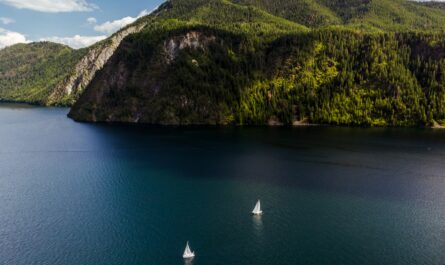
Nærøyfjord is a wonderful destination for families who want to experience Norway’s famous landscapes from the comfort of a boat. Surrounded by steep mountains and narrow valleys, this spectacular waterway offers a close-up view of nature’s scale and beauty.
During a cruise, children can watch waterfalls spilling down rocky slopes, observe isolated houses along the shoreline, and look for small boats moving across the water. The scenery changes throughout the journey, giving young passengers plenty of things to notice.
Parents can make the trip educational without turning it into a formal lesson. Explain how glaciers carved deep valleys long ago, or ask children to imagine what daily life might be like in a settlement surrounded by mountains. Older children can photograph the landscape or learn why some fjords are much narrower than others.
Gudvangen and Flåm are good starting points for exploring this region of Norway. Depending on the selected excursion, visitors may travel in one direction and return by another form of transport. Families should check departure times, journey duration, and connections before booking.
Why it suits families: The boat provides a relaxing way to appreciate spectacular scenery without the effort of a long hike.
Travel suggestion: Carry warm clothing, water, snacks, and a small activity for younger children. Wind on the water can make conditions feel colder than expected, even when the weather seems pleasant on land.
2. Flåm: A Family Destination Filled with Variety
Flåm is an excellent base for families who want to experience several attractions without changing accommodation constantly. Located beside Aurlandsfjord, the village combines beautiful waterfront scenery with access to railway journeys, boat excursions, and outdoor activities.
The Flåm Railway is a particular highlight. Its route passes through mountain scenery, tunnels, steep valleys, and impressive waterfalls. For children who enjoy trains, the journey can become one of the most exciting parts of the holiday.
Parents also benefit because a railway excursion allows the family to experience the landscape while seated comfortably. It offers a welcome alternative to days filled with walking, especially for younger children or travelers who prefer a slower pace.
Once back in Flåm, families can explore the village, enjoy a meal, take photographs beside the water, or arrange a separate fjord excursion. The village’s compact setting makes it easier to organize activities around meal times and rest periods.
Families traveling without a rental car may also find Flåm convenient because regional rail, bus, and boat services connect it with other destinations. However, services and departure times vary, so it is important to check connections before planning a busy day.
Why it suits families: Flåm offers a good balance of transport adventures, natural scenery, and relatively easy sightseeing.
Travel suggestion: If possible, spend two nights in the area. This provides flexibility if the weather changes and avoids the pressure of completing every activity in one day.
3. Geirangerfjord: Waterfalls That Capture Children’s Imagination
Geirangerfjord is famous for its towering mountains and waterfalls that descend toward the water. The Seven Sisters waterfall is one of the region’s best-known sights, making the fjord especially appealing to visitors who enjoy dramatic scenery.
A sightseeing cruise allows families to view the waterfalls from the water. Children can count the streams, watch the landscape unfold, and search for small farms or buildings perched on the surrounding slopes.
The journey can also inspire conversations about how people have adapted to living in mountainous areas. Parents might explain how isolated communities once relied on the landscape for farming, transport, and everyday survival.
After a cruise, families can spend time exploring the village, enjoying refreshments, or visiting a viewpoint that suits their abilities. The wider region contains many hiking opportunities, but some trails involve steep climbs, uneven ground, or exposed sections.
Parents should carefully assess the difficulty of any route before setting out with children. A famous viewpoint is not necessarily the right choice for a young child who is tired or inexperienced on mountain paths.
Why it suits families: Without engaging in an exhausting outdoor activity, the waterfalls offer a natural spectacle.
Travel suggestion: Choose a cruise duration that matches your children’s ages and attention spans. A shorter journey may be more rewarding than a longer excursion if younger travelers need frequent breaks.
4. Bergen: Combine City Comfort with a Fjord Cruise
Bergen is a practical choice for families who want to combine urban attractions with time on the water. The city offers restaurants, museums, waterfront walks, and transport connections, while nearby fjord excursions provide access to Norway’s remarkable natural scenery.
One option is a sightseeing cruise toward Mostraumen. Along the route, passengers may see steep rock formations, waterfalls, and narrow passages between the surrounding slopes.
This type of excursion works well for families with limited time because they can remain based in Bergen rather than moving between several remote locations. A boat trip can become the main activity for one day, leaving other days available for city sightseeing or relaxation.
Before choosing a cruise, check the expected duration, facilities, and whether indoor seating is available. These details matter when traveling with toddlers or children who may become uncomfortable in cold or windy conditions.
Bergen also offers alternatives if the weather changes. Families can rearrange outdoor plans and visit indoor attractions instead of relying entirely on a single activity.
Why it suits families: A city base makes it easier to find meals, accommodation, transport, and alternative activities.
Travel suggestion: Avoid scheduling several major attractions on the same day as your cruise. Leave enough time for a relaxed meal and an early evening if the children become tired.
5. Lysefjord: Mountain Views Without a Major Trek
Lysefjord, in southwestern Norway, is known for dramatic cliffs and impressive mountain scenery. The region attracts hikers, but families can enjoy its beauty without necessarily attempting a challenging trail.
A boat excursion provides a different perspective from the water. Passengers can admire the towering rock faces, observe the shapes of the surrounding mountains, and enjoy the contrast between the cliffs and the fjord.
The area is also famous for Preikestolen, or Pulpit Rock. Although the viewpoint attracts many visitors, reaching it involves a substantial hike. Families should consider the distance, elevation, terrain, weather, and the youngest child’s abilities before deciding whether it is appropriate.
For younger children, a sightseeing cruise or an easier local walk may offer a more comfortable experience. Older children with suitable hiking experience may enjoy a longer route when conditions are favorable and the family is properly prepared.
Why it suits families: Lysefjord provides impressive scenery and options for different energy levels, from relaxed boat trips to more adventurous outings.
Travel suggestion: Choose an activity based on your family’s abilities rather than its popularity on social media. A comfortable excursion can be more enjoyable than a difficult hike that leaves everyone exhausted.
6. Sognefjord: A Flexible Holiday for Several Days
Sognefjord is a strong option for families planning a longer visit to western Norway. Its extensive network of waterways, villages, valleys, and mountain landscapes offers enough variety to build a holiday around different interests.
One day might involve a boat journey, while another could feature a railway excursion or a walk through a village. Families can also spend time enjoying local food, taking photographs, and exploring the countryside without rushing between major attractions.
Flåm is one useful base within the broader region, although other locations may suit travelers looking for quieter surroundings or access to specific activities.
A multi-day stay allows parents to adjust plans when necessary. If the weather deteriorates or a child needs a quiet afternoon, the family can change the schedule without losing the opportunity to explore the region.
Staying in one place for several nights can also reduce the inconvenience of repeatedly packing luggage, particularly when traveling with babies and toddlers.
Why it suits families: The region offers a mixture of experiences and makes it easier to build a flexible itinerary.
Travel suggestion: Choose a small number of main attractions and allow free time between them. Children often enjoy unplanned discoveries as much as scheduled sightseeing.
7. Hardangerfjord: Enjoy the Norwegian Countryside
Hardangerfjord offers a different kind of family experience, combining mountain scenery with green valleys, fruit-growing areas, waterfalls, and small communities.
Families who enjoy countryside exploration may appreciate walking through villages, learning about regional food, and discovering how people live in areas surrounded by mountains and water.
Depending on the time of year, local farms and orchards may offer opportunities to discover seasonal produce. These experiences can be particularly enjoyable for children because they connect beautiful scenery with everyday life and food.
The wider region also has options for adventurous travelers, including demanding hikes and glacier-related activities. Such experiences require additional planning and may have age restrictions, equipment requirements, or specific safety conditions.
For a relaxed family day, parents might choose a scenic drive, a short walk, and a stop in a village rather than attempting several distant attractions.
Why it suits families: Hardangerfjord combines natural beauty with opportunities to discover rural life and local produce.
Travel suggestion: Check seasonal opening times before visiting farms, orchards, or other attractions. Not every activity is available throughout the year.
8. Choosing Activities According to Your Children’s Ages
A successful family itinerary should reflect the needs of the children traveling with you. Their ages can provide a useful starting point, but interests, confidence, fitness, and previous travel experience are equally important.
Babies and Toddlers
Families with very young children should prioritize shorter journeys, flexible schedules, and accommodation with practical facilities. Scenic train rides, brief boat trips, and gentle village walks may be easier than full-day excursions.
Check whether boats offer indoor seating, toilets, and space for baby equipment. A stroller may be useful around villages, while a suitable baby carrier may be more practical on uneven paths.
Children Aged Four to Eight
Younger children often respond well to activities involving movement and visual discovery. Waterfalls, boats, trains, and short walks can provide plenty of excitement without requiring too much physical effort.
Parents can turn sightseeing into a simple game by asking children to find a waterfall, count boats, spot birds, or choose their favorite view.
Frequent breaks, snacks, and familiar routines can help prevent children from becoming overwhelmed.
Children Aged Nine to Twelve
Older children may enjoy longer excursions and activities that explain the landscape. They might be interested in how glaciers formed the fjords, why waterfalls change with the seasons, or how local communities developed.
Suitable guided activities, photography, and beginner-friendly cycling may also be appealing, depending on the child’s experience and the operator’s requirements.
Teenagers
Teenagers may prefer more active experiences, such as guided kayaking, cycling, photography, or longer hikes. These activities can add variety to a trip that would otherwise involve mostly sightseeing.
Before booking, confirm age limits, equipment requirements, weather restrictions, and the experience needed to participate safely.
9. When Should Families Visit Norway’s Fjords?
The best time for a family fjord holiday depends on the activities you want to enjoy, the weather you are comfortable with, and your preferred travel pace.
Summer is a popular period for family travel. Long daylight hours provide flexibility for sightseeing, and many seasonal excursions operate more frequently. However, popular destinations may be crowded, and accommodation can be more expensive.
Spring brings fresh greenery and impressive waterfalls in many areas. Temperatures may still be cool, and some mountain paths or seasonal attractions may not yet be accessible.
Autumn can offer colorful scenery and a quieter atmosphere in certain destinations. Families should prepare for shorter days and check whether tour operators have reduced their schedules.
Winter creates opportunities to experience snowy mountains and a different side of Norway. However, road conditions, limited daylight, and seasonal closures can affect travel. Families should organize their plans around confirmed activities and suitable transport.
Whatever the season, check local forecasts and departure information before setting out. Conditions can change quickly, especially in exposed mountain and coastal areas.
10. Essential Safety Advice for Families
Fjord landscapes are beautiful, but they are natural environments with risks that deserve attention. Cold water, steep terrain, slippery surfaces, and sudden weather changes can all affect family activities.
Keep children close to adults near the water and follow all boat crew instructions. Use required safety equipment and do not allow children to climb barriers or approach dangerous edges to take photographs.
Before hiking, check the route’s length, elevation, expected duration, and surface conditions. A trail that looks short on a map may involve steep sections or difficult terrain.
Dress in layers and carry waterproof clothing. Wind can make a boat deck feel much colder than a sheltered street, and rain may arrive even when the morning starts with sunshine.
Families should also carry water, snacks, essential medicines, and a small first-aid kit. If a child experiences motion sickness, ask a healthcare professional or pharmacist about suitable preventive measures before traveling.
Finally, respect the environment. Follow designated paths, remove rubbish, and observe wildlife without disturbing it.
11. What to Pack for a Family Fjord Adventure
Packing carefully can make daily excursions more comfortable, especially when traveling with young children.
Useful items include:
- Waterproof jackets and warm layers.
- Comfortable walking shoes with good grip.
- Hats and gloves when the weather requires them.
- Water bottles and easy-to-carry snacks.
- Sunscreen and sunglasses.
- Spare clothing for younger children.
- Essential personal medicines and a small first-aid kit.
- A compact book, drawing materials, or travel game.
- A phone or camera for photographs.
- A small backpack for older children who can carry their own belongings.
For longer boat trips, check whether food is available onboard and whether outside snacks are permitted. Families with dietary requirements should contact the operator before booking.
It is also worth checking luggage rules for trains and buses. Keeping bags manageable makes it easier to move between different forms of transport.
12. A Relaxed Three-Day Family Itinerary
Families who want a short introduction to Norway’s fjords could consider a three-day stay based around Flåm.
Day One: Settle into Flåm
Arrive, check into your accommodation, and explore the village at an easy pace. Walk beside the water, enjoy a family meal, and allow children time to recover from the journey.
Keeping the first day relatively free prevents the holiday from starting with unnecessary pressure.
Day Two: Ride the Flåm Railway
Make the railway journey your main activity. Enjoy the mountain scenery, take photographs, and leave time for a meal afterward.
If everyone still has energy, explore a local attraction or take a gentle walk. Otherwise, return to your accommodation for a relaxed evening.
Day Three: Explore a Fjord by Boat
Choose a suitable excursion on Nærøyfjord or Aurlandsfjord. Confirm the departure point, total journey time, and return arrangements before purchasing tickets.
After the excursion, enjoy a final walk or meal before continuing to your next destination.
This itinerary is a flexible starting point rather than a fixed package. Seasonal timetables, weather, and transport connections should be checked before booking.
13. How to Make a Fjord Holiday More Affordable
Norway can be an expensive destination, particularly when a family purchases several excursions and pays for transport, accommodation, and restaurant meals. Careful planning can help manage costs without removing the best experiences.
Select one major paid activity each day. A train journey or fjord cruise may be enough to fill much of the day. Combine it with free village walks and scenic stops.
Use a convenient base. Staying several nights in one location can reduce transport expenses and save time spent moving luggage.
Compare transport choices. Trains, buses, boats, and rental cars each have advantages. Consider the total cost, including parking, fuel, luggage, and child-seat requirements.
Prepare some meals. Accommodation with kitchen facilities can make breakfasts and simple dinners more affordable. Carrying snacks is also helpful between excursions.
Check ticket conditions. Popular summer activities may fill up in advance. Read cancellation policies carefully, especially when weather could affect your plans.
Choose activities that match your children. Paying for a long excursion that leaves younger children exhausted may offer less value than choosing a shorter experience everyone enjoys.
The purpose of budget planning is not to avoid every paid attraction. It is to spend money on experiences that genuinely suit your family.
Conclusion
Norway’s fjords provide an exceptional setting for a family holiday, combining extraordinary scenery with opportunities for adventure, learning, and relaxation. Nærøyfjord offers a memorable boat journey, Flåm brings together railway and fjord experiences, Geirangerfjord impresses with its waterfalls, and Bergen provides convenient access to sightseeing cruises.
Families planning a longer stay can explore the variety of Sognefjord or enjoy the countryside around Hardangerfjord. Those interested in dramatic cliffs can consider Lysefjord, choosing an activity that matches their children’s abilities.
The secret to an enjoyable family trip is not visiting the largest number of attractions. It is choosing experiences that fit the family, allowing enough time to rest, and staying flexible when weather or energy levels change.
With thoughtful planning, practical clothing, sensible safety precautions, and room for spontaneous discoveries, a fjord holiday can introduce children to some of Europe’s most remarkable landscapes and create memories that last long after the journey ends.