 by
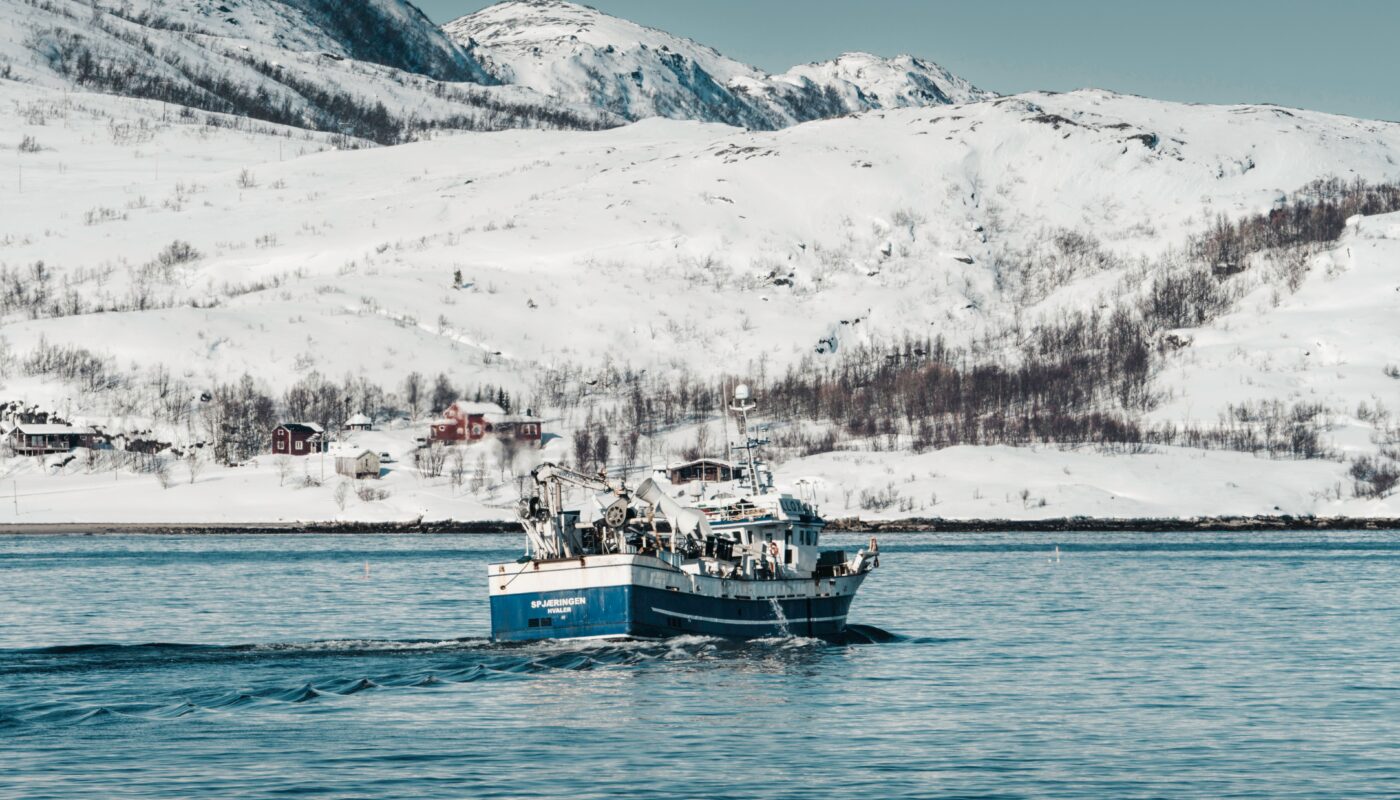
Norwegian fjords are famous for their dramatic mountains, deep blue water, snow-covered cliffs, and peaceful winter landscapes. During the colder months, these destinations can look especially beautiful, with snow resting on mountain peaks and small villages glowing beneath the winter sky. For travelers, photographers, and boating enthusiasts, exploring a fjord by boat in winter can be an unforgettable experience.
However, winter also introduces challenges that are less noticeable during summer. Temperatures drop, daylight becomes limited in northern regions, winds can strengthen quickly, and icy conditions may affect boats, decks, and docks. Even a sheltered fjord can become dangerous when weather conditions change or a vessel is not suitable for the environment.
So, are fjords safe for boats in winter? Yes, many fjords can be navigated safely during winter when conditions are suitable and the vessel is properly equipped. However, winter boating requires careful planning, local knowledge, and a realistic understanding of the risks. Safety is never guaranteed simply because the water appears calm or the surrounding mountains provide shelter.
This guide explains the main winter boating hazards, the differences between commercial cruises and private boats, the importance of weather forecasts, and the precautions that help make a winter fjord journey safer.
1. Why Winter Boating in Fjords Can Be Challenging
A fjord is a long, often narrow inlet connected to the sea and surrounded by steep land. Its geography can offer some protection from open-ocean waves, but that protection varies considerably from one location to another.
In winter, several environmental factors can affect navigation.
Cold temperatures and freezing conditions
Cold air and cold water create serious risks for anyone traveling by boat. If a person falls overboard, cold-water immersion can quickly impair movement and decision-making. Swimming ability alone is not a reliable safeguard against cold-water emergencies.
Low temperatures can also affect engines, batteries, fuel systems, exposed equipment, and onboard plumbing. Snow and freezing rain may cover walkways and decks, creating slippery surfaces for passengers and crew.
According to the Norwegian Maritime Authority, winter conditions can cause preventable injuries aboard vessels, particularly when ice accumulates on decks, gangways, and other working areas. Appropriate footwear, lighting, and ice removal are important precautions. Source: Norwegian Maritime Authority.
Rapidly changing weather
Winter weather can change faster than inexperienced visitors expect. A calm morning does not guarantee a calm afternoon. Strong winds, falling temperatures, heavy precipitation, and reduced visibility can complicate a journey.
The Norwegian Maritime Authority identifies winter as a particularly exposed season because powerful low-pressure systems commonly affect the Norwegian coast. Source: Norwegian Maritime Authority.
A fjord may provide shelter in one section while another section experiences stronger winds or rougher water. The skipper must consider the entire route rather than judging conditions from a single viewpoint.
Limited daylight
In December and January, daylight hours are short across much of Norway. In the far north, winter daylight can be extremely limited, and some locations experience polar night.
Reduced daylight makes it harder to identify floating objects, navigate unfamiliar waters, recognize shorelines, and respond to unexpected obstacles. Fog, snowfall, and dark mountain shadows can make visibility even more difficult.
For this reason, a winter trip should be planned around realistic travel times, available daylight, and the possibility of delays.
2. Are Norwegian Fjords Protected From Strong Waves?
One common misconception is that fjords are always calm because they are surrounded by mountains. Although many fjords have sheltered sections, their water conditions are influenced by wind direction, the shape of the coastline, currents, tides, and connections to the open sea.
A narrow section may offer protection from winds blowing across the surrounding mountains, but a wind aligned with the length of the fjord can still generate waves. Exposed entrances and wider stretches may experience more difficult conditions.
Wind can also funnel through valleys and narrow passages, creating localized gusts. These conditions may surprise people who assume that steep cliffs automatically make the entire fjord safe.
Water levels are another consideration. Tides and weather-related changes can combine to produce unusually high water levels. The Norwegian Meteorological Institute explains that low pressure and strong winds can contribute to storm surges, including in fjords. Winter is a season when powerful low-pressure systems and storm surges are particularly relevant. Source: Norwegian Meteorological Institute.
The key lesson: sheltered water is not the same as risk-free water. Local forecasts and route-specific information are essential before departure.
3. Can Boats Encounter Ice in Norwegian Fjords?
Ice is an important winter consideration, but it does not form equally in every Norwegian fjord. Many coastal fjords remain navigable throughout winter, while some sheltered areas, smaller inlets, and inland waterways may experience ice formation under suitable conditions.
The likelihood of ice depends on several factors:
- Geographical location: Northern and inland areas may experience colder conditions than some western coastal locations.
- Water salinity: Saltwater generally freezes at a lower temperature than freshwater.
- Freshwater inflow: Rivers and melting snow can influence local water conditions.
- Air temperature: Extended cold periods increase the possibility of ice forming.
- Wind and currents: Moving water can delay ice formation or redistribute existing ice.
Ice can create problems even when it does not cover an entire fjord. Floating pieces may damage unsuitable hulls, obstruct narrow passages, or become difficult to see in poor visibility.
Ice formation also affects smaller boats differently from larger, professionally operated vessels. A recreational boat should never be assumed to be ice-capable merely because it has a powerful engine.
Before traveling, operators should establish whether ice is present along the intended route and whether their vessel is designed for the expected conditions. If the route contains ice that exceeds the vessel’s capabilities, the journey should be postponed or changed.
4. Are Winter Fjord Cruises Safer Than Private Boating?
For visitors with little or no boating experience, a professionally operated fjord cruise is often a more suitable choice than renting a boat and navigating independently.
Commercial operators may have trained crews, established routes, suitable vessels, navigation equipment, and procedures for dealing with changing weather. Their teams can also decide to delay, alter, or cancel a departure when conditions are unsuitable.
Nevertheless, a commercial cruise is not automatically safe in every situation. Passengers should select reputable operators, follow crew instructions, and understand that a scheduled excursion may change because of weather.
Advantages of commercial winter cruises
A professionally operated cruise can offer:
- Experienced local skippers and trained crew.
- Vessels selected for their intended operating conditions.
- Established safety procedures and emergency equipment.
- Better access to local weather and navigation information.
- Less responsibility for visitors unfamiliar with Norwegian waters.
Norway’s Coastal Administration provides safety information for cruise operators and highlights the challenges of navigating Norwegian coastal waters, particularly during winter. Source: Norwegian Coastal Administration.
What about private boats?
Private boating can be enjoyable, but the risks are greater when the operator lacks local knowledge or winter experience. A small open motorboat may have limited stability and little protection from cold weather. A sudden change in wind or waves can leave the occupants with very little time to react.
The Norwegian Maritime Authority has also highlighted serious incidents involving rental boats and visitors unfamiliar with local waters. Its guidance emphasizes the importance of suitable vessels, weather assessment, safety information, and experienced operators. Source: Norwegian Maritime Authority.
If you have never operated a boat in cold, exposed waters, hiring a qualified local skipper is generally a more sensible option than navigating independently.
5. The Most Important Winter Boating Hazards
Understanding the main hazards helps boaters make informed decisions before leaving the harbor.
Strong winds and rough water
Strong winds can affect steering, increase waves, and make docking difficult. In exposed sections, wave patterns may become steep or confused, especially when currents and winds interact.
A boat that performs comfortably in summer conditions may not be suitable for a winter storm. Operators must follow the vessel’s limitations and avoid relying on engine power alone to overcome unsafe weather.
Snow, fog, and poor visibility
Snowfall, fog, and low light can obscure landmarks and navigation markers. Reduced visibility may also make it harder to see other vessels or floating debris.
Navigation lights, charts, radar where appropriate, and other equipment can help, but technology cannot eliminate every risk. The operator must understand how to use the equipment and recognize when conditions make continued travel unwise.
Slippery decks and docks
Snow, frost, and freezing rain can turn boarding areas into hazardous surfaces. Passengers may slip while stepping between a dock and a boat, particularly when carrying bags or moving on an unfamiliar vessel.
Wear shoes with good grip, use handrails, and follow crew instructions when boarding or disembarking. Avoid rushing, and be particularly careful around gangways and exposed steps.
Cold-water emergencies
Cold water is one of the most serious risks of winter boating. A person who falls into the water may lose useful movement and coordination, making it difficult to climb back aboard.
Wear an appropriate life jacket whenever required and follow the vessel’s safety guidance. Suitable thermal clothing can provide additional protection, but it is not a substitute for avoiding unnecessary exposure or wearing proper flotation equipment.
Mechanical problems
Low temperatures can expose weaknesses in engines, batteries, fuel systems, and other equipment. A mechanical failure in an isolated fjord can be more serious during winter because help may take longer to arrive and occupants may be exposed to cold conditions.
A pre-departure inspection and an emergency plan are essential for private operators.
6. Which Fjords Are Suitable for Winter Boat Trips?
No fjord should be described as universally safe throughout winter. Conditions vary daily, and suitability depends on the vessel, route, weather, and operator. Nevertheless, some well-known Norwegian destinations offer organized winter boat excursions when operating conditions permit.
Nærøyfjord
Nærøyfjord is known for its narrow passages and steep mountainsides. Winter scenery can be spectacular, particularly when snow covers the surrounding peaks.
Its narrow geography may offer shelter in certain conditions, but that does not mean the entire route is protected from wind, poor visibility, or other hazards. Travelers should look for an established excursion with a clear operating policy for adverse weather.
Aurlandsfjord
Aurlandsfjord provides access to dramatic mountain landscapes and settlements around the Flåm area. It can be an attractive destination for visitors who want to experience fjord scenery without planning an independent boating journey.
Choose an operator that assesses weather and vessel suitability rather than selecting a trip based on scenery alone.
Geirangerfjord
Geirangerfjord is famous for its waterfalls, steep cliffs, and mountain viewpoints. Winter conditions can bring snow-covered scenery, but access, services, and excursion schedules may differ from the summer season.
Visitors should confirm that the specific boat service operates on their chosen date and check whether weather-related changes are possible.
Sognefjord
Sognefjord is an extensive fjord system with a variety of coastal and inner-fjord environments. Conditions may differ considerably between its sections.
The safest choice is not necessarily the most famous route. A local operator can advise whether a particular section is suitable for a winter excursion on the day of travel.
In every destination, current operating information matters more than a general reputation for calm water.
7. How to Check Weather Before a Winter Boat Trip
Checking the forecast should be a routine part of every winter boating plan. Do not rely solely on a general weather app or a forecast for the nearest town.
Before departure, review:
- Wind speed and direction: Determine whether winds may create difficult conditions along the route.
- Wave conditions: Check expected wave heights and any warnings relevant to the area.
- Visibility: Look for forecasts of fog, heavy precipitation, or snowfall.
- Temperature: Consider the impact of cold conditions on passengers, equipment, and emergency response.
- Water levels and tides: Check whether changing water levels could affect mooring or local navigation.
- Navigation warnings: Review relevant official notices and restrictions.
- Local operator advice: Ask whether the route is operating normally and what conditions could cause cancellation.
The Norwegian Meteorological Institute provides information about weather and water levels, while the Norwegian Coastal Administration publishes navigational warnings. These official resources can support planning, but forecasts and warnings must be checked close to departure and interpreted for the actual route. Sources: Norwegian Meteorological Institute, Norwegian Coastal Administration.
Never interpret the absence of a warning as proof that conditions are safe. The vessel’s limits and the skipper’s judgment remain important.
8. Essential Safety Precautions for Winter Boating
Good preparation can reduce risk, although it cannot remove every danger.
Choose a suitable vessel
The boat must be appropriate for the intended route, weather, water conditions, and passenger load. Check the manufacturer’s operating limits and ensure that the vessel is maintained correctly.
A small recreational craft should not be taken into conditions beyond its design or the operator’s experience. The Norwegian Maritime Authority emphasizes that boats should only be used in waters and weather conditions for which they are suitable. Source: Norwegian Maritime Authority.
Wear suitable clothing
Dress in warm layers and use waterproof outerwear where appropriate. Gloves, hats, and footwear with good traction can improve comfort and reduce exposure.
Even on a short excursion, bring clothing suitable for the expected conditions. The temperature on the water may feel much colder than it does on land.
Carry and check safety equipment
Depending on the vessel and local requirements, equipment may include:
- Properly fitted life jackets or personal flotation devices.
- Reliable communication equipment.
- Navigation lights and suitable navigation tools.
- First-aid supplies.
- Emergency signaling equipment.
- A suitable means of contacting emergency services.
- Appropriate backup equipment for the vessel and route.
Make sure the equipment works and that everyone knows where it is stored.
Share the trip plan
Tell a responsible person where you intend to go and when you expect to return. If you are renting a boat, provide the route and expected return time to the rental operator.
For private trips, establish a procedure for reporting delays and responding if the boat does not return as planned.
Be willing to cancel
One of the most important safety decisions is knowing when not to leave the harbor. If the forecast is poor, the vessel is unsuitable, or the skipper is uncertain, postponing the trip is the sensible choice.
A missed excursion is far better than an avoidable emergency.
9. Is Winter the Best Season to Experience Fjords by Boat?
Winter offers a distinctive atmosphere that summer cannot reproduce. Snow-covered mountains, quiet settlements, crisp air, and softer daylight can create extraordinary scenery. In northern Norway, visitors may also have opportunities to see the northern lights from suitable locations, although visibility depends on darkness, cloud cover, and solar activity.
Winter may also bring fewer visitors to some destinations, creating a quieter travel experience. However, services can operate on reduced schedules, and weather may disrupt planned activities.
Summer usually offers longer daylight hours, milder temperatures, and more frequent tourist services. For travelers who want to operate a boat themselves, summer may be easier, particularly if they have limited experience.
For visitors whose main goal is sightseeing, a professionally operated winter cruise can provide a useful balance between enjoying the landscape and leaving navigation decisions to experienced personnel.
The best season depends on your priorities, but winter should be approached as a season that requires greater preparation rather than simply a colder version of summer.
10. Frequently Asked Questions
Can fjords freeze completely in winter?
Some sheltered waterways and sections of fjords can experience ice formation, but many Norwegian fjords remain navigable during winter. Freezing conditions depend on local temperature, salinity, currents, geography, and freshwater inflow. Check local information rather than assuming that a fjord will be either fully frozen or completely ice-free.
Are winter fjord cruises safe for tourists?
A professionally operated excursion can be a suitable option when conditions are appropriate and the operator follows sound safety practices. However, no trip is risk-free. Passengers should follow instructions, wear suitable clothing, and accept that the operator may change or cancel a trip.
Is it safe to rent a small boat in winter?
It may be possible in suitable conditions, but it is not advisable for inexperienced visitors to operate a small boat in unfamiliar winter waters. Cold water, limited daylight, changing weather, and mechanical problems can combine to create serious risks. Consider hiring a local skipper.
What happens if the weather suddenly becomes dangerous?
The skipper may change the route, return to a safe harbor, seek shelter, or cancel the journey. The appropriate response depends on the vessel’s location, capabilities, and the nature of the conditions. Passengers should follow crew instructions immediately.
Should I avoid winter fjord trips altogether?
Not necessarily. Many people enjoy winter fjord excursions safely when they choose suitable operators and conditions. The important distinction is between a carefully managed trip and an unprepared journey into challenging weather.
Conclusion
Fjords can be safe for boats in winter, but their safety depends on much more than their sheltered appearance. Strong winds, rapidly changing weather, limited daylight, cold water, ice, slippery decks, and mechanical problems all deserve serious consideration.
Commercial winter cruises can be a practical option for visitors who want to enjoy the scenery without managing navigation themselves. Private boating requires greater responsibility, suitable equipment, local knowledge, and experience with cold-weather conditions.
Before any journey, check official forecasts and navigation warnings, understand the limits of the vessel, and follow advice from experienced local operators. Most importantly, be prepared to postpone or cancel a trip when conditions are unsuitable.
With careful planning and sensible decisions, winter can be a rewarding time to experience Norway’s magnificent fjords. The goal is not to eliminate every uncertainty in nature, but to recognize the risks and make choices that prioritize the safety of everyone aboard.