by
Norway’s fjords are famous for their towering mountains, deep waterways, dramatic cliffs, and charming villages. During summer, these landscapes attract hikers looking for green valleys, scenic viewpoints, and long days outdoors. When winter arrives, the scenery changes dramatically. Snow settles across mountain slopes, waterfalls may develop icy edges, and the surrounding villages become quieter.
For travelers who enjoy outdoor adventures, winter raises an important question: Is it possible to hike around the fjords when temperatures drop and snow covers the mountains?
The answer is yes. Winter hiking is possible in many parts of Norway’s fjord region, but it requires more preparation than hiking during warmer months. Some paths remain suitable for short walks, while others become dangerous because of slippery surfaces, strong winds, avalanches, or limited daylight.
The key is understanding that not every fjord trail is appropriate for every visitor. A gentle walk near a village is very different from climbing a steep mountain covered in snow. Choosing the right route can make the difference between an enjoyable outdoor experience and a difficult situation.
This guide explores what winter fjord hiking is really like, which destinations are worth considering, how to prepare for changing conditions, and what beginners should know before setting out.
1. How Winter Changes the Fjord Landscape
Winter gives Norway’s fjords a completely different appearance. During warmer months, hillsides may be covered with green vegetation, while summer visitors enjoy long daylight hours and relatively accessible hiking paths. In winter, snow and ice transform the same environment into a colder and more dramatic landscape.
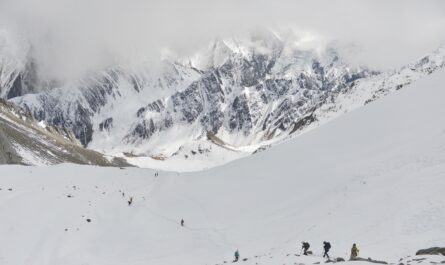
Mountain peaks often appear brighter against dark clouds, while the water below creates a striking contrast with the surrounding snow. In some locations, waterfalls partially freeze, forming unusual patterns of ice along rocky slopes.
The atmosphere can also feel quieter. Tourist numbers may be lower outside popular holiday periods, and small villages sometimes offer a more peaceful experience than during the busy summer season.
However, winter beauty comes with practical challenges. Snow can hide rocks, roots, and uneven ground. Ice may cover wooden bridges or stone steps, while fresh snowfall can make a familiar trail difficult to recognize.
Weather can also change rapidly. A clear morning may turn cloudy, windy, or snowy within a short period. In mountainous areas, visibility can deteriorate enough to make navigation difficult.
For this reason, winter hiking should be approached as a separate outdoor activity rather than simply a summer walk with warmer clothing. Preparation, route selection, and awareness of changing conditions are essential.
2. Which Norwegian Fjords Are Suitable for Winter Exploration?
Norway has numerous fjords, and each region offers a different combination of scenery, transport connections, and hiking opportunities. The most suitable destination depends on your experience, available time, and the conditions during your visit.
Aurlandsfjord: A Scenic Choice for Beginners
Aurlandsfjord is an appealing destination for travelers who want to experience dramatic fjord scenery without committing to a demanding mountain expedition.
The nearby village of Flåm provides accommodation, transport connections, and access to local activities. Visitors may find suitable walks near settlements or join organized winter excursions, depending on the weather and seasonal availability.
The surrounding mountains provide spectacular views, especially when snow highlights their shapes against the water. However, higher paths can become significantly more difficult than lower walking routes.
Beginners should choose a short route that has been confirmed as suitable for current conditions instead of relying on descriptions written for summer visitors.
Hardangerfjord: Mountains, Waterfalls, and Rural Scenery
Hardangerfjord combines steep mountains with small settlements, agricultural landscapes, and famous waterfalls. Winter can create impressive contrasts between snowy high ground and comparatively mild conditions closer to the water.
Visitors can explore suitable local walking paths or choose a guided outdoor activity. More demanding mountain routes require additional preparation, and seasonal access should always be checked.
Trolltunga, the famous rock formation above the fjord region, deserves particular caution. Its winter conditions are very different from those experienced during summer, and a winter expedition should only be considered with appropriate professional guidance and equipment.
Geirangerfjord: Dramatic Mountain Views
Geirangerfjord is known for its steep surrounding slopes, winding roads, and spectacular waterfalls. Winter snow can make the landscape especially striking.
Nevertheless, some roads and viewpoints have seasonal access restrictions, and not every summer hiking route remains suitable during winter.
Travelers should investigate local conditions before planning a walk. A shorter route near an accessible settlement may be a better choice than attempting to reach a remote viewpoint in poor weather.
Lysefjord: Rocky Scenery and Exposed Trails
Lysefjord offers dramatic rock formations and access to several well-known hiking areas. Its landscapes are attractive throughout the year, but winter can make exposed paths challenging.
Preikestolen, also called Pulpit Rock, is particularly popular in summer. During winter, snow, ice, strong winds, and reduced visibility may increase the difficulty substantially.
Visitors who lack winter hiking experience should seek current local advice or choose a guided trip rather than treating the route as an ordinary sightseeing walk.
3. What Types of Winter Hiking Can You Enjoy?
Winter fjord hiking does not necessarily involve climbing a mountain. There are several ways to experience the landscape, and choosing an appropriate activity helps make the trip safer and more enjoyable.
Short Walks Near the Water
Shoreline walks and paths near villages are often a practical starting point. They may provide excellent views without requiring a steep climb or several hours of walking.
These routes are suitable for travelers who want to photograph the scenery, explore local surroundings, or enjoy a short outdoor break between other activities.
However, lower elevation does not guarantee safety. Paths beside the water can still become icy, and strong coastal winds can make walking uncomfortable.
Forest Trails
Forested paths offer a different perspective on the fjords. Snow-covered branches, quiet streams, and filtered daylight can create an atmosphere that is very different from exposed mountain viewpoints.
Trees may offer some shelter from the wind, although forests are not completely protected from severe weather. Snow can conceal uneven ground, and frozen sections may increase the risk of slipping.
Stick to suitable established routes and avoid shortcuts through unfamiliar terrain.
Guided Snowshoeing
Snowshoeing is a useful option when there is enough suitable snow to make ordinary walking difficult. Snowshoes distribute body weight over a wider area, helping people travel across certain types of soft snow.
Guided snowshoeing trips are offered in some Norwegian mountain and fjord regions. A guide can help select an appropriate route, explain local conditions, and provide instructions on using the equipment.
Snowshoes are not a solution for every winter hazard. Hard ice, steep slopes, and avalanche terrain may require different equipment, skills, or route choices.
More Challenging Mountain Walks
Experienced hikers may choose more demanding winter excursions, but these require careful assessment.
Depending on the terrain, equipment may include insulated boots, suitable traction devices, trekking poles, navigation tools, and specialist mountaineering gear. Some routes also require avalanche awareness and training.
A route’s summer difficulty rating should never be treated as a reliable measure of its winter difficulty. Snow, ice, and limited visibility can change the challenge considerably.
4. Understanding Winter Weather Around the Fjords
Weather is one of the most important factors in planning a winter hike. Conditions can differ between a fjord’s shoreline and the mountains above it, even when the locations appear close together.
Lower areas may experience rain, wet snow, or temperatures close to freezing. Higher elevations can be much colder, with heavier snowfall and stronger winds.
Wind is especially important because it increases heat loss and can affect balance on exposed paths. A viewpoint that feels comfortable in sheltered conditions may become unpleasant or unsafe when strong gusts arrive.
Rain also creates problems. Wet clothing can make the body lose heat quickly, especially when combined with wind and exhaustion. Waterproof outer layers and suitable insulating clothing are therefore essential.
Fog and blowing snow can reduce visibility and make it harder to recognize landmarks. When hikers cannot clearly identify their route, continuing toward a viewpoint may be more dangerous than turning back.
Before departure, consult local weather information and relevant mountain warnings. In Norway, Yr provides weather forecasts, while Varsom offers avalanche information and related warnings.
A forecast is not a guarantee that conditions will remain stable. Check for updates and be willing to change your plans when the weather deteriorates.
5. Why Daylight Matters So Much
Winter days are considerably shorter than summer days in Norway. The amount of daylight depends on the destination and date, with northern regions experiencing particularly limited daylight during parts of winter.
This affects how far you can reasonably hike. Snow-covered paths may require more time to cross, while icy sections can slow your progress and require additional care.
A short route that seems easy on a map can take longer than expected when the ground is slippery or visibility is poor.
Plan your starting time and return time before leaving. Allow extra time for unexpected delays and aim to finish well before darkness whenever possible.
Carry a reliable headlamp even if you expect to return during daylight. Batteries can perform less efficiently in cold conditions, so keep spare batteries or a suitable backup light.
Do not depend on your phone’s flashlight as your only source of illumination. Your phone may lose charge, become wet, or be damaged during the hike.
For beginners, shorter routes with generous daylight margins are generally a better choice than ambitious journeys that leave little room for delays.
6. Choosing the Right Clothing for Winter Hiking
The right clothing helps protect you from cold, moisture, and wind. It also allows you to adjust your temperature as your activity level changes.
A layering system is usually more practical than relying on one very thick jacket.
Base layer: Wear moisture-wicking clothing that helps move sweat away from your skin. Merino wool and suitable synthetic fabrics are common choices.
Insulating layer: A fleece or insulated jacket helps retain warmth, especially when you stop walking.
Outer layer: A waterproof and wind-resistant jacket, together with suitable trousers, protects you against rain, snow, and strong winds.
Footwear: Winter hiking boots should provide suitable support, weather protection, and grip for the intended route.
Gloves and hat: Protect your hands and head from cold conditions. Spare gloves can be especially useful if the first pair becomes wet.
Socks: Wool or synthetic hiking socks can help manage moisture and maintain comfort.
For icy surfaces, suitable traction devices may improve grip. However, different devices are designed for different conditions. Lightweight traction aids are not a substitute for specialist equipment on steep or technical terrain.
Avoid depending on cotton as your main insulating layer because it can retain moisture and become uncomfortable when wet.
Pack an additional warm layer and spare gloves. If you need to stop unexpectedly, these items can help you remain comfortable while arranging a safe return.
7. Essential Equipment to Carry
Winter hiking requires practical equipment for navigation, communication, and emergencies.
A map and compass are valuable, especially when snow or fog makes familiar landmarks difficult to recognize. A phone with offline maps can provide additional assistance, but mobile coverage may be unreliable in remote areas.
Bring enough drinking water and food for your planned walk, with extra supplies in case your return takes longer than expected. In freezing conditions, protect water from freezing where possible.
A first-aid kit, whistle, headlamp, charged phone, and emergency insulation should be included in your equipment. More remote routes may require additional supplies based on the terrain and local recommendations.
Walking poles can improve stability on certain paths, while traction devices may help on icy ground. Neither eliminates the danger of falling, so route selection remains important.
If you are entering avalanche terrain, specialist preparation is necessary. Appropriate training and equipment may include an avalanche transceiver, probe, and shovel. Carrying these items without knowing how to use them does not make an unsafe route acceptable.
Always match your equipment to the route and your experience. When in doubt, ask a qualified local guide for advice.
8. Winter Hiking Hazards You Should Understand
The fjord landscape can be beautiful and peaceful, but winter conditions introduce risks that deserve serious attention.
Avalanches
Snow-covered mountain slopes can release avalanches under certain conditions. These events can affect areas below steep slopes, including terrain that appears relatively gentle.
Check avalanche forecasts before entering mountain areas and avoid terrain beyond your knowledge and experience. A local guide can help identify safer alternatives.
Ice and Slippery Ground
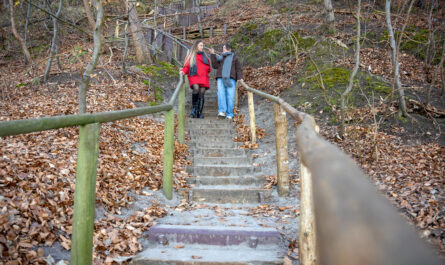
Ice can form on steps, rocks, bridges, and shaded trails. A short walk may become difficult when the surface is unexpectedly slippery.
Use suitable footwear and traction equipment, and turn back if you cannot maintain safe footing.
Hypothermia
Hypothermia develops when the body loses heat faster than it can produce it. Cold temperatures, wet clothing, wind, and exhaustion can all contribute.
Warning signs include unusual tiredness, shivering, confusion, and poor coordination. If hypothermia is suspected, seek shelter, replace wet clothing with dry insulation when possible, and obtain emergency assistance when needed.
Navigation Problems
Snow may cover trail markers and hide familiar ground features. Fog and darkness can make navigation even more difficult.
Stay on a suitable route, carry reliable navigation tools, and inform someone of your intended journey and expected return time.
Unexpected Weather Changes
A promising forecast does not guarantee safe conditions throughout the day. Strong winds, snowfall, or reduced visibility may require you to abandon the hike.
Turning around is a responsible decision when conditions become unsafe. Reaching a viewpoint is never more important than returning safely.
9. Is Winter Fjord Hiking Suitable for Beginners?
Winter hiking can be suitable for beginners, provided they choose modest routes and avoid challenging terrain.
Start with a short walk near a village or another accessible location. Look for a route that is suitable for winter conditions, has a manageable elevation gain, and allows enough time to return before darkness.
A beginner does not need to climb a famous mountain to appreciate the fjords. A walk beside the water, a forest path, or a guided snowshoe excursion can provide wonderful scenery without requiring advanced mountaineering skills.
Consider these practical steps:
- Choose a short route in favorable weather.
- Confirm that the route is open and suitable for winter use.
- Learn to recognize slippery surfaces and changing conditions.
- Carry basic navigation and emergency equipment.
- Avoid exposed or avalanche-prone terrain unless appropriately trained and equipped.
- Consider a guided excursion if you are unfamiliar with winter hiking.
It is also helpful to avoid hiking alone when you have little experience. A companion or qualified guide can provide assistance if conditions change or someone becomes tired.
Most importantly, do not measure the success of your trip by the distance covered. A short, comfortable hike can be more rewarding than a long journey that exceeds your abilities.
10. What Will the Scenery Look Like?
Winter scenery is one of the main reasons travelers choose to visit Norway’s fjords during the colder months.
Snow-covered mountain ridges create a striking contrast with the dark water below. In some places, waterfalls continue flowing despite the cold, while others develop ice around their edges.
The water in many fjords remains largely unfrozen, although conditions vary with location and weather. This creates a distinctive combination of snowy land and open water.
Winter light can also produce beautiful photographic opportunities. Soft colors during sunrise and sunset, drifting mist, and changing cloud patterns give the landscape a different character throughout the day.
Photographers may find that overcast conditions create more interesting images than bright sunlight. Snow can highlight the shape of the mountains, while mist gives distant cliffs a softer appearance.
Wildlife sightings are possible, but animals may be less visible depending on the season and location. Visitors should avoid disturbing wildlife and respect local guidance.
The scenery is not always predictable. A viewpoint that looks spectacular in a photograph may be hidden by fog when you arrive.
Rather than expecting perfect conditions, approach winter hiking as an opportunity to experience the landscape as it is on the day.
11. How to Plan a Successful Winter Fjord Trip
Planning is essential for a comfortable and safe experience.
Begin by choosing a suitable base. Staying in a village with accommodation, food, and transport options makes it easier to change plans when weather conditions deteriorate.
Research the trail before leaving. Confirm that it is open, determine whether winter equipment is required, and check the route’s current condition.
Review the weather forecast and avalanche information if you plan to enter mountainous terrain. Continue checking updates as your trip approaches.
Allow additional time for the journey. Snow and ice can slow walking speeds, while limited daylight reduces the margin for delays.
Think about transportation as well. Mountain roads may be difficult during winter, and some routes or viewpoints may be closed seasonally. Public transport or organized tours can be useful alternatives to driving.
Tell a trusted person where you intend to hike and when you expect to return. For remote routes, follow local advice about communication and emergency procedures.
Finally, keep your itinerary flexible. Have an alternative activity available in case the weather makes hiking unsuitable.
12. Alternatives When Hiking Conditions Are Unsafe
A winter trip does not have to be disappointing if the weather prevents you from hiking.
A fjord cruise can provide views of snow-covered cliffs from the water. Scenic railway journeys offer another way to appreciate the mountain landscape without walking on icy trails.
Visitors can also explore accessible village areas, visit local museums, enjoy regional food, or join guided activities suited to the day’s conditions.
Flåm, Bergen, and Ålesund can serve as starting points for exploring different parts of Fjord Norway. The most practical choice depends on transport, seasonal services, and the kind of scenery you want to experience.
Guided snowshoeing may be another option when conditions and the chosen route are appropriate. However, guided activities can also be cancelled when weather or terrain becomes dangerous.
The important lesson is that changing your plans is part of responsible winter travel. There is no need to take unnecessary risks simply to complete a planned hike.
Conclusion
Winter hiking around Norway’s fjords offers an opportunity to experience the region from a quieter and more dramatic perspective. Snow-covered mountains, icy waterfalls, peaceful villages, and dark blue water create a distinctive landscape that differs greatly from summer scenery.
However, winter conditions require careful preparation. Short daylight hours, slippery paths, changing weather, and avalanche risks can make even familiar routes more demanding.
Destinations such as Aurlandsfjord, Hardangerfjord, Geirangerfjord, and Lysefjord offer different possibilities for winter exploration. The best choice depends on local conditions, your experience, and the type of activity you want to enjoy.
Beginners should start with short, established routes or guided excursions, while experienced hikers must still assess the weather, terrain, and equipment requirements before leaving.
Ultimately, a rewarding winter fjord adventure is not about reaching the highest summit or covering the greatest distance. It is about choosing a suitable route, respecting the environment, and enjoying the remarkable scenery without compromising safety.
With thoughtful planning and a flexible attitude, winter can reveal a peaceful and unforgettable side of Norway’s fjords.