by
by Fjords are famous for dramatic cliffs, deep blue water, snow-covered peaks, and waterfalls that plunge directly from mountainsides into the sea. For many travelers, one of the most exciting moments of a fjord journey is seeing a waterfall from a boat. The experience can feel almost unreal: the vessel moves across a narrow stretch of water, towering cliffs rise on both sides, and a stream of white water crashes down from hundreds of meters above.
But this often raises an important question: How close can you actually get to a waterfall by boat in a fjord?
The simple answer is that there is no single distance. Some boats can approach close enough for passengers to feel the cool spray on their faces, while others remain farther away to provide a safer and more comfortable viewing experience. The distance depends on the waterfall, weather conditions, the type of boat, the season, water movement, and the captain’s judgment.
In famous Norwegian fjords such as Geirangerfjord, sightseeing boats and smaller RIB safaris are specifically designed to give visitors close views of waterfalls such as the Seven Sisters, the Suitor, and the Bridal Veil. Operators describe some RIB experiences as taking passengers right next to the waterfalls, while larger sightseeing vessels also provide close-up views from the fjord.
This guide explores what determines how close a boat can safely approach, which types of vessels offer the closest experience, what travelers should expect, and how to enjoy these powerful natural attractions responsibly.
There Is No Universal “Safe Distance”
Many travelers imagine that boat tours follow a fixed rule, such as staying 50 or 100 meters away from every waterfall. In reality, nature does not work that way.
Every waterfall and fjord environment is different.
A relatively gentle waterfall flowing down a stable mountainside may allow a boat to approach much more closely than a powerful waterfall crashing into the water with enormous force. Likewise, a small RIB boat may be able to maneuver into an area where a large sightseeing vessel cannot safely operate.
The captain or tour operator considers several factors, including:
- The strength and volume of the falling water
- Wind direction and wind speed
- Waves and water movement
- The shape of the shoreline
- Underwater rocks or shallow areas
- Rockfall risk from surrounding cliffs
- Visibility
- Seasonal water levels
- The size and maneuverability of the vessel
- Other boats operating nearby
This means the distance can change from one trip to another. A boat that approaches very close on a calm summer morning may remain farther away later in the day if the wind increases or water conditions become more difficult.
The captain’s decision is therefore more important than a fixed number.
How Close Can Sightseeing Boats Get?
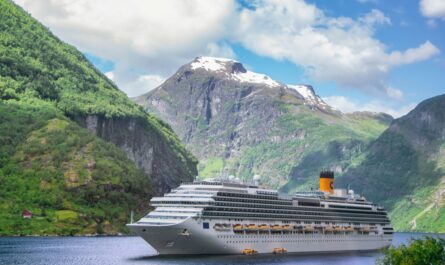
Traditional sightseeing boats usually offer a balance between proximity, comfort, stability, and passenger capacity.
These vessels are larger than small adventure boats and often carry dozens or even hundreds of passengers. Their size gives them advantages in comfort and stability, but it can also limit how closely they can maneuver near shorelines or beneath waterfalls.
That does not mean passengers have a distant experience.
In Geirangerfjord, sightseeing cruises are specifically marketed as providing close-up views of major waterfalls. Some tours pass close enough for visitors to experience the mist and spray from the Seven Sisters, while the route also brings passengers near other famous falls.
From the deck of a sightseeing vessel, the experience can be impressive because passengers can appreciate the full scale of the waterfall. Standing too close beneath a tall cliff may actually make it difficult to see the entire waterfall. A slightly greater distance can provide a better perspective for photography and allow visitors to see both the waterfall and the surrounding mountains.
For travelers who prefer comfort, indoor seating, panoramic windows, toilets, and outdoor viewing decks, a sightseeing boat can be an excellent choice.
RIB Boats Usually Offer the Closest Experience
If your main goal is to get as close as possible to a fjord waterfall, a RIB safari may offer a more intimate experience.
A RIB, or rigid inflatable boat, is smaller and more maneuverable than a traditional sightseeing vessel. These boats can move quickly across the fjord and position themselves more precisely near specific attractions.
In Geirangerfjord, RIB operators advertise trips that take passengers closer to the famous waterfalls than larger tours, with stops near waterfalls for viewing and photographs. Local tour information describes stops close to the Seven Sisters and the Suitor, and notes that passengers may experience spray from the waterfalls.
The difference is not simply about distance. A small boat also creates a more immersive feeling.
You are sitting closer to the water. The cliffs appear larger. You can hear the roar of the waterfall more clearly. When the wind carries mist across the boat, the experience becomes physical rather than purely visual.
For some travelers, this is the closest thing to feeling like they are inside the landscape.
However, getting closer does not always mean staying directly underneath the waterfall. The guide will choose a position that provides a dramatic view while avoiding unnecessary risks.
Can a Boat Go Directly Under a Waterfall?
Sometimes travelers imagine a boat driving directly beneath a waterfall, almost like entering a natural shower.
This may be possible at certain small or gentle waterfalls, but it is not something you should expect everywhere.
A powerful waterfall can create intense turbulence where it meets the water. The falling water may also produce unpredictable spray, waves, and currents. Rocks can occasionally be carried down with the water, particularly after heavy rain or snowmelt.
In mountainous fjord environments, there may also be risks associated with unstable cliffs or falling debris.
For these reasons, responsible operators do not approach waterfalls simply to create the most dramatic photograph. They evaluate the conditions and choose a safe position.
Sometimes the best experience is directly beside the waterfall. At other times, the ideal location may be farther out in the fjord, where passengers can still feel the spray while maintaining a safer margin.
The important point for travelers is this: the closest possible position is not always the safest or most enjoyable position.
Why Waterfall Conditions Change Throughout the Year
The same waterfall can look completely different depending on the season.
Spring: Powerful and Dramatic
Spring is often one of the most impressive periods for fjord waterfalls. Snow begins melting in the mountains, sending large amounts of water into rivers and streams.
A waterfall that appears gentle in late summer may become a roaring white torrent during the snowmelt season.
This can create spectacular scenery, but it may also increase spray, turbulence, and the amount of water entering the fjord. Boat operators may adjust their approach accordingly.
Summer: The Classic Fjord Experience
Summer is the main sightseeing season in many fjord regions. Waterfalls may still be powerful because of melting snow and occasional rainfall.
Weather conditions can vary significantly, however. A calm morning may provide smooth water and excellent visibility, while afternoon winds can make the same area feel completely different.
Autumn: Rain Can Transform the Landscape
Autumn storms and heavy rainfall can dramatically increase the flow of seasonal waterfalls.
Some waterfalls become especially impressive after rain, while others may appear much stronger than they did during dry weather.
The boat captain may need to consider changing water conditions when deciding how close to approach.
Winter: A Different Kind of Beauty
In winter, some waterfalls become smaller, partially frozen, or surrounded by ice. Access to certain fjords may also be more limited depending on the destination.
Where winter boat tours operate, the experience can be beautiful but more weather-dependent.
Weather Can Change How Close You Get
Even if you book a tour specifically known for close waterfall encounters, weather can affect the experience.
Wind is particularly important.
Imagine standing near a waterfall on a calm day. The mist may fall gently around the base. Now imagine strong winds pushing that spray horizontally across the fjord.
A captain must consider not only the boat’s position but also how wind and water interact.
Heavy rain can reduce visibility, while strong winds may create waves that make close maneuvering less comfortable.
This does not necessarily mean your tour will be canceled. Many fjord boat tours operate in a variety of weather conditions. However, the exact route and distance from particular waterfalls may change.
Guided kayak tours in Geirangerfjord also emphasize that changing weather and water conditions can affect trips and that guides may modify tours when necessary.
The lesson is simple: nature determines the experience more than the brochure.
Small Boats vs. Large Boats: Which Is Better?
There is no universally perfect choice.
It depends on the type of experience you want.
Choose a Small RIB Boat If You Want:
- A more adventurous experience
- Faster travel across the fjord
- Smaller groups
- A closer perspective on waterfalls
- A greater chance of feeling spray and wind
- More dramatic photography opportunities
- A stronger sense of being surrounded by nature
RIB tours can be thrilling, but they may not suit everyone. The ride can be bumpy, especially in changing conditions. Some operators caution that high-speed trips may not be appropriate for certain passengers, including people with particular back, neck, or pelvis concerns.
Choose a Larger Sightseeing Boat If You Want:
- A smoother and more relaxed journey
- Indoor seating
- Protection from rain and wind
- Panoramic windows
- More facilities
- Greater accessibility
- A comfortable experience for families or travelers who dislike fast rides
Larger boats can still provide excellent waterfall views. In fact, the elevated viewing position may make it easier to photograph the entire waterfall.
The Best Photography Distance Is Not Always the Closest Distance
Many people assume that the closer they get, the better their photographs will be.
This is not always true.
If your boat is directly beneath a tall waterfall, you may only capture a section of it. The surrounding cliffs may disappear from the frame, and spray can cover your camera lens.
A slightly greater distance often allows you to capture:
- The full height of the waterfall
- The boat and surrounding fjord
- Mountain cliffs
- Low clouds or snow
- Multiple waterfalls in one scene
- The contrast between tiny human activity and massive natural landscapes
When the boat approaches a waterfall, take some photos immediately. Do not wait until you are extremely close because the boat may change position quickly.
If you are using a smartphone, consider bringing a waterproof pouch or keeping a microfiber cloth available for the lens.
For cameras, a weather-resistant bag can be useful. Mist can appear unexpectedly, especially on smaller boats.
What Does It Feel Like to Get Close?
The visual experience is only part of the adventure.
As the boat approaches, the sound of the waterfall becomes louder. At first, you may hear only a distant rushing noise. Then, as the vessel moves closer, the sound becomes a powerful roar.
The air can suddenly feel cooler.
Fine droplets may begin landing on your face and clothing. Depending on the wind, you may receive only a light mist or a much stronger burst of spray.
This is one reason why waterproof clothing can be useful even on a sunny day.
Some RIB operators provide protective or waterproof suits, specifically because wind and waterfall spray can be part of the experience.
For many visitors, that unexpected splash becomes one of the most memorable moments of the trip.
Safety Always Comes Before the Perfect Photo
One of the biggest mistakes travelers can make is encouraging a captain to get closer simply for a photograph.
Professional guides understand the fjord far better than visitors do. They know local currents, weather patterns, navigation challenges, and areas that may be unsuitable for close approaches.
If the captain decides to remain farther away, there is usually a good reason.
Never attempt to:
- Lean dangerously over the side of the boat
- Stand in an unauthorized area
- Ignore instructions from the crew
- Move suddenly while the boat is maneuvering
- Pressure the captain to approach closer
- Fly a drone without understanding local restrictions
- Leave a designated viewing area
The most memorable trip is one that ends safely.
What About Kayaks?
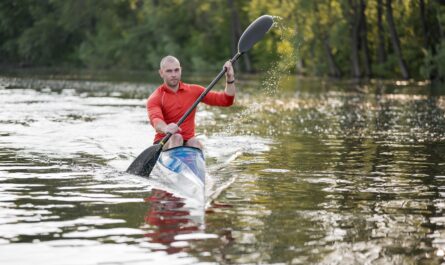
Kayaking provides a completely different perspective.
Instead of viewing a waterfall from a raised deck, you sit almost at water level. The cliffs feel enormous, and even a relatively small waterfall can seem powerful.
Guided kayak trips in fjord areas can bring visitors toward famous waterfalls while allowing them to experience the landscape quietly. In Geirangerfjord, guided trips toward the Seven Sisters are available, but operators emphasize safety procedures because cold water, changing weather, and limited landing sites can create additional risks.
A kayak should never be treated as a way to independently get closer than a professional boat captain would.
Small vessels are more exposed to waves, cold water, and changing conditions. If you want a close kayaking experience, going with a qualified guide is often the wiser option.
How to Choose the Right Waterfall Boat Tour
Before booking, ask yourself what matters most.
If your priority is getting as close as possible, look for descriptions containing phrases such as:
- Close to the waterfalls
- Waterfall safari
- RIB adventure
- Small-group boat tour
- Photo stops
- Waterfall spray experience
If your priority is comfort, consider:
- Traditional sightseeing cruises
- Electric or hybrid sightseeing vessels
- Boats with indoor seating
- Panoramic windows
- Outdoor observation decks
For example, Geirangerfjord sightseeing options include both traditional sightseeing experiences and smaller RIB safaris, allowing travelers to choose between a relaxed cruise and a more adventurous close-range experience.
Before booking, it is also worth checking:
- How long the tour lasts
- Whether waterproof clothing is provided
- Whether the boat has indoor seating
- Age restrictions
- Accessibility options
- Weather cancellation policies
- Whether the itinerary specifically includes major waterfalls
So, How Close Can You Really Get?
The honest answer is: close enough to feel the power of nature, but only as close as conditions safely allow.
On some fjord tours, particularly small RIB safaris, you may stop right beside a waterfall and feel its spray. On larger sightseeing vessels, you can still get impressively close while enjoying a wider view of the surrounding landscape. In places such as Geirangerfjord, both types of tours are designed around bringing visitors close to iconic waterfalls.
But there is no guaranteed number of meters.
The distance can change with the weather, season, waterfall flow, boat type, and local safety conditions.
And that unpredictability is part of what makes fjord travel so special.
A waterfall seen from the water is never exactly the same twice. One day it may be a delicate silver stream falling quietly down the cliff. After heavy rain or snowmelt, it may become a roaring wall of white water.
The best approach is not to focus on reaching the absolute closest point possible. Instead, choose a reputable tour, listen to the crew, prepare for spray and changing weather, and enjoy the experience wherever the boat safely stops.
After all, the true magic of a fjord waterfall is not measured in meters. It is measured in the moment when you look upward, hear the thunder of falling water, feel cool mist in the air, and realize just how small you are in the middle of one of nature’s most dramatic landscapes.
Conclusion
Getting close to a waterfall by boat in a fjord can be one of the most unforgettable experiences of any scenic journey. Depending on the location and vessel, you may view the waterfall from a comfortable sightseeing deck, approach it closely in a fast RIB, or even feel the spray as the boat pauses nearby.
However, there is no fixed distance that applies everywhere. The safest and most appropriate approach depends on natural conditions and professional judgment.
If you want the closest possible experience, a small guided RIB tour is often the best choice. If comfort, accessibility, and panoramic views matter more, a larger sightseeing boat may be ideal.
Whichever option you choose, remember that waterfalls are powerful natural features, not amusement park attractions. Respect the conditions, follow your guide’s instructions, and let the professionals decide how close is safe.
Sometimes the boat will take you close enough to feel the mist. Sometimes you will watch from farther away.
Either way, when you are floating through a dramatic fjord surrounded by towering mountains and watching water fall from the sky into the sea, the experience is likely to stay with you long after the boat returns to shore.