 by
by Fjords are among the most dramatic landscapes in the world. Towering mountains, deep blue water, waterfalls, glaciers, and narrow valleys create an environment that can appear peaceful and predictable. Yet fjords can also experience surprisingly rapid changes in weather. A calm, sunny morning can sometimes become cloudy, windy, rainy, or foggy within a short period.
This is particularly important for visitors exploring Norwegian fjords by cruise ship, ferry, kayak, private boat, hiking trail, or scenic road. Weather is not simply a matter of comfort in these landscapes. Sudden changes can affect visibility, water conditions, transportation, hiking routes, photography, and outdoor safety.
Fjord Norway has a coastal climate, meaning rain and wind are common, particularly near the coast. The official tourism authority notes that a sunny day can be followed by rain and fog, and that visitors may experience several different types of weather during the same day.
So, what actually happens when the weather changes suddenly on a fjord? The answer depends on the type of weather, your location, and the activity you are doing.
Why Can Fjord Weather Change So Quickly?
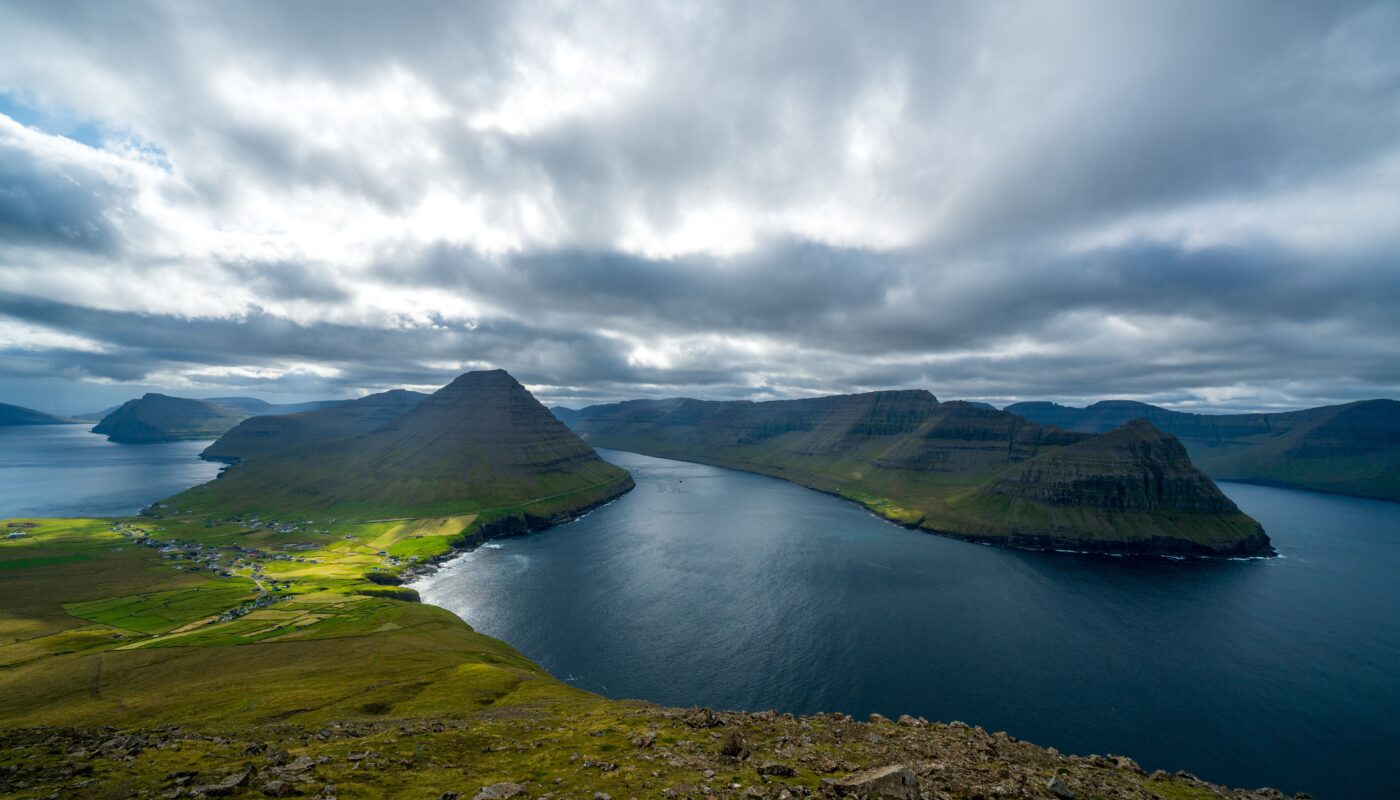
Fjords have a unique geography. They are long, narrow bodies of water surrounded by steep mountains. Many extend from the open sea deep into the landscape. This creates complicated interactions between ocean air, mountains, valleys, clouds, wind, and precipitation.
The coastal position of many Norwegian fjords means that moist air from the sea can move toward the mountains. When that air encounters steep terrain, it can rise, cool, and contribute to cloud formation and precipitation.
At the same time, conditions may differ dramatically between the mouth of a fjord and its inner reaches. One area may be sunny while another is covered by cloud or rain.
Mountain valleys can also influence local wind patterns. As air moves through narrow valleys, wind can become more noticeable or change direction. This means that a weather forecast for a wider region does not always tell the complete story of conditions at a particular point on a fjord.
Norway’s official travel guidance emphasizes that weather can change rapidly and recommends checking local forecasts before outdoor activities.
What Does a Sudden Weather Change Look Like?
A sudden change does not necessarily mean that a major storm is approaching. Sometimes it is simply a transition from sunshine to cloud, light rain, or fog.
You might experience:
- Bright sunshine becoming heavy cloud
- A noticeable increase in wind
- Rain arriving suddenly
- Fog reducing visibility
- Lower temperatures
- Stronger waves or choppy water
- Snow at higher elevations
- Thunderstorms or intense showers in certain conditions
- Rapidly changing visibility around mountain roads and hiking trails
The atmosphere can make these changes appear particularly dramatic in a fjord because the surrounding mountains provide a powerful visual contrast.
A sunny mountain face can disappear behind cloud within minutes, while waterfalls that were clearly visible earlier may become partially hidden by mist.
What Happens to the Water?
One of the most important effects of changing weather is the change in water conditions.
A calm fjord can become noticeably choppier when wind increases. The effect varies depending on the fjord’s shape, the direction of the wind, the distance over which the wind travels across the water, and local geography.
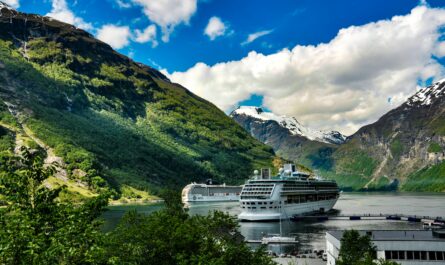
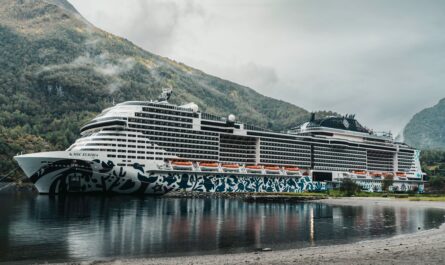
For large cruise ships, a moderate deterioration in conditions may simply mean a less smooth ride. Modern vessels are designed to operate in a wide range of conditions, and captains continuously monitor weather and sea conditions.
For smaller boats, however, the consequences can be much more significant.
A kayak, canoe, inflatable boat, or small recreational vessel has less protection from wind and waves. A strong wind can make paddling harder and may make returning to shore difficult.
Norway’s tourism authority specifically warns paddlers about offshore winds because they can make it difficult to return to land. It also recommends staying relatively close to shore and consulting local guides about currents, shoreline conditions, and weather patterns.
What Happens on a Fjord Cruise?
If you are traveling on a large fjord cruise ship and the weather changes, the experience may be more uncomfortable than dangerous.
The captain and crew monitor conditions and can modify the itinerary when necessary. Depending on the situation, a ship may:
- Reduce speed
- Change course
- Alter the timing of a visit
- Avoid a particularly exposed area
- Cancel a shore excursion
- Delay arrival at a port
- Adjust outdoor activities
Passengers may notice the ship moving more than usual, particularly if wind and waves increase.
A major advantage of a large vessel is its size and onboard infrastructure. Passengers can move indoors, eat in restaurants, visit lounges, or continue enjoying the journey while the weather passes.
However, travelers should remember that cruise itineraries are not completely independent of weather. A spectacular viewpoint or landing scheduled for the afternoon may be changed if conditions become unsuitable.
What Happens to a Small Boat?
Small boats are more sensitive to sudden weather changes.
Imagine starting your trip on calm water with almost no wind. A few hours later, the wind increases and waves begin developing. The journey that seemed easy earlier may suddenly require considerably more effort.
This is one reason Norwegian authorities emphasize checking both weather and water conditions before departure. Visit Norway states that weather at sea can change dramatically within minutes and recommends only setting out when conditions are suitable.
Small-boat travelers should therefore have a clear turnaround plan. If conditions begin deteriorating, returning to a safe harbor or shoreline early is generally much easier than waiting until the weather becomes severe.
What Happens to Kayakers?
Kayaking gives visitors an exceptionally close view of fjord landscapes, but it also places them directly on the water.
When conditions deteriorate, several things can happen.
First, stronger wind increases the physical effort required to paddle. A person who can comfortably paddle against a light breeze may struggle against stronger winds.
Second, waves can make a kayak less stable.
Third, cold water creates an additional hazard. Even during summer, Norwegian waters can remain cold enough to create serious problems for anyone who falls into the water.
Visit Norway advises kayakers to wear a life vest, carry extra clothing in a waterproof bag, and be particularly careful of cold water and offshore winds.
For inexperienced visitors, guided kayaking can provide an additional layer of support because local guides understand the area’s water conditions and weather patterns.
Fog Can Be One of the Biggest Changes
Fog is particularly fascinating on a fjord because it can transform the entire landscape.
One moment you may have a clear view of a mountain rising thousands of feet above the water. Minutes later, the mountain may appear to disappear behind a wall of mist.
For photographers, this can create beautiful and atmospheric scenes. For boat operators and hikers, however, reduced visibility requires greater caution.
Fog can make it harder to:
- Identify landmarks
- See approaching boats
- Follow trails
- Judge distances
- Navigate unfamiliar roads
- Photograph distant mountains
- Recognize changes in the shoreline
On hiking routes, poor visibility can become particularly important if the trail is exposed or difficult to follow.
Norway’s mountain safety guidance recommends monitoring weather conditions continuously and adjusting plans when conditions change.
What Happens to Hiking Conditions?
A sudden change in weather can completely alter the difficulty of a fjord hike.
A trail that feels comfortable in sunshine may become slippery after rain. Wet rocks and wooden surfaces can reduce traction. Wind can make exposed ridges uncomfortable or hazardous.
Temperature can also fall quickly when cloud, wind, or rain arrives.
This is why hikers should not rely solely on the weather they see when leaving the starting point. Mountain conditions can be very different higher up.
Norway’s mountain safety guidance recommends dressing in layers and carrying rain- and wind-resistant clothing, even during summer. It also stresses that hikers should be prepared for bad weather and frost, including on relatively short trips.
What About Snow in Summer?
One of the fascinating features of fjord landscapes is that different elevations can experience different seasons at the same time.
A traveler standing near the water might experience mild summer temperatures while snow remains visible on higher mountains.
If temperatures drop or precipitation arrives, snow can occur at higher elevations even while rain falls near sea level.
This is especially relevant for visitors planning high-altitude hikes. The conditions at the fjord shoreline should never automatically be assumed to represent conditions on the mountain.
Can Sudden Weather Cause Landslides or Rockfalls?
Heavy rainfall can increase hazards in mountainous terrain.
Fjords are surrounded by steep slopes, cliffs, and mountains. Water can saturate soil and contribute to instability in susceptible areas. Rockfall and landslide hazards are therefore important considerations in certain locations and weather conditions.
Travelers should pay attention to local warnings and follow instructions from authorities, tour operators, road authorities, and guides.
This is another reason why travelers should avoid treating a weather change simply as a photographic opportunity. A dramatic landscape can remain beautiful while conditions around it become unsuitable for an outdoor activity.
What Happens to Fjord Roads?
Weather changes can also affect people exploring fjords by car.
Many fjord roads are narrow and winding, and some pass through mountainous terrain. Rain can reduce visibility and make road surfaces slippery, while fog can make bends and surrounding traffic harder to see.
Norway’s travel guidance notes that many roads are narrow and winding and that mountain driving conditions can be affected by changing weather. Drivers are advised to slow down and adapt their speed to conditions.
In winter, snow and ice can introduce additional challenges, particularly for visitors unfamiliar with Scandinavian winter driving.
How Should Travelers Respond to a Sudden Weather Change?
The most important principle is simple: adapt rather than insist on the original plan.
If conditions suddenly deteriorate, ask yourself whether continuing is still appropriate.
For boat travelers, this may mean returning earlier.
For hikers, it may mean turning around.
For drivers, it may mean slowing down or waiting for visibility to improve.
For cruise passengers, it may simply mean moving indoors and allowing the crew to make operational decisions.
Norway’s mountain safety principles explicitly encourage people to assess conditions continuously and change their plans when necessary. They also emphasize that turning back is a sensible choice rather than something to be ashamed of.
What Should You Pack for Fjord Weather?
Preparation makes sudden weather changes much easier to manage.
A useful fjord-weather packing list can include:
Waterproof Jacket
A waterproof and windproof outer layer is one of the most useful items for fjord travel.
Warm Mid-Layer
A fleece, wool sweater, or lightweight insulated jacket can provide warmth when temperatures fall.
Waterproof Trousers
These can make a major difference during prolonged rain, especially if you are hiking.
Comfortable Waterproof Shoes
Wet rocks, muddy paths, and rainy roads make good footwear extremely valuable.
Spare Clothes
Keeping an additional warm layer in a waterproof bag is particularly useful for outdoor activities.
Waterproof Phone Protection
A waterproof case or dry bag protects your phone from rain and accidental water exposure.
Hat and Gloves
Even summer travelers may appreciate these when wind increases or temperatures fall.
Navigation Equipment
For serious hiking, don’t depend entirely on a smartphone. Norway’s safety guidance recommends carrying a map and compass and knowing how to use them.
Check the Forecast Before You Leave
One of the easiest ways to reduce problems is to check the weather immediately before starting an outdoor activity.
Norwegian travel authorities recommend using local forecasts, including Yr.no, before trips.
However, checking the forecast once is not enough for a long outdoor adventure. Conditions should be monitored during the journey as well.
If the forecast indicates increasing wind, heavy precipitation, reduced visibility, or other challenging conditions, consider changing your plans before the weather reaches you.
Why Local Knowledge Matters
Weather forecasts provide valuable information, but local knowledge can add another dimension.
A local skipper, kayak guide, hiking guide, or experienced resident may understand how a particular fjord responds to certain wind directions or weather systems.
For example, a particular section of a fjord may be more exposed to wind, while another area may provide greater shelter.
This is one reason guided activities can be particularly useful for visitors who are unfamiliar with the region.
What Should Cruise Passengers Do?
If you are traveling on a cruise and notice the weather changing, there is usually no need to panic.
Listen to announcements from the crew and follow their instructions.
Keep your outdoor clothing accessible rather than packed away.
If you have a shore excursion planned, check whether it is still operating.
Avoid going onto exposed outdoor decks if wind becomes strong or the crew restricts access.
Most importantly, understand that changing the itinerary is sometimes a normal safety decision rather than a sign that something has gone wrong.
Can Bad Weather Make a Fjord More Beautiful?
Absolutely.
Rain and fog can create an entirely different visual experience.
Waterfalls may appear more dramatic. Clouds can wrap around mountains. Mist can soften distant peaks, while changing light can produce striking photographic conditions.
Stormy weather can also reveal the power of the landscape.
However, enjoying dramatic weather should always be separated from deliberately putting yourself in danger. Visit Norway itself highlights storm watching as an experience but emphasizes observing storms from a safe location.
The best approach is to appreciate changing weather without underestimating it.
How Different Activities Are Affected
The consequences of sudden weather changes vary considerably depending on what you are doing.
| Activity | Possible effect of sudden weather change |
|---|---|
| Large cruise ship | More movement, itinerary adjustments, canceled excursions |
| Ferry | Delays or altered operations in difficult conditions |
| Small boat | Rougher water and more difficult navigation |
| Kayaking | Stronger paddling effort, waves, difficult return |
| Hiking | Slippery trails, poor visibility, colder temperatures |
| Photography | Reduced visibility but potentially dramatic scenery |
| Driving | Lower visibility, slippery roads, slower travel |
| Camping | Cold, wet conditions and difficult shelter management |
This comparison shows why the same weather event can be relatively minor for one traveler and much more serious for another.
What If a Storm Arrives Unexpectedly?
If conditions become severe while you are outdoors, prioritize getting somewhere safe rather than continuing with your sightseeing plans.
On land, seek appropriate shelter and move away from exposed ridges or dangerous terrain when necessary.
On the water, follow the instructions of the boat operator or skipper. If you are operating your own boat, prioritize a safe harbor or sheltered location and use emergency procedures when required.
Norway’s water-safety guidance lists 120 for emergencies at sea, alongside the country’s general emergency numbers.
Travelers should also remember that mobile coverage is not guaranteed in every remote location.
The Best Mindset for Fjord Travel
The most useful attitude when visiting a fjord is flexibility.
Don’t plan every outdoor experience around the assumption that the weather will remain exactly as it looks at breakfast.
Instead:
- Check the forecast.
- Check conditions again before departing.
- Dress for multiple possibilities.
- Carry essential waterproof and warm layers.
- Listen to local guides and operators.
- Keep alternative activities available.
- Be willing to turn back.
- Avoid taking unnecessary risks for photographs.
- Allow extra time in your itinerary.
- Treat the weather as part of the landscape.
Norway’s official safety guidance repeatedly emphasizes preparation, appropriate clothing, awareness of changing conditions, and adapting plans when necessary.
Final Thoughts
A sudden weather change on a fjord can transform a peaceful journey within a surprisingly short time. Sunshine may give way to rain, mountains may disappear behind fog, winds may increase, and calm water may become noticeably rougher.
For visitors on large cruise ships, these changes may simply mean a different view or an adjusted itinerary. For kayakers, small-boat users, hikers, and drivers, however, changing conditions can require immediate changes in plans.
The key is not to fear fjord weather but to respect it.
Fjords are dynamic environments where mountains, ocean, wind, rain, snow, and changing light interact constantly. The same weather that creates a challenging afternoon can also produce some of the most memorable landscapes of a Norwegian journey.
With suitable clothing, regular weather checks, sensible planning, local knowledge, and a willingness to change plans, travelers can experience the dramatic character of fjord weather while keeping safety at the center of the adventure.