 by
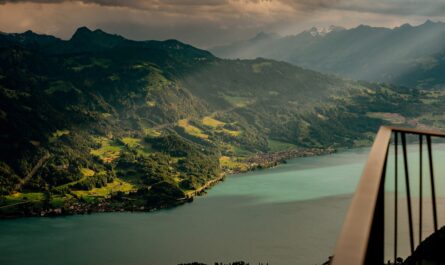
by Fjord regions are among the most dramatic environments on Earth—deep sea inlets carved by ancient glaciers, surrounded by steep mountains and narrow valleys. Today, they are admired for their beauty, but in the past they were not scenic destinations. They were living environments where people built entire ways of life around extreme geography.
To understand how people historically lived and traveled in fjord regions, it is important to imagine a world without modern roads, tunnels, or bridges. In such conditions, the fjord was not a barrier. Instead, it was the main pathway for movement, trade, and communication.
Communities in regions such as western Norway developed practical, highly adapted lifestyles shaped entirely by water, mountains, and weather.
Living with Limited Land and Harsh Geography
One of the defining challenges of fjord regions was the scarcity of flat, arable land. The steep terrain left very little space suitable for farming or building settlements.
Small and Scattered Settlements
Villages and farms were often:
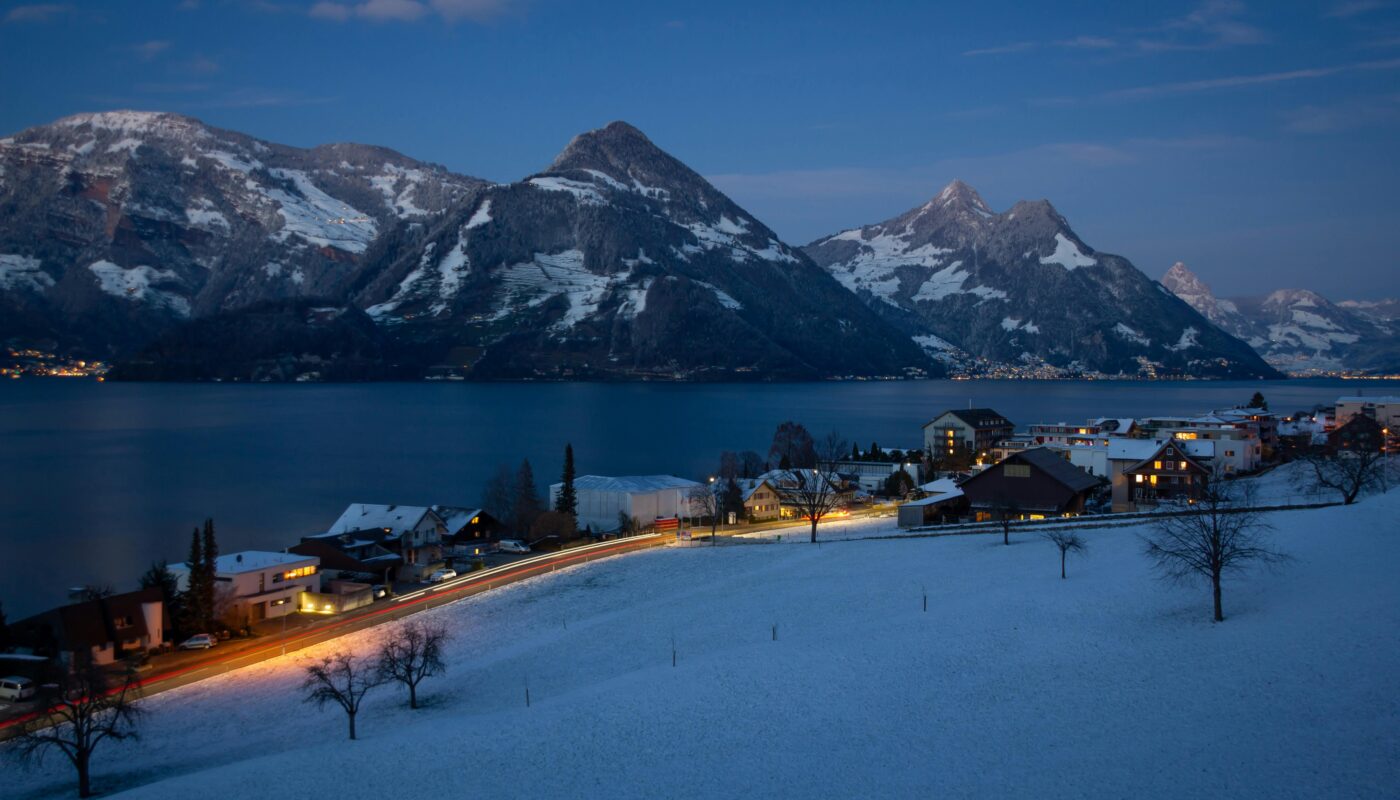
- Built on narrow strips along the fjord edge
- Positioned on small terraces carved into hillsides
- Spread far apart due to terrain limitations
Because expansion was difficult, many farms remained within the same family for generations, with land carefully divided and managed.
Dependence on Nature
Life depended heavily on natural conditions:
- Rainfall supported grass growth for livestock
- Snowmelt filled rivers and water sources
- Forests provided timber and fuel
However, harsh winters and unstable slopes made daily life demanding and sometimes unpredictable.
Farming in a Steep and Restricted Environment
Agriculture in fjord regions was not large-scale. Instead, it was focused on survival and efficiency.
Mixed Small-Scale Farming
Families typically grew limited crops such as barley, oats, and vegetables. However, crop farming alone was not enough to sustain communities.
Livestock as the Foundation of Survival
Animals were essential. Households kept:
- Sheep
- Goats
- Cattle
These animals provided milk, meat, wool, and leather. Goats were especially valuable because they could survive on steep terrain where other animals could not easily graze.
Seasonal Mountain Farming
A key tradition involved moving livestock to higher mountain pastures during summer months. This allowed valley land to recover and produce hay for winter feeding. It was a highly organized seasonal system that helped maximize limited resources.
The Fjord as the Main Transportation Route
In fjord regions, water was the most efficient and reliable means of travel. Roads across mountains were difficult, dangerous, and slow, so the fjord became the main transportation corridor.
Boats as Everyday Necessities
Instead of roads, people relied on boats for nearly all movement. These boats were used for:
- Visiting neighboring farms
- Transporting livestock and goods
- Fishing
- Attending church or markets
Even short journeys were often faster by water than by land.
Simple, Practical Vessels
Most families owned small rowing boats or shared community vessels. These boats were designed for practicality rather than comfort and were essential for survival.
Fjords Connecting Communities
Rather than separating people, fjords connected settlements along their shores. Villages communicated, traded, and interacted primarily through water routes.
Trade Networks and Local Exchange
Because overland travel was limited, fjord communities developed strong water-based trade systems.
Local Barter Systems
Goods were commonly exchanged between families and villages:
- Fish from coastal areas
- Dairy products from farms
- Wool and textiles
- Timber and charcoal
Trade was often informal and based on mutual need rather than formal marketplaces.
Coastal Trading Centers
Larger settlements served as regional hubs where goods were collected and redistributed. Farmers traveled by boat to these centers to obtain tools, salt, and imported goods.
Slow but Reliable Communication
News and information traveled along the same routes as goods. Messages were carried by travelers or traders, meaning communication was slow but steady.
Travel Challenges in Fjord Regions
Despite the importance of movement, traveling in fjord landscapes was never easy.
Weather and Environmental Risks
Travelers had to deal with:
- Sudden storms on water
- Strong winds in narrow fjords
- Snow and ice during winter
- Rockfalls and landslides in mountain areas
These risks required constant awareness of natural conditions.
Navigation Skills
Successful travel depended on experience. People learned to read:
- Water currents
- Wind direction
- Cloud formations
- Seasonal weather patterns
Such knowledge was passed down through generations.
Physically Demanding Journeys
Even short trips required effort and planning. Travel was not casual—it was a carefully prepared activity often dependent on weather and daylight.
Mountain Farms and Seasonal Isolation
In addition to fjord-edge settlements, some communities lived in high mountain areas.
Remote Farm Locations
These farms were often:
- Located on narrow ledges above fjords
- Accessible only by steep paths or ladders
- Isolated from nearby villages
Self-Sufficient Living
Families living in remote areas relied heavily on stored food and livestock products. During winter, access to other communities could be extremely limited.
Strong Community Cooperation
Isolation encouraged cooperation. Neighbors helped each other with harvests, repairs, and survival tasks, strengthening social bonds.
Cultural Life in Fjord Communities
Despite geographic isolation, fjord regions developed rich cultural traditions.
Strong Local Identity
Because travel was difficult, communities developed distinct dialects, customs, and traditions unique to each valley or fjord.
Social Gatherings
Church visits, seasonal markets, and festivals were important events where people:
- Shared news
- Conducted trade
- Strengthened relationships
These gatherings were rare but highly valued.
Oral Tradition and Storytelling
Stories, legends, and historical knowledge were passed down orally. This helped preserve cultural identity in communities where written communication was limited.
Historical Maritime Influence
Fjord regions were also historically important in early seafaring culture.
Natural Shipbuilding Environment
Deep, sheltered waters made fjords ideal for building and launching boats. Communities became skilled in maritime construction and navigation.
Expansion Through Water Routes
From fjord settlements, people traveled along coastlines and across seas for trade, exploration, and settlement. Water routes connected them to wider regional and international networks.
Transition to Modern Infrastructure
Over time, fjord regions changed significantly with technological development.
Introduction of Roads and Tunnels
Modern engineering made it possible to build roads through mountains and tunnels beneath them, reducing reliance on boats.
Modern Transport Systems
Ferries and motorboats replaced rowing vessels, making travel faster and more reliable.
Continued Use of Traditional Routes
Interestingly, many ferry routes today still follow ancient travel paths used historically by local communities.
Lasting Legacy of Fjord Living
Even though modern life has changed transportation and settlement patterns, the legacy of historical fjord living remains strong.
Cultural Continuity
Some traditions still exist, including:
- Seasonal farming practices
- Small-scale agriculture
- Maritime heritage activities
Enduring Connection to Landscape
The relationship between people and the fjord remains central to regional identity.
Symbol of Adaptation
Perhaps the most important legacy is the resilience and adaptability developed by generations living in a challenging environment.
Conclusion: A Life Defined by Adaptation and Water
Historically, life in fjord regions was shaped entirely by geography. People adapted to steep mountains, limited farmland, and water-dominated landscapes by developing practical, resilient ways of living.
The fjord served as a road, a marketplace, and a communication channel. Boats replaced roads, mountains dictated settlement patterns, and communities learned to thrive in conditions that required cooperation and endurance.
Today, while modern infrastructure has transformed travel and daily life, the historical story of fjord communities remains a powerful example of how humans can adapt successfully to some of the world’s most demanding environments.