 by
Fjords are famous for their calm waters, towering cliffs, cascading waterfalls, remote villages, and spectacular mountain scenery. While traditional sightseeing cruises have long been one of the most popular ways to explore these landscapes, a faster and more adventurous alternative has become increasingly attractive to travelers: the RIB boat tour.
RIB stands for Rigid Inflatable Boat. These lightweight, powerful boats combine a rigid hull with inflatable tubes around the sides. They can travel quickly through fjord waters while remaining relatively maneuverable, allowing passengers to experience the landscape from a much more dynamic perspective.
But are RIB boat tours actually worth it?
For adventure lovers, photographers, families with older children, and travelers who want to experience a fjord rather than simply observe it, the answer can be a strong yes. RIB tours provide speed, excitement, close-up views, and an intimate connection with the water. They can reach places that larger vessels cannot easily access and often provide a completely different perspective from a traditional cruise.
However, RIB tours are not perfect for everyone. The ride can be bumpy, weather conditions may affect the experience, seating is usually more limited, and some travelers may prefer the relaxed comfort of a larger sightseeing vessel.
The best choice depends on what you want from your fjord experience.
What Exactly Is a RIB Boat?
A RIB, or rigid inflatable boat, is designed to combine stability, speed, and maneuverability.
The boat generally consists of:
- A rigid lower hull
- Inflatable side tubes
- Powerful engines
- Open seating
- Safety equipment
- A compact design suitable for coastal exploration
The inflatable sides help provide stability and buoyancy, while the rigid hull allows the boat to travel efficiently through the water.
RIB boats are widely used for sightseeing, rescue operations, marine research, transportation, and adventure excursions.
For tourism, their design is particularly useful in fjord environments because they can move quickly between different locations while navigating relatively narrow waterways.
Why Are RIB Tours Popular in Fjords?
Fjords are enormous landscapes. Traveling through one can take hours, and a conventional sightseeing boat may cover only a portion of the area during a short excursion.
RIB boats offer a different approach.
Instead of slowly cruising through the landscape, they can:
- Cover greater distances in less time
- Enter narrower sections of waterways
- Approach waterfalls more closely where conditions permit
- Explore small coastal passages
- Provide more direct interaction with the environment
- Create a stronger sense of adventure
The result is a fjord experience that feels active rather than passive.
Speed Is a Major Part of the Experience
The most obvious difference between a RIB tour and a conventional cruise is speed.
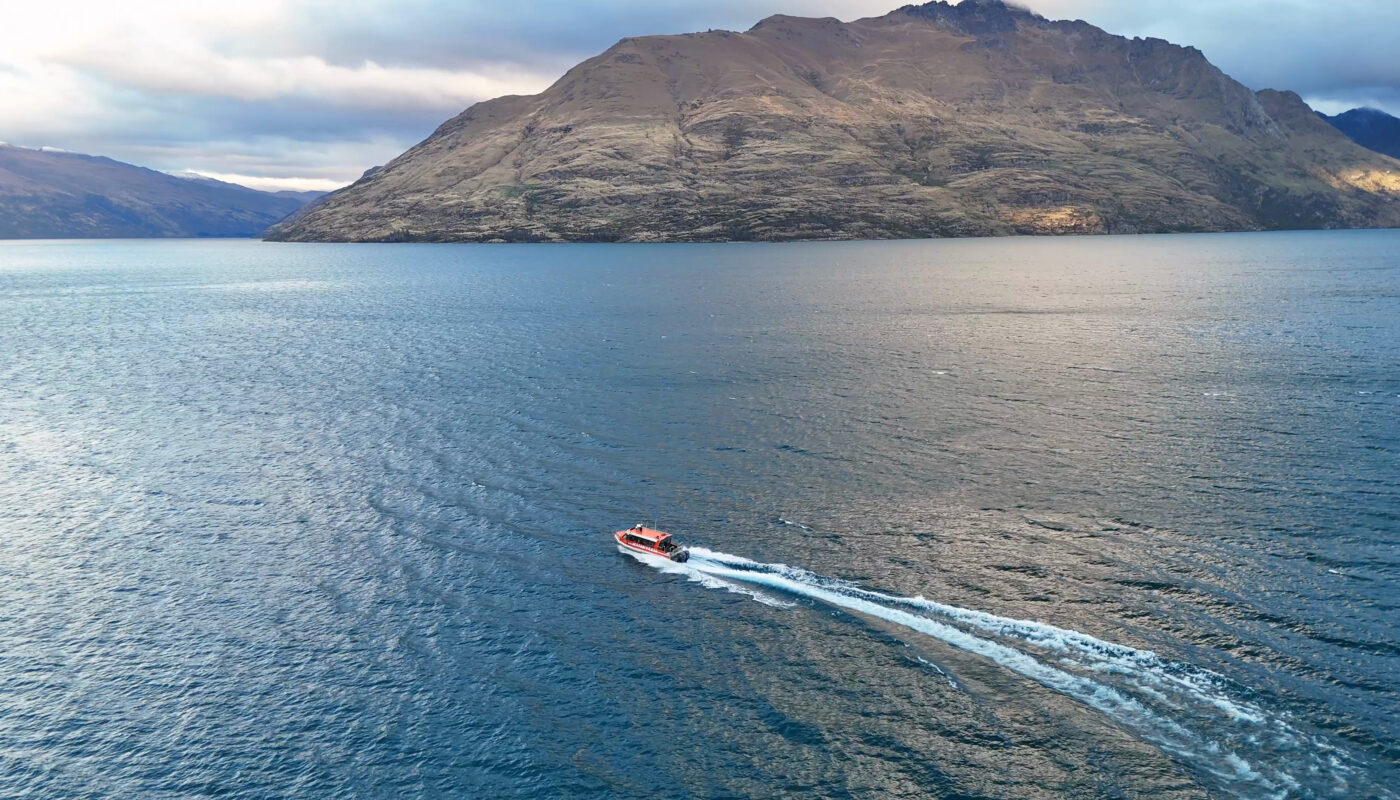
A larger sightseeing boat may move gently through the fjord, giving passengers plenty of time to admire the scenery. A RIB can accelerate quickly across open stretches of water.
This creates an exhilarating contrast.
You might spend several minutes moving rapidly across the water before the captain slows down near a waterfall, mountain, village, or wildlife area. The experience alternates between excitement and quiet observation.
For many travelers, that combination is the main appeal.
But Fast Does Not Mean Constantly Chaotic
A common misconception is that a RIB tour involves nonstop high-speed driving.
In reality, responsible operators generally vary the speed depending on the surroundings and purpose of each section.
The boat may travel quickly through open water and slow considerably when:
- Approaching wildlife
- Entering narrow waterways
- Passing other boats
- Reaching a viewpoint
- Navigating complex conditions
This gives passengers opportunities to appreciate the scenery without spending the entire excursion bouncing across the water.
The Views Can Be Better Than Expected
One of the greatest advantages of a RIB is its low position on the water.
Large cruise ships and sightseeing vessels can provide excellent panoramic views, but passengers are often positioned several meters above the waterline.
A RIB puts you much closer to the surface.
From this perspective, the cliffs can feel taller, waterfalls more dramatic, and mountains more imposing.
You may notice:
- Waves moving against the hull
- Reflections on the water
- Birds flying close to the boat
- Waterfalls descending from cliffs
- Small islands and rocky shorelines
The landscape can feel more immediate.
RIB Tours Are Excellent for Photography
For photographers, RIB tours can offer unique opportunities.
The combination of speed, changing viewpoints, and proximity to the landscape creates images that are difficult to reproduce from a large cruise vessel.
You can photograph:
- Mountain reflections
- Waterfalls
- Fjord villages
- Wildlife
- Boats
- Dramatic cliffs
- Snow-covered peaks
- Clouds moving through valleys
However, photography from a fast-moving RIB has its challenges.
Wind and spray can make handling cameras difficult. It is important to protect equipment using waterproof covers or appropriate bags.
A smartphone can also be easier to manage than a large camera setup when the boat is moving quickly.
Wildlife Encounters Can Be Special
Depending on the fjord and season, RIB excursions may provide opportunities to see wildlife.
Potential sightings can include:
- Seabirds
- Seals
- Porpoises
- Dolphins
- Whales in some regions
- Eagles
A RIB’s ability to move quickly allows operators to explore broader areas than some slower tours.
However, wildlife sightings are never guaranteed.
Responsible operators should also maintain appropriate distances from animals and avoid disturbing them.
The goal should be observation, not pursuit.
Are RIB Tours Safe?
Safety is one of the most important considerations when booking an adventure boat tour.
RIBs are designed for stability and marine conditions, but they are still relatively small boats operating in natural environments.
Good operators typically provide:
- Life jackets
- Safety instructions
- Experienced captains
- Appropriate passenger limits
- Weather monitoring
- Communication equipment
Passengers should follow the crew’s instructions carefully.
Do not treat a RIB tour as an amusement-park ride. The boat may be fast, but it is still operating in a real marine environment.
Weather Can Change the Experience
Fjord weather can be unpredictable.
Rain, wind, fog, and waves may affect the trip.
A calm, sunny day can produce a smooth and spectacular ride, while rougher conditions can make the journey more physically demanding.
Operators may change routes, reduce speed, postpone departures, or cancel excursions when conditions are unsafe.
This is frustrating when you have planned your day around a tour, but safety should always take priority.
A flexible itinerary is therefore useful when booking a RIB experience.
What Should You Wear?
Appropriate clothing can make the difference between an unforgettable adventure and an uncomfortable few hours.
Even on a warm summer day, a RIB can feel cold because of:
- Wind
- Boat speed
- Water spray
- Shaded sections of the fjord
Wear:
- Warm layers
- Waterproof outer clothing
- Comfortable trousers
- Closed-toe shoes
- Gloves when necessary
- Sunglasses
- Sunscreen
Many tour operators provide protective outerwear, but travelers should check what is included before departure.
Is a RIB Tour Comfortable?
Comfort is one area where traditional cruises usually have an advantage.
RIB boats typically have:
- Bench-style seating
- Limited personal space
- Exposure to wind
- No large indoor cabin
- More noticeable movement
The ride can be bumpy, particularly when crossing open stretches of water.
For travelers who experience motion sickness, this is an important consideration.
If you are prone to seasickness, consider taking appropriate precautions and selecting a tour with favorable weather conditions when possible.
Can Children Join RIB Tours?
Some RIB operators welcome children, but age and height requirements vary.
Parents should verify requirements before booking.
A RIB tour can be thrilling for older children who enjoy adventure and boats. However, younger children may find:
- The noise
- Speed
- Wind
- Cold
- Bumpy movement
uncomfortable.
Families should choose an excursion specifically designed or approved for their children’s age group.
Are RIB Tours Suitable for Senior Travelers?
Senior travelers can enjoy RIB tours, but comfort and mobility should be considered.
Getting into and out of a RIB may require more physical effort than boarding a large sightseeing vessel.
Travelers should consider:
- Balance
- Mobility
- Back comfort
- Ability to climb aboard
- Tolerance for cold and wind
If accessibility or comfort is a major priority, a larger vessel may be a better choice.
RIB Versus Traditional Fjord Cruise
The choice becomes easier when the two experiences are compared directly.
RIB Boat
Best for:
- Adventure
- Speed
- Small groups
- Close-up exploration
- Active travelers
- Photography
Advantages:
- Fast
- Exciting
- More maneuverable
- More intimate
- Can cover significant distances
Disadvantages:
- Less comfortable
- More exposure to weather
- Potentially bumpy
- Limited seating
- May have age or mobility restrictions
Large Sightseeing Cruise
Best for:
- Relaxation
- Families with young children
- Older travelers
- Comfortable sightseeing
- Travelers sensitive to motion
Advantages:
- More space
- Indoor areas
- Bathrooms
- Often smoother
- Better protection from weather
Disadvantages:
- Slower
- Less intimate
- Can be crowded
- Less maneuverable
Neither is objectively better.
They simply provide different experiences.
RIB Versus Kayaking
Kayaking offers an even more intimate relationship with the fjord.
You move quietly across the water using your own physical effort.
This can be wonderful for travelers interested in:
- Silence
- Wildlife
- Exercise
- Slow exploration
However, kayaking requires more effort and is more dependent on physical ability and weather.
A RIB offers the excitement of being on the water without requiring passengers to paddle.
RIB Tours and the Environment
Travelers increasingly want to know how their activities affect fragile environments.
Boat tourism can have environmental impacts through:
- Fuel consumption
- Noise
- Wildlife disturbance
- Waste
- Increased visitor numbers
Responsible operators can reduce these effects by following local wildlife guidelines, limiting speed around animals, minimizing unnecessary stops, and maintaining boats properly.
When choosing a tour, look for operators that demonstrate respect for the local environment rather than focusing entirely on speed and excitement.
How Long Should a RIB Tour Last?
The ideal duration depends on your itinerary.
A short excursion may last around an hour or two and can be ideal for travelers with limited time.
Longer tours may provide:
- More remote scenery
- Additional fjord exploration
- Wildlife opportunities
- Village stops
- More varied landscapes
However, longer does not automatically mean better.
If you are new to RIB boating, a shorter tour can be a good introduction.
Is a RIB Tour Worth the Price?
The value depends on what you want from the experience.
RIB tours can cost more than simply taking a public ferry or walking along a waterfront, but they offer something those options do not: a dedicated adventure with a specialized boat and experienced captain.
The experience may be worth paying extra for if you value:
- Small-group travel
- Adventure
- Unique viewpoints
- Photography
- Wildlife opportunities
- Efficient sightseeing
It may be less worthwhile if you primarily want to travel slowly and cheaply.
How to Choose the Right RIB Tour
Before booking, look beyond the headline price.
Check:
Group Size
Smaller groups often provide a more personal experience.
Duration
Make sure the tour is long enough to justify the journey to the departure point.
Route
Find out which fjord sections and attractions are included.
Weather Policy
Understand what happens if conditions force cancellation.
Equipment
Check whether waterproof clothing, life jackets, and other equipment are provided.
Age Restrictions
This is especially important for families.
Accessibility
Ask about boarding requirements if mobility is a concern.
Tips for a Better RIB Experience
A few simple preparations can improve your trip considerably.
Arrive Early
Give yourself enough time for check-in, clothing, and safety instructions.
Dress for Wind
Even when temperatures look comfortable, speed creates a significant wind chill.
Protect Your Camera
Use a waterproof bag or protective cover.
Keep Loose Items Secure
Hats, scarves, phones, and other lightweight objects can easily become problems in strong wind.
Follow the Captain’s Instructions
The captain knows the local water conditions and the safest route.
Do Not Overpack
You will have limited space, so bring only what you genuinely need.
Who Should Choose a RIB Tour?
RIB tours are particularly suitable for travelers who say:
- “I want something exciting.”
- “I want to see the fjord from the water.”
- “I don’t want to spend the entire day on a large cruise ship.”
- “I enjoy small-group experiences.”
- “I want unusual photography opportunities.”
- “I like outdoor adventures.”
They are especially appealing to couples, groups of friends, solo travelers, and families with older children who enjoy active experiences.
Who Might Prefer a Traditional Cruise?
A conventional sightseeing boat may be a better choice if you:
- Prefer comfort
- Have mobility limitations
- Travel with very young children
- Get seasick easily
- Want indoor seating
- Prefer a slower pace
- Need more space
There is no reason to choose an adventurous experience simply because it sounds more exciting.
The best tour is the one that fits your needs.
Final Verdict: Are RIB Boat Tours Worth It?
For the right traveler, RIB boat tours in fjords are absolutely worth it.
They combine speed, adventure, scenery, and intimacy in a way that traditional sightseeing cruises cannot completely reproduce. Sitting close to the water while a powerful boat moves between towering mountains can make the fjord feel dramatically larger and more immersive.
The experience is especially valuable for travelers who have limited time and want to see a lot of scenery without spending an entire day on a large vessel.
But RIB tours have limitations. They can be cold, windy, wet, and bumpy. They are not necessarily the best option for very young children, travelers with mobility difficulties, or people who prioritize comfort above adventure. Weather can also change the experience significantly.
The smartest approach is to think about what you want your fjord visit to feel like.
If you want to relax, photograph the landscape from a comfortable seat, and enjoy a gentle journey, a traditional sightseeing cruise may be the better option.
If you want to feel the wind, move quickly across the water, explore narrow waterways, get closer to the landscape, and experience the fjord with a sense of adventure, a RIB is difficult to beat.
Ultimately, the real attraction of a RIB tour is not simply its speed. It is the perspective that speed and maneuverability create.
A mountain seen from a distant road is impressive. A mountain rising directly beside a small boat can feel enormous.
A waterfall photographed from shore is beautiful. Watching it descend toward the water while you approach by boat creates a completely different memory.
That combination of movement, scale, and proximity is what makes RIB tours such a compelling way to explore fjords.
For travelers who are comfortable with a little wind, spray, and adventure, the answer is simple: fast, fun, and very often worth it.