by
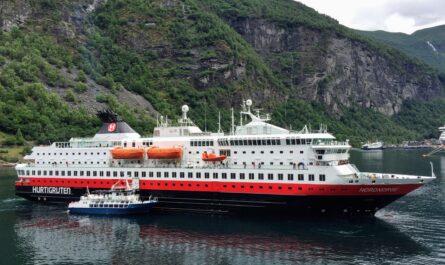
Norway’s fjords are among the most spectacular landscapes in Northern Europe, where steep mountains rise dramatically from deep blue-green water and waterfalls descend from cliffs into quiet coastal villages. For travelers who want to experience this scenery without constantly changing hotels or driving long mountain roads, a Norway fjords cruise from Bergen can be an excellent way to explore the country’s dramatic western coastline.
Bergen is often called the gateway to the Norwegian fjords because of its location between the sea and the mountains. From this historic city, cruise routes can lead toward famous destinations such as Flåm, Geiranger, Ålesund, Olden, Nordfjord, and other coastal communities.
A fjord cruise is not simply about reaching a series of ports. Much of the experience happens between destinations. The ship moves through narrow stretches of water surrounded by mountains, islands, waterfalls, forests, farms, and tiny settlements that can be difficult to reach by road.
This complete route guide explains how to plan a Norway fjords cruise from Bergen, what destinations to expect, how long to spend, which routes are popular, what to do at each stop, and how to prepare for changing Norwegian weather.
Why Start a Norway Fjords Cruise from Bergen?
Bergen is one of the most convenient starting points for exploring western Norway. The city combines a historic harbor, colorful architecture, mountain viewpoints, museums, restaurants, and easy access to the fjord region.
Starting in Bergen also makes it possible to combine a city stay with a cruise. Many travelers spend one or two nights in the city before boarding their ship.
Bergen itself deserves time before departure. Visitors can explore the historic Bryggen waterfront, walk around the harbor, visit local markets, and take a mountain excursion for panoramic views.
Another advantage is that Bergen is connected to several major fjord regions. Depending on the cruise itinerary, passengers may travel toward the Sognefjord, Hardangerfjord, Nordfjord, or the Geirangerfjord area.
Understanding the Norwegian Fjords
Before choosing a cruise, it helps to understand what a fjord actually is.
A fjord is a long, narrow body of seawater surrounded by steep land. Most Norwegian fjords were created when glaciers gradually carved deep valleys into the landscape over thousands of years. When the glaciers retreated, seawater flooded these valleys.
The result is a landscape with extraordinary depth and vertical scenery.
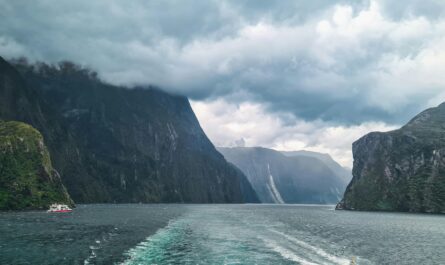
Some fjords extend far inland, while others are relatively short. Their surrounding mountains can rise dramatically above the water, creating the impression that the ship is sailing through a natural canyon.
This geography is one reason fjord cruising is different from a conventional ocean cruise. The scenery is often visible from both sides of the ship for long periods.
The Classic Bergen-to-Fjords Cruise Route
There is no single route called the official “Norway fjords cruise from Bergen.” Different cruise companies operate different itineraries, and routes change according to season and ship schedules.
However, a classic itinerary may include destinations such as:
Bergen → Flåm → Sognefjord → Olden/Nordfjord → Ålesund → Geiranger → Bergen
Some cruises visit only two or three fjord ports, while longer itineraries may include additional destinations.
The exact order can vary, but the following destinations represent some of the most important places to understand when planning a fjord cruise.
1. Bergen: The Gateway to the Fjords
Your journey usually begins in Bergen, one of Norway’s most recognizable coastal cities.
Before boarding your ship, consider spending at least one full day exploring Bergen.
Things to do in Bergen
Popular experiences include:
- Walking through the historic Bryggen district
- Exploring the harbor
- Visiting local museums
- Taking a mountain cable car or funicular
- Sampling Norwegian seafood
- Exploring the city’s narrow streets
- Photographing traditional wooden buildings
Bergen is also known for its rainy weather, so waterproof clothing can be useful even during summer.
If your cruise departs later in the day, avoid scheduling an excursion that requires a long transfer immediately before embarkation. Leaving some extra time gives you protection against transportation delays.
2. Flåm: Mountains, Railways, and the Aurlandsfjord
Flåm is one of the most famous stops on Norwegian fjord itineraries.
The village sits at the end of the Aurlandsfjord, an arm of the enormous Sognefjord system. It is surrounded by steep mountains and has become particularly famous for the scenic railway journey connecting Flåm with the mountain town of Myrdal.
The Flåm Railway is one of the major attractions for cruise passengers.
The train travels through a dramatic mountain landscape featuring waterfalls, valleys, tunnels, and steep slopes.
What to do in Flåm
You can choose from several types of experiences:
- Take the Flåm Railway
- Explore the village on foot
- Take a small-boat fjord excursion
- Visit viewpoints
- Enjoy local food
- Take a scenic cycling or hiking excursion
- Learn about the region’s railway history
Flåm can become busy when several cruise ships arrive simultaneously, so early planning can make your visit more comfortable.
3. Sognefjord: Norway’s Deep and Extensive Fjord System
Sognefjord is one of the most significant fjord systems in Norway and is sometimes referred to as the “King of the Fjords.”
It extends deep into western Norway and includes numerous smaller branches.
Cruising through this region gives travelers an opportunity to see changing landscapes. Near the coast, the scenery may include islands and relatively open water. Farther inland, the mountains become increasingly dramatic.
The Sognefjord region is particularly interesting for travelers who enjoy combining scenery with cultural and outdoor activities.
Depending on the port and excursion, visitors may encounter:
- Historic villages
- Mountain farms
- Waterfalls
- Hiking trails
- Churches
- Scenic viewpoints
- Local food traditions
Not every cruise enters the same sections of Sognefjord, so check the itinerary carefully rather than assuming that every “Sognefjord cruise” follows the same route.
4. Olden and Nordfjord: A Gateway to Glaciers
Olden is located near Nordfjord and is a popular cruise destination because of its proximity to spectacular mountain and glacier landscapes.
One of the major attractions from the area is the Briksdal Glacier, which can be reached through a scenic valley surrounded by dramatic peaks and waterfalls.
The glacier experience is particularly memorable for travelers who want to combine fjords with Norway’s glacial landscape.
Things to do around Olden
Depending on available excursions, you might:
- Visit Briksdal Glacier
- Explore the surrounding valley
- Take a scenic drive
- Enjoy lake and mountain views
- Go hiking
- Take a fjord sightseeing trip
- Explore nearby villages
Weather can influence glacier excursions, so travelers should keep flexible expectations.
5. Ålesund: Art Nouveau by the Sea
Ålesund provides a completely different experience from the smaller fjord villages.
The town is famous for its Art Nouveau architecture, created largely after a major fire destroyed much of the city in 1904. The rebuilt center features distinctive architectural details that make Ålesund visually different from many other Norwegian coastal towns.
One of the most popular viewpoints is Mount Aksla, which provides panoramic views over the town, islands, mountains, and surrounding waterways.
Things to see in Ålesund
Consider:
- Walking through the Art Nouveau center
- Climbing or visiting Mount Aksla
- Exploring local museums
- Visiting the harbor
- Taking a coastal excursion
- Sampling local seafood
Ålesund is an excellent port for travelers who want a mixture of architecture, history, photography, and natural scenery.
6. Geiranger: The Iconic Fjord Experience
For many travelers, Geiranger is the highlight of a Norway fjords cruise.
The Geirangerfjord is famous for its steep mountain walls, waterfalls, viewpoints, and dramatic scenery. As a ship enters the fjord, passengers may see waterfalls dropping directly from cliffs toward the water.
Among the famous waterfalls associated with the area are the Seven Sisters.
Geiranger is also surrounded by elevated viewpoints that provide spectacular perspectives over the fjord.
Popular Geiranger experiences
Cruise passengers can consider:
- Scenic viewpoint excursions
- Mountain drives
- Waterfall viewpoints
- Fjord sightseeing
- Hiking
- Village exploration
- Photography tours
One important consideration is that cruise schedules and port access can be affected by weather and seasonal conditions.
7. Hardangerfjord: Orchards and Mountain Landscapes
Some itineraries from Bergen include destinations connected with the Hardangerfjord region.
Hardangerfjord is particularly known for its combination of water, mountains, villages, and agricultural landscapes. In spring, flowering fruit trees can create an especially colorful setting.
Depending on your route, you may encounter orchards producing apples, pears, cherries, and other fruit.
Hardangerfjord is therefore a good choice for travelers interested in rural scenery and Norwegian food culture in addition to dramatic mountains.
8. What a Typical Cruise Day Looks Like
A fjord cruise day can be divided into several parts.
Morning
You may wake up while the ship is approaching a fjord or port. This can be one of the most scenic moments of the trip.
Keep your camera or phone nearby because landscapes can change quickly.
Midday
The ship may arrive at a port, allowing passengers to join excursions or explore independently.
Some ports are compact enough to explore on foot, while others require transportation to reach major attractions.
Afternoon
After returning to the ship, passengers often have time to relax while the vessel continues toward the next destination.
This is a good time to enjoy outdoor decks and watch the landscape.
Evening
Depending on the itinerary and season, the ship may sail through another scenic section of coastline during the evening.
In summer, daylight can last extremely late in western Norway, making evening scenery surprisingly bright.
Choosing the Best Season
The best time for a Norway fjords cruise depends on what you want to experience.
Spring
Spring brings longer daylight and melting snow. Waterfalls can be particularly impressive as seasonal snowmelt increases the amount of water flowing down the mountains.
Fruit blossoms can also add color in some fjord regions.
Summer
Summer is the most popular period for many fjord cruises.
Advantages include:
- Long daylight hours
- Generally milder conditions
- More available excursions
- Green landscapes
- Easy access to many attractions
However, popular ports can become busy during peak cruise periods.
Autumn
Autumn brings changing foliage and a quieter atmosphere.
September can provide a useful balance between summer conditions and fewer visitors, although weather becomes increasingly variable as the season progresses.
Winter
Winter cruising offers a completely different visual experience.
Snow-covered mountains, shorter daylight hours, and a quieter atmosphere can make the fjords look dramatically different.
However, some tourist attractions and seasonal excursions operate on reduced schedules.
How Many Days Do You Need?
The ideal cruise length depends on how many destinations you want to experience.
3–4 Days
A short cruise can provide a taste of the fjords.
This option works well for travelers with limited time, but there may not be enough time to explore multiple regions in depth.
5–7 Days
A week-long itinerary offers more opportunities to combine several fjord destinations.
You may have enough time to visit places such as Flåm, Ålesund, Geiranger, or Olden, depending on the specific route.
8–10+ Days
Longer itineraries can provide a broader view of western Norway.
They may include additional coastal destinations and more time at sea.
Longer cruises are particularly useful if your goal is to experience several different landscapes rather than concentrating on one fjord.
What to Pack for a Norwegian Fjords Cruise
Norwegian weather can change quickly, particularly around mountains and coastal areas.
Instead of packing only according to the season, prepare for changing conditions.
Useful items include:
- Waterproof jacket
- Warm layers
- Comfortable walking shoes
- Waterproof footwear
- Hat and gloves during colder months
- Sunglasses
- Sunscreen
- Small backpack
- Reusable water bottle
- Portable power bank
- Camera or smartphone
- Travel adapter
- Binoculars
Layering is particularly useful because temperatures can feel different on the ship’s outdoor decks compared with sheltered areas.
Photography Tips for a Fjord Cruise
Fjord cruises are ideal for landscape photography because the scenery changes continuously.
Photograph Early
Morning light can produce softer shadows and reflections on calm water.
Use Both Sides of the Ship
Do not spend the entire journey in one location. Fjord scenery can appear on either side of the ship.
Photograph Details
Instead of photographing only huge mountains, look for smaller elements:
- Wooden houses
- Waterfalls
- Boats
- Farms
- Reflections
- Bridges
- Snow patches
- Birds
Combining these elements can create more interesting photographs.
Protect Your Equipment
Rain, spray, and condensation can be problems.
A waterproof camera bag or protective cover is useful, especially when spending time on outdoor decks.
Cruise Excursions or Independent Exploration?
Both approaches have advantages.
Organized cruise excursions are convenient because transportation and timing are usually coordinated with the ship’s schedule.
Independent exploration can offer more flexibility, particularly in small ports where major attractions are close to the harbor.
However, cruise passengers need to be careful about timing. If you travel independently, allow enough time to return before departure.
Missing a ship departure can create serious logistical problems.
Tips for Saving Money on a Fjord Cruise
A Norway trip can become expensive, but careful planning can reduce unnecessary costs.
First, compare the total cruise price rather than focusing only on the advertised fare.
Consider:
- Port fees
- Gratuities
- Excursions
- Drinks
- Internet packages
- Transfers
- Hotel nights
- Flights
- Travel insurance
You can also save money by exploring some ports independently rather than purchasing an excursion for every stop.
Another useful strategy is to spend selectively on experiences that are difficult to arrange independently, such as specialized glacier tours or scenic railway journeys.
Should You Add Bergen Before or After the Cruise?
Adding extra time in Bergen can make the journey more relaxed.
A pre-cruise stay provides protection against flight delays and gives you time to explore the city before boarding.
A post-cruise stay can also work well if you prefer to finish the trip with a few relaxed days.
For international travelers, arriving in Bergen at least one day before departure can be a practical approach.
Combining a Fjord Cruise with a Land Journey
A cruise does not have to be your entire Norwegian vacation.
One of the best ways to experience western Norway is to combine a cruise with land travel.
For example, travelers could spend time in Bergen, take a fjord cruise, and then continue by train or road toward another Norwegian destination.
This creates a more varied trip because you experience the fjords from both water and land.
A cruise gives you the convenience of moving between destinations while unpacking only once, whereas a land journey can take you deeper into smaller communities and mountain areas.
Is a Norway Fjords Cruise Worth It?
A fjord cruise provides a distinctive way to experience Norway’s dramatic geography.
The major attraction is not simply the ports. It is the journey between them.
Watching mountains rise from the water, seeing waterfalls appear around a bend, passing isolated farms, and traveling through narrow stretches of fjord can make the voyage itself feel like an excursion.
For travelers who prefer convenience, scenic views, and access to several destinations without repeatedly changing accommodation, cruising can be a practical option.
However, travelers who want long hikes, extended time in individual villages, or deeper cultural immersion may prefer combining a cruise with independent land travel.
Final Thoughts
A Norway fjords cruise from Bergen offers an accessible introduction to one of Europe’s most dramatic natural landscapes. From Bergen’s historic waterfront to Flåm’s mountain railway, Olden’s glacier scenery, Ålesund’s Art Nouveau streets, and Geiranger’s spectacular waterfalls, each destination offers a different perspective on western Norway.
The key to planning a successful itinerary is understanding that no two fjord cruises are exactly alike. Routes, ports, sailing times, excursions, and seasonal conditions can vary considerably.
Before booking, compare the exact itinerary rather than choosing a cruise based only on its title. Check which fjords the ship actually enters, how much time it spends in each port, whether excursions are included, and whether the attractions you most want to see are available during your travel dates.
With sensible planning, appropriate clothing, flexible expectations, and enough time to enjoy both Bergen and the fjord destinations, a cruise can turn a Norwegian coastal journey into an unforgettable exploration of mountains, water, villages, waterfalls, and glacial landscapes.