 by
by Fjord landscapes feel almost unreal at first glance. Vertical cliffs rise dramatically from still, dark waters. Waterfalls appear like threads of silver against stone, and narrow inlets stretch far into mountainous terrain. These environments are often admired for their beauty—but they are equally defined by their potential for adventure.
From the iconic fjords of Norway to remote corners of New Zealand and Iceland, these regions offer a rare combination of scale, variety, and accessibility. Whether you’re drawn to adrenaline-fueled challenges or immersive nature experiences, fjords provide a setting where every activity feels amplified.
This guide explores some of the most adventurous experiences you can have in fjord regions—each offering a different way to engage with these powerful landscapes.
1. Kayaking Beneath Towering Cliffs
One of the most intimate ways to experience a fjord is from the water itself. Kayaking places you at the base of cliffs that rise hundreds of meters overhead, giving you a sense of scale that’s impossible to grasp from above.
As you paddle:
- The water often remains calm and reflective
- Waterfalls may cascade nearby
- Wildlife occasionally appears along the shoreline
Unlike larger boats, kayaks allow you to move quietly and explore hidden corners of the fjord. Multi-day kayaking trips add another layer of adventure, allowing you to camp along remote shores and wake up surrounded by nature.
2. Standing on Iconic Cliff Edges
Fjord regions are home to some of the world’s most dramatic viewpoints. Reaching them often requires effort—but that’s part of the experience.
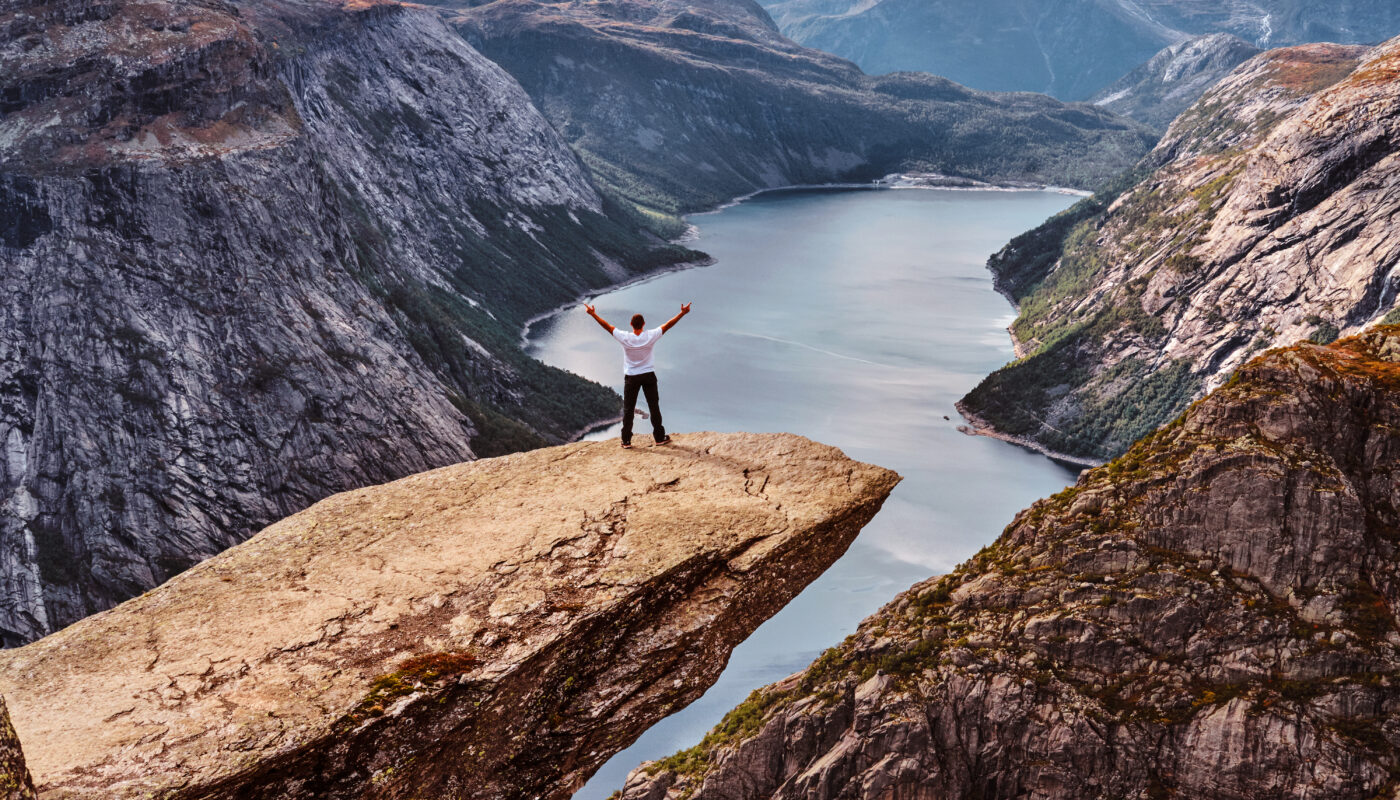
One of the most famous is Trolltunga, a narrow rock ledge that extends horizontally from a cliff face. Standing on it feels like stepping out into open air.
Another striking location is Kjeragbolten, a massive stone wedged between two cliffs high above a fjord.
These experiences combine physical challenge with psychological thrill, rewarding hikers with views that are both vast and unforgettable.
3. Climbing Via Ferrata Routes
Via ferrata routes offer a structured way to climb steep terrain without requiring advanced mountaineering skills. Fixed cables, ladders, and footholds guide you along exposed rock faces.
In fjord regions, these routes often trace cliff edges or ascend directly above water, creating a sense of height and exposure that is both exhilarating and manageable.
Some routes incorporate:
- Suspension bridges
- Vertical ladders
- Short zipline sections
This blend of elements turns a climb into a multi-dimensional adventure.
4. High-Speed Fjord Exploration by Boat
For those who prefer speed, high-powered boats offer a completely different experience of the fjords.
These fast rides take you:
- Close to waterfalls
- Through narrow channels
- Across open stretches of water
The combination of motion and scenery creates a dynamic experience that contrasts sharply with the stillness often associated with fjords.
Unlike traditional sightseeing cruises, these journeys emphasize excitement as much as exploration.
5. Glacier Exploration and Ice Walks
Many fjords were carved by glaciers, and in some regions, these massive ice formations are still accessible.
Walking on a glacier is a unique experience:
- The surface is textured with ridges and crevasses
- Ice formations change over time
- The environment feels both ancient and fragile
Guided tours provide equipment and expertise, ensuring safety while allowing you to explore this remarkable terrain.
6. Ziplining Across Valleys
Ziplining offers one of the most immediate ways to experience height and speed.
In fjord regions, ziplines are often positioned across valleys or near waterfalls, allowing you to:
- Glide above rivers and forests
- Take in panoramic views mid-flight
- Experience a brief but intense burst of adrenaline
Even short zipline rides can leave a lasting impression due to the dramatic surroundings.
7. Whitewater Rafting in Mountain Rivers
The rivers that feed fjords are often fast-moving and powerful, making them ideal for rafting.
Depending on the route, you may encounter:
- Gentle stretches for beginners
- Challenging rapids requiring teamwork and coordination
Rafting combines physical activity with the thrill of navigating unpredictable water, all set against a backdrop of steep valleys and rugged terrain.
8. Multi-Day Trekking Through Remote Landscapes
For those seeking deeper immersion, multi-day hikes provide a way to truly connect with fjord environments.
These journeys often include:
- Crossing mountain plateaus
- Descending into valleys
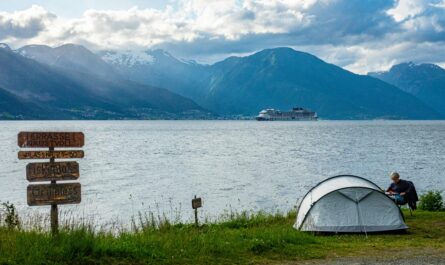
- Camping in remote locations
Unlike shorter excursions, multi-day treks allow you to experience the landscape at different times of day, from early morning light to quiet evenings under the sky.
9. Winter Adventures in Snow-Covered Fjords
Fjord regions transform dramatically in winter. Snow blankets the landscape, creating new opportunities for adventure.
Activities include:
- Ski touring across untouched terrain
- Snowshoeing through forests and open areas
- Ice climbing on frozen waterfalls
One particularly memorable experience is dog sledding, where teams of dogs pull you across snowy landscapes, combining speed with a sense of connection to tradition.
10. Stand-Up Paddleboarding for Calm Exploration
Not all adventure needs to be fast or intense. Stand-up paddleboarding (SUP) offers a quieter, more reflective experience.
Standing on the board gives you a slightly elevated perspective, allowing you to:
- Observe details along the shoreline
- Move at your own pace
- Combine balance with exploration
This activity is especially appealing in calm conditions, where the water reflects the surrounding cliffs and sky.
11. Cycling Along Fjord Roads
Cycling provides a dynamic way to explore fjord regions on land. Roads often follow the contours of the landscape, offering constant changes in perspective.
With the help of e-bikes, even steep climbs become manageable, making it possible to:
- Cover longer distances
- Stop frequently for viewpoints
- Explore smaller villages along the way
Cycling blends physical effort with flexibility, allowing you to shape your journey.
12. Extreme Experiences: Cliffside Camping
For those looking for something truly unconventional, cliffside camping offers an unforgettable adventure.
In some locations, guided experiences allow you to:
- Sleep in a suspended tent attached to a rock face
- Wake up with a view directly over a fjord
- Experience the landscape from an entirely new angle
While not for everyone, this activity represents the extreme end of fjord exploration.
Why Fjord Adventures Feel So Unique
What makes adventure in fjord regions different from other destinations is the combination of elements:
- Vertical scale: Cliffs and mountains create dramatic elevation changes
- Water access: Fjords provide a natural pathway through the landscape
- Variety: Activities range from calm exploration to high-adrenaline challenges
This diversity allows travelers to tailor their experience, choosing activities that match their comfort level and interests.
Important Considerations for Travelers
Adventure in fjord regions comes with unique challenges.
Weather Conditions
Weather can change quickly, especially in mountainous areas. Preparation is essential.
Terrain
Many activities involve uneven or steep terrain, requiring appropriate footwear and fitness levels.
Safety
Guided tours are recommended for activities such as glacier hiking, rafting, and via ferrata climbing.
Respecting the environment and understanding your limits are key to a safe and enjoyable experience.
Final Thoughts
Fjord regions offer more than just scenic beauty—they provide opportunities to engage with nature in ways that are both challenging and rewarding.
Whether you’re paddling through still waters, standing on a cliff edge, or trekking through remote landscapes, each experience brings you closer to the essence of these environments.
The most adventurous moments are not always the most extreme. Sometimes, they come from simply placing yourself in a setting that feels vast, powerful, and alive.
In the end, what makes fjord adventures unforgettable is not just what you do, but how those experiences change your perspective—on nature, on travel, and on your own sense of possibility.