 by
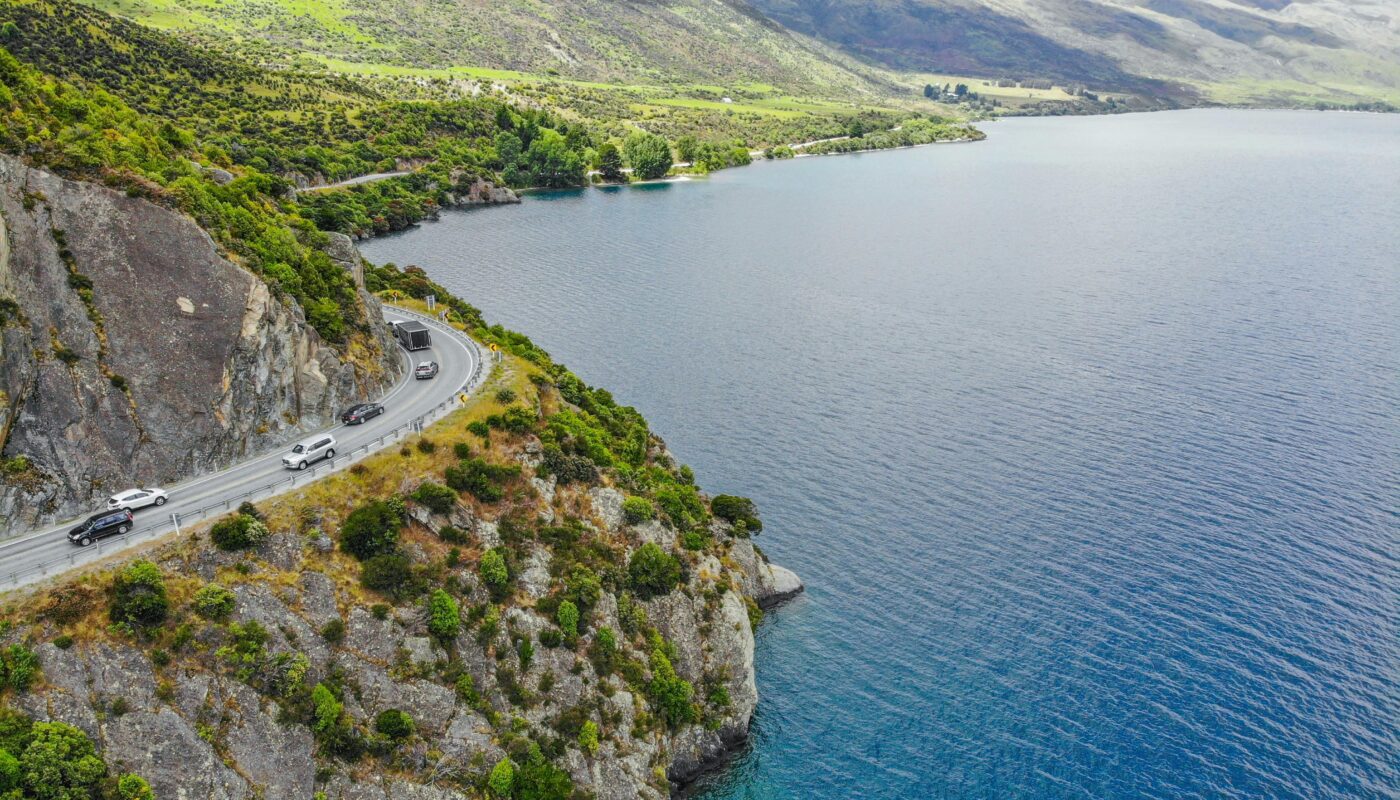
by The journey to Milford Sound is often described as one of the most beautiful road trips in the world. Located deep within New Zealand’s Fiordland National Park, Milford Sound attracts travelers with its dramatic cliffs, waterfalls, rainforest valleys, and mist-covered mountains. Yet many visitors quickly realize that the drive itself is just as breathtaking as the destination.
The road to Milford Sound is not simply a route connecting two points. It is an immersive travel experience through some of the most spectacular natural scenery in the Southern Hemisphere. Towering mountain peaks rise above glacier-carved valleys, mirror-like lakes reflect changing skies, and waterfalls tumble from cliffs surrounded by ancient rainforest. Every few kilometers reveal another viewpoint that feels worthy of stopping.
Stretching roughly 120 kilometers from Te Anau to Milford Sound, the Milford Road passes through landscapes shaped by glaciers, earthquakes, rivers, and centuries of extreme weather. The road crosses alpine terrain, dense forests, open valleys, and dramatic mountain passes before eventually reaching the famous fjord itself.
Because the scenery changes constantly, rushing the drive often becomes a mistake. The true beauty of the Milford journey lies in slowing down and exploring the remarkable stops along the way.
Why the Milford Road Is So Famous
Milford Road, also known as State Highway 94, is considered one of New Zealand’s greatest scenic drives because of the extraordinary variety of landscapes packed into a relatively short distance.
Travelers encounter:
- Glacier-carved valleys
- Alpine mountains
- Reflective lakes
- Waterfalls
- Rainforests
- Mirror-like rivers
- Snow-covered peaks
- Wildlife viewing opportunities
The road itself also represents a major engineering achievement. Built through difficult mountain terrain, it passes through remote wilderness that once required days of travel by foot.
Unlike highways designed purely for transportation, Milford Road feels deeply connected to the natural environment around it. Sharp mountain walls and rapidly changing weather create a sense of adventure that few roads in the world can match.
Te Anau: The Gateway to Fiordland
Most journeys to Milford Sound begin in the lakeside town of Te Anau.
Situated beside the enormous Lake Te Anau, this peaceful town serves as the main gateway into Fiordland National Park. Many travelers spend a night here before beginning the drive because it offers accommodation, restaurants, fuel stations, and opportunities to explore nearby scenery.
Lake Te Anau itself is worth experiencing before heading toward Milford Sound.
Early mornings often bring:
- Mist floating above the lake
- Calm reflections
- Snow-capped mountain views
- Peaceful walking trails
The atmosphere in Te Anau feels much quieter and slower compared to larger tourist destinations in New Zealand.
For travelers wanting a relaxed start to the journey, the lakefront area provides beautiful sunrise photography opportunities before entering the dramatic mountain landscapes farther north.
Eglinton Valley: A Landscape Shaped by Ice
One of the first major scenic areas along Milford Road is Eglinton Valley.
This wide valley immediately captures attention because it feels very different from the dense forests surrounding much of Fiordland. The landscape opens dramatically, revealing broad grasslands framed by steep mountains and forest-covered slopes.
The valley was formed by ancient glaciers that carved enormous pathways through the mountains thousands of years ago.
Today, visitors often stop here to:
- Photograph the valley scenery
- Observe changing cloud formations
- Experience the scale of Fiordland’s mountains
- Enjoy peaceful roadside viewpoints
The straight sections of road through Eglinton Valley create iconic photographic compositions, especially during golden-hour lighting when long shadows stretch across the landscape.
In misty or rainy conditions, the valley becomes especially atmospheric as clouds drift low across the mountain slopes.
Mirror Lakes: One of the Most Photographed Stops
Mirror Lakes is among the most famous stops on the Milford Road.
Located beside a short boardwalk trail, these small lakes become remarkably reflective during calm weather conditions. On still mornings, surrounding mountains appear perfectly mirrored in the water’s surface.
The reflections can look almost unreal, especially when early light illuminates nearby peaks.
The area is particularly popular because:
- It is easily accessible
- The reflections photograph beautifully
- The boardwalk provides simple walking access
- Native forest surrounds the lakes
Despite being a relatively short stop, Mirror Lakes often becomes one of the most memorable moments of the drive because of its peaceful atmosphere and visual symmetry.
The best conditions usually occur early in the morning before wind disturbs the water.
Knobs Flat: A Remote Mountain Rest Area
Further along the road lies Knobs Flat, one of the few developed stopping areas within the remote Fiordland landscape.
Although relatively simple, this area provides:
- Rest facilities
- Picnic opportunities
- Mountain scenery
- Forest surroundings
The isolation of Knobs Flat reminds travelers how remote the Milford region truly is.
Surrounded by mountains and dense wilderness, the area offers a chance to pause and appreciate the scale of Fiordland National Park before continuing deeper into the alpine environment.
Lake Gunn: Quiet Reflections and Forest Trails
Lake Gunn is another beautiful stop where travelers can experience a quieter side of Fiordland.
The lake sits beside native forest and often reflects surrounding mountains and trees in calm weather conditions.
A short nature walk through the surrounding forest introduces visitors to:
- Moss-covered trees
- Native ferns
- Birdlife
- Peaceful lakeside scenery
Unlike some of the busier viewpoints, Lake Gunn often feels calm and uncrowded, especially outside peak travel times.
Photographers frequently appreciate the softer, more intimate atmosphere here compared to the dramatic mountain vistas farther ahead.
The Chasm: Power of Water and Rock
One of the most fascinating natural features along the Milford Road is The Chasm.
Accessible via a short forest walk, this area showcases the incredible force of glacial water carving through rock over thousands of years.
Fast-moving water rushes through narrow channels, creating:
- Sculpted rock formations
- Deep pools
- Swirling currents
- Miniature waterfalls
The contrast between smooth carved rock and powerful rushing water demonstrates how glaciers and rivers shaped the Fiordland landscape.
The surrounding rainforest adds another layer of beauty, especially after rainfall when the forest appears intensely green.
Because Fiordland receives extremely high rainfall, waterfalls and river systems remain constantly active throughout much of the year.
Monkey Creek: Crystal-Clear Mountain Water
Monkey Creek is a small but popular stop known for its exceptionally clear mountain water.
Fed directly by alpine snowmelt, the creek flows through open mountain scenery with dramatic peaks surrounding the valley.
Travelers often stop here to:
- Photograph the mountain landscape
- Observe reflections in the creek
- Experience the fresh alpine environment
On clear days, the surrounding scenery feels incredibly pristine and untouched.
The area also demonstrates how pure and cold Fiordland’s alpine water systems remain.
Hollyford Valley Lookout: Vast Wilderness Views
The Hollyford Valley Lookout offers one of the most expansive panoramic views along the drive.
From this elevated viewpoint, travelers can see deep valleys stretching into distant wilderness surrounded by rugged mountain peaks.
The scale of Fiordland becomes especially clear here.
Unlike narrow roadside viewpoints, the lookout provides a broader perspective of how enormous and remote the surrounding landscape truly is.
Changing weather conditions often create dramatic visual effects as clouds move through the valleys below.
The Homer Tunnel: Engineering Through the Mountains
The Homer Tunnel represents one of the most remarkable sections of the Milford Road.
Carved directly through solid mountain rock, the tunnel allows travelers to pass beneath the mountains into the Milford Sound region.
Driving through the tunnel feels dramatic because:
- The entrance emerges from steep alpine terrain
- Waterfalls often cascade nearby
- Weather conditions can change suddenly
- The tunnel itself feels isolated and rugged
The surrounding mountains near the tunnel frequently remain snow-covered during colder months.
Kea parrots, famous alpine birds native to New Zealand, are also sometimes spotted near the tunnel area.
Cleddau Valley: The Final Descent
After exiting the Homer Tunnel, the road descends dramatically through Cleddau Valley toward Milford Sound.
This final section of the drive is often considered one of the most visually impressive.
Steep cliffs, waterfalls, dense rainforest, and rapidly changing weather create a cinematic atmosphere unlike almost anywhere else in New Zealand.
During rainy conditions, hundreds of temporary waterfalls may appear across the mountain walls.
The valley feels deeply enclosed by towering mountains, creating a sense of entering another world entirely.
Many travelers find themselves stopping repeatedly during this section because the scenery changes around nearly every corner.
Milford Sound Arrival: A Reward Beyond Expectations
After hours of extraordinary scenery, Milford Sound finally appears at the end of the road.
The fjord itself is surrounded by towering cliffs, dark water, rainforest-covered mountains, and countless waterfalls.
Mitre Peak, the region’s most iconic mountain, rises dramatically above the fjord and dominates the landscape.
Even after experiencing numerous scenic stops along the way, arriving at Milford Sound still feels breathtaking.
The combination of:
- Deep fjord waters
- Vertical cliffs
- Misty atmosphere
- Waterfalls
- Mountain reflections
creates one of the most unforgettable natural settings in New Zealand.
Weather: The Secret Ingredient of Fiordland
One reason the Milford Road feels so dramatic is its constantly changing weather.
Fiordland is among the wettest regions on Earth, and rainfall strongly shapes the landscape experience.
Many visitors hope for sunny weather, but rain often makes the scenery even more spectacular.
Heavy rainfall creates:
- Temporary waterfalls
- Mist-filled valleys
- Moody mountain atmospheres
- Reflective surfaces
- Intensely green rainforest scenery
Sunny days provide clearer mountain views, while rainy days create a more dramatic and mysterious environment.
Both conditions offer unique photographic opportunities.
Best Time to Drive the Milford Road
Each season changes the experience significantly.
Summer
Summer offers:
- Longer daylight hours
- Green landscapes
- Easier driving conditions
- Higher visitor numbers
Autumn
Autumn provides:
- Rich seasonal colors
- Cooler temperatures
- Fewer crowds
- Beautiful lighting conditions
Winter
Winter transforms the region into:
- Snow-covered mountain scenery
- Frosty valleys
- Dramatic alpine landscapes
- Quieter roads
Spring
Spring brings:
- Melting snow
- Powerful waterfalls
- Fresh greenery
- Changing weather patterns
Each season creates a completely different visual atmosphere.
Photography Tips for the Journey
The Milford Road is a dream location for photographers.
Helpful tips include:
- Start early to avoid crowds
- Allow extra time for stops
- Carry rain protection for equipment
- Use wide-angle lenses for landscapes
- Watch for changing light conditions
- Photograph reflections during calm mornings
Patience is especially important because Fiordland weather changes rapidly.
Sometimes the most dramatic scenes appear suddenly as clouds shift or sunlight breaks through mist.
Responsible Travel in Fiordland
As visitor numbers increase, protecting Fiordland’s fragile ecosystems becomes increasingly important.
Travelers can help by:
- Staying on marked trails
- Respecting wildlife
- Avoiding littering
- Driving carefully
- Supporting sustainable tourism practices
Fiordland’s beauty depends heavily on preserving its wilderness character.
Responsible tourism helps ensure future generations can continue experiencing these extraordinary landscapes.
Final Thoughts
The road to Milford Sound is far more than a scenic drive. It is a journey through one of the most remarkable natural environments in the world.
From reflective lakes and glacier-carved valleys to waterfalls, mountain tunnels, and rainforest-covered cliffs, every stop along the route reveals another layer of Fiordland’s beauty.
While Milford Sound itself remains an unforgettable destination, the scenic stops along the way often become equally meaningful parts of the experience.
The journey encourages travelers to slow down, observe carefully, and appreciate the immense power of nature that shaped New Zealand’s southern wilderness over thousands of years.
For many visitors, the drive to Milford Sound becomes not just transportation, but one of the most memorable road trips they will ever experience.