 by
by When most people hear the word “fjord,” they immediately think of Norway’s dramatic cliffs and glacier-carved waterways. Norway has undeniably become the global symbol of fjord travel, attracting millions of visitors every year with its famous landscapes. Yet many travelers are surprised to learn that North America is also home to some of the world’s most breathtaking fjord scenery.
Stretching from the icy coastlines of Alaska and Canada to remote corners of Greenland and even parts of the northeastern United States, North America contains extraordinary fjord landscapes that often remain overlooked by international tourism. Many of these places offer the same towering mountains, glacier-fed waters, waterfalls, wildlife, and dramatic scenery associated with Scandinavian fjords — but with fewer crowds and a stronger sense of wilderness.
Unlike some heavily visited European fjord destinations, many North American fjords still feel raw, isolated, and deeply untamed. Travelers exploring these regions often experience landscapes where forests reach directly to the water’s edge, glaciers descend from rugged mountains, and wildlife outnumbers people.
Some fjords are accessible only by boat or floatplane. Others hide quietly beside small coastal communities rarely mentioned in major travel guides. Together, they form some of the most underrated natural landscapes on the continent.
What Makes a Fjord Unique?
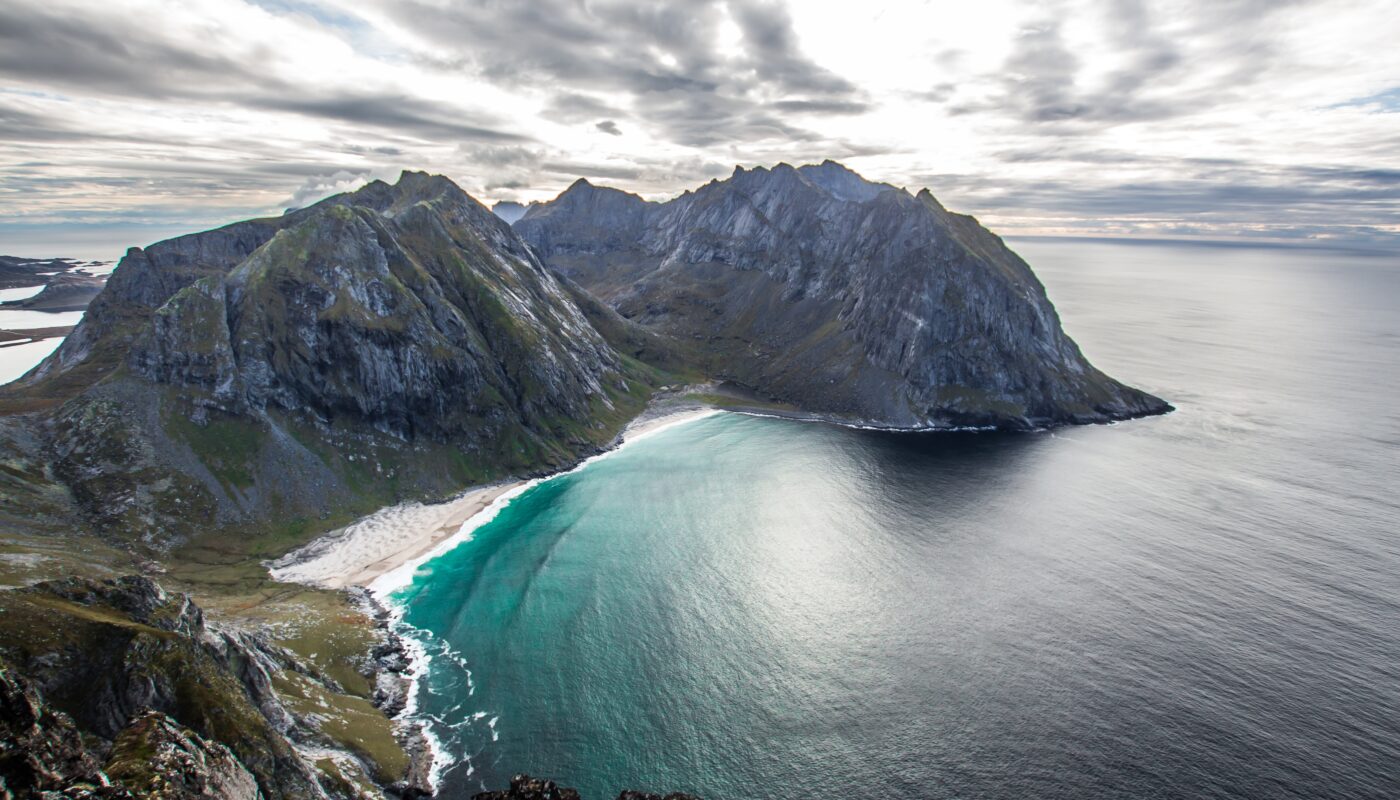
A fjord is a long, narrow inlet formed by glaciers that carved deep valleys through mountains before filling with seawater after the glaciers retreated.
Fjords are typically characterized by:
- Steep mountain walls
- Deep water channels
- Glacier-shaped valleys
- Waterfalls
- Dramatic coastal scenery
Because fjords are created through powerful geological processes over thousands of years, they often rank among the most visually striking landscapes on Earth.
North America’s fjords formed largely during past Ice Ages when enormous glaciers reshaped coastal mountain regions.
Today, many remain relatively untouched compared to more famous fjord destinations worldwide.
Alaska’s Hidden Fjord Wilderness
Alaska contains some of North America’s most extraordinary fjord landscapes, yet many remain overshadowed by more famous cruise destinations.
While places like Glacier Bay receive significant attention, numerous lesser-known fjords offer equally dramatic scenery with far fewer visitors.
College Fjord
Located within Prince William Sound, College Fjord is one of Alaska’s most spectacular hidden gems.
The fjord is surrounded by:
- Massive glaciers
- Snow-covered mountains
- Deep blue water
- Icebergs drifting silently across the surface
College Fjord is particularly notable because of the abundance of glaciers that plunge straight into the water. Several glaciers within the fjord are named after prestigious universities, creating an unusual historical naming tradition.
Unlike more crowded tourist regions, College Fjord often feels incredibly peaceful and remote.
Wildlife sightings may include:
- Sea otters
- Whales
- Bald eagles
- Harbor seals
The stillness of the landscape creates a powerful sense of isolation rarely found in modern travel destinations.
Tracy Arm Fjord
Another underrated Alaskan fjord is Tracy Arm, located southeast of Juneau.
This narrow fjord stretches deep into wilderness surrounded by towering granite cliffs and dense forests.
Travelers encounter:
- Waterfalls cascading from cliffs
- Floating icebergs
- Glacial scenery
- Sharp mountain peaks
Tracy Arm feels especially dramatic because of its narrow shape. In some sections, steep cliffs rise almost vertically from the water, creating an enclosed and cinematic atmosphere.
The fjord’s remoteness also helps preserve its untouched appearance.
British Columbia’s Spectacular Coastal Fjords
Despite having one of the world’s greatest fjord systems, many tourists are surprisingly ignorant about Canada’s western coastline.
British Columbia’s fjords combine:
- Temperate rainforest
- Mountain scenery
- Indigenous cultural history
- Marine ecosystems
- Remote coastal communities
The region’s scale is enormous, with countless fjords cutting deep into the Coast Mountains.
Howe Sound
Located surprisingly close to Vancouver, Howe Sound is often overlooked despite its incredible beauty.
As North America’s southernmost fjord, Howe Sound offers:
- Mountain-lined waterways
- Islands
- Waterfalls
- Forested slopes
- Coastal wildlife
Because it sits near a major city, many travelers underestimate its scenic value.
However, kayaking, hiking, and boat tours reveal a landscape that feels far removed from urban life.
The Sea-to-Sky Highway running alongside the fjord provides some of western Canada’s most dramatic road-trip scenery.
Burke Channel and Dean Channel
Further north along British Columbia’s coast lie Burke Channel and Dean Channel, two remote fjord systems rarely visited by mainstream tourists.
These fjords feel exceptionally wild because:
- Access is limited
- Human development is minimal
- Wildlife populations remain strong
Travelers may encounter:
- Grizzly bears
- Orcas
- Salmon rivers
- Ancient rainforest
The surrounding mountains rise steeply from the water, creating dramatic scenery comparable to famous Norwegian fjords.
Yet these regions remain largely unknown outside adventure tourism circles.
Newfoundland’s Overlooked Fjord Landscapes
Eastern Canada also contains impressive fjord scenery, especially in Newfoundland and Labrador.
These Atlantic fjords offer a different atmosphere from western North America. Instead of dense rainforest, visitors encounter rugged coastlines shaped by harsh ocean weather and geological history.
Western Brook Pond
Despite its name, Western Brook Pond in Newfoundland is actually a landlocked fjord created by glacial activity.
Located within Gros Morne National Park, the landscape features:
- Massive cliffs
- Waterfalls
- Freshwater fjord scenery
- Dramatic geological formations
The fjord’s cliffs rise dramatically from calm water surfaces, creating a powerful sense of scale.
Boat tours through the fjord allow visitors to experience towering rock walls and isolated wilderness scenery.
Western Brook Pond feels comparatively underappreciated despite its exceptional beauty because Gros Morne is still not as well-known worldwide as many other nature sites.
Saglek Fjord
In Labrador, Saglek Fjord offers another remarkable but little-known fjord landscape.
This remote Arctic environment features:
- Rugged mountains
- Cold northern waters
- Minimal human presence
- Dramatic geological scenery
The fjord’s isolation makes it difficult to access, but that remoteness helps preserve its pristine wilderness character.
Greenland’s Untouched Fjord Giants
Although geographically connected to North America, Greenland often receives less tourism attention compared to Europe.
Yet Greenland contains some of the planet’s largest and most dramatic fjord systems.
Scoresby Sund
Scoresby Sund is the world’s largest fjord system and one of Earth’s greatest wilderness landscapes.
Located on Greenland’s eastern coast, it features:
- Enormous icebergs
- Arctic mountains
- Glaciers
- Remote Inuit communities
- Endless polar scenery
The sheer scale of Scoresby Sund is difficult to comprehend.
Massive ice formations drift silently through deep channels surrounded by mountains stretching across the horizon.
Because access requires specialized Arctic travel, the region remains incredibly uncrowded.
Travelers who visit often describe the experience as otherworldly.
Ilulissat Icefjord
While somewhat better known than other Greenlandic fjords, Ilulissat Icefjord still feels underrated globally considering its extraordinary significance.
The fjord contains one of the fastest-moving glaciers in the world and produces enormous icebergs that drift into Disko Bay.
The combination of:
- Arctic light
- Ice movement
- Glacier activity
- Coastal culture
produces a landscape that is not found anywhere else on Earth.
Kenai Fjords National Park: Beyond the Cruise Routes
Many visitors to Alaska know Kenai Fjords National Park primarily through cruise tourism, but much of the region remains underexplored.
The park features:
- Glacier-fed fjords
- Ice fields
- Marine wildlife
- Mountain scenery
While some areas receive seasonal tourism, large portions of the coastline remain isolated and wild.
Kayaking through smaller fjords reveals:
- Quiet coves
- Ice formations
- Seabird colonies
- Whale activity
Unlike urbanized tourist destinations, the region still feels dominated entirely by nature.
Why These Fjords Remain Underrated
Several factors contribute to North America’s lesser-known fjord status.
Remote Access
Many fjords require:
- Boats
- Small aircraft
- Long drives
- Expedition travel
This naturally limits mass tourism.
Overshadowed by Famous Destinations
Global tourism marketing often focuses heavily on Norwegian fjords, leaving North American fjords less internationally recognized.
Limited Infrastructure
Some regions intentionally maintain limited development to preserve wilderness ecosystems.
Seasonal Challenges
Harsh weather and short travel seasons reduce accessibility in many northern fjord regions.
Ironically, these limitations help protect the landscapes from overtourism.
Wildlife Encounters in North American Fjords
One major advantage of North American fjords is their rich wildlife diversity.
Depending on location, travelers may encounter:
- Whales
- Sea lions
- Orcas
- Grizzly bears
- Bald eagles
- Puffins
- Seals
Because many fjords remain relatively undeveloped, ecosystems often feel more intact and dynamic than heavily urbanized coastal destinations.
Wildlife interactions frequently become defining memories of fjord travel experiences.
Indigenous Connections to Fjord Landscapes
Many fjord regions across North America hold deep cultural significance for indigenous communities.
For thousands of years, coastal indigenous peoples used fjord environments for:
- Fishing
- Transportation
- Spiritual practices
- Seasonal settlement
Today, indigenous traditions continue shaping local culture in many fjord regions.
Understanding these cultural connections adds important historical depth beyond the scenery itself.
Climate Change and Fragile Fjord Ecosystems
Like glacier regions worldwide, North American fjords face increasing environmental pressure from climate change.
Impacts include:
- Glacier retreat
- Ocean warming
- Changing ecosystems
- Wildlife shifts
- Rising sea levels
Some fjords already show visible changes in glacier size and ice coverage.
Protecting these landscapes requires balancing tourism, conservation, indigenous rights, and environmental sustainability.
Best Ways to Experience Fjord Landscapes
Travelers can experience North American fjords through various activities:
- Kayaking
- Wildlife cruises
- Hiking
- Photography
- Camping
- Scenic flights
- Road trips
Slow travel often creates the most meaningful experiences.
Because many fjords feel isolated and peaceful, spending extra time within the landscape allows travelers to appreciate subtle environmental details often missed during rushed itineraries.
Photography Opportunities
North American fjords provide exceptional opportunities for landscape photography.
Popular subjects include:
- Mountain reflections
- Icebergs
- Wildlife
- Waterfalls
- Northern lights
- Glacier formations
Changing weather conditions often create dramatic lighting and atmospheric scenes.
Mist, snowfall, and low clouds frequently enhance the mood of fjord environments.
The Appeal of Untouched Wilderness
Perhaps the greatest strength of North America’s underrated fjords is their wilderness character.
Unlike destinations heavily shaped by tourism infrastructure, many fjords still feel genuinely remote.
Travelers often experience:
- Silence
- Isolation
- Vast open landscapes
- Minimal crowds
- Raw natural beauty
This sense of untouched wilderness creates emotional experiences that remain increasingly rare in modern tourism.
Final Thoughts
North America’s fjord landscapes deserve far greater recognition for their extraordinary beauty, diversity, and ecological importance.
From Alaska’s glacier-filled waterways and British Columbia’s rainforest fjords to Newfoundland’s dramatic cliffs and Greenland’s Arctic giants, the continent offers some of the world’s most spectacular coastal scenery.
What makes these fjords especially remarkable is not only their visual beauty but also their sense of scale, remoteness, and wilderness. Many remain protected from overtourism simply because of their isolation and challenging access.
For travelers seeking dramatic landscapes beyond the usual tourist routes, North America’s underrated fjords provide unforgettable experiences shaped by glaciers, mountains, wildlife, and ancient geological forces.
In a world where many famous natural destinations feel increasingly crowded, these hidden fjord landscapes continue offering something rare: the feeling of discovering true wilderness.