 by
by Few landscapes on Earth feel as dramatic and ever-changing as the fjords of Norway. Towering cliffs, deep blue waters, and cascading waterfalls combine to create scenery that feels almost unreal. Among these natural wonders, waterfalls are the most dynamic feature—constantly shifting in volume, appearance, and intensity depending on the season.
But this raises an important question for travelers: when are waterfalls at their absolute best in fjord regions?
The answer is not as simple as a single month or season. Instead, waterfall beauty in fjords is shaped by melting snow, rainfall patterns, temperature shifts, and even sunlight angles. In this guide, we explore the seasonal rhythm of fjord waterfalls, the best times to visit, and what makes each season uniquely spectacular.
We will also look at iconic fjord regions such as Geirangerfjord and Nærøyfjord, along with famous waterfalls like Vøringsfossen, to help you plan the perfect waterfall-focused journey.
Understanding Fjord Waterfalls: Why They Change So Much
Fjord waterfalls are unlike many others in the world because they are directly tied to mountain snowmelt and weather cycles. These waterfalls often drop from steep cliffs carved by glaciers, meaning their water sources are highly seasonal.
Several natural forces affect their appearance:
1. Snowmelt from Mountains
Most fjord waterfalls are fed by snow that accumulates during winter. As temperatures rise in spring and early summer, melting snow dramatically increases water volume.
2. Rainfall Patterns
Fjord regions, especially western Norway, receive significant rainfall. This keeps waterfalls flowing even in dry periods, though intensity varies.
3. Glacier Contribution
Some waterfalls are fed by glaciers, which release meltwater more steadily but still peak during warmer months.
4. Temperature Fluctuations
Even small temperature changes can shift water flow, especially in higher-altitude streams feeding waterfalls.
Because of these factors, waterfalls in fjords are never static—they are living, changing features of the landscape.
Spring (March to May): The Awakening of the Waterfalls
Spring is often considered one of the most exciting times to visit fjords for waterfall enthusiasts.
What Happens in Spring?
As winter loosens its grip, snow begins to melt in the mountains. This process gradually feeds rivers and streams, causing waterfalls to grow stronger each week.
By late April and May, many waterfalls are already gaining impressive force, though peak flow may still be building.
Why Spring Is Special
- Waterfalls begin to “wake up” after winter
- Fewer tourists compared to summer
- Crisp air enhances visibility
- Snow-capped peaks still visible above green valleys
Travel Experience
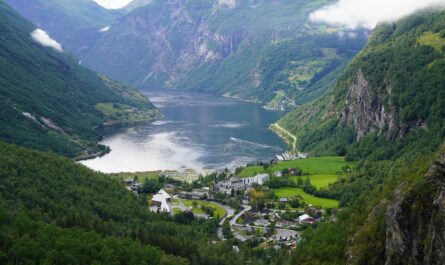
In fjords like Geirangerfjord, spring offers a striking contrast: roaring waterfalls plunging down cliffs still partially covered in snow. The landscape feels fresh and raw, with dramatic lighting and fewer crowds.
However, some higher roads or viewpoints may still be partially closed due to lingering snow.
Early Summer (June to Mid-July): Peak Waterfall Season
If there is one period widely considered the best time for waterfalls in fjords, it is early summer.
Why Early Summer Is Ideal
This is when snowmelt reaches its peak. Rivers swell, and waterfalls become powerful, thunderous, and visually spectacular.
What You Can Expect
- Maximum water volume in most waterfalls
- Strong mist and spray effects
- Vibrant green landscapes
- Long daylight hours (including near-midnight sun in northern areas)
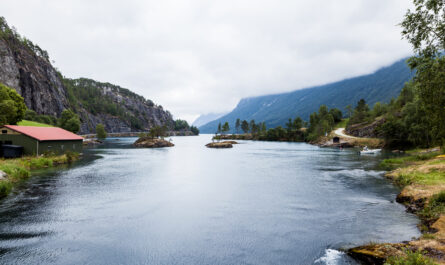
In regions such as Nærøyfjord, narrow cliffs amplify the sound of rushing water, making the experience even more immersive.
Iconic Waterfall Moments
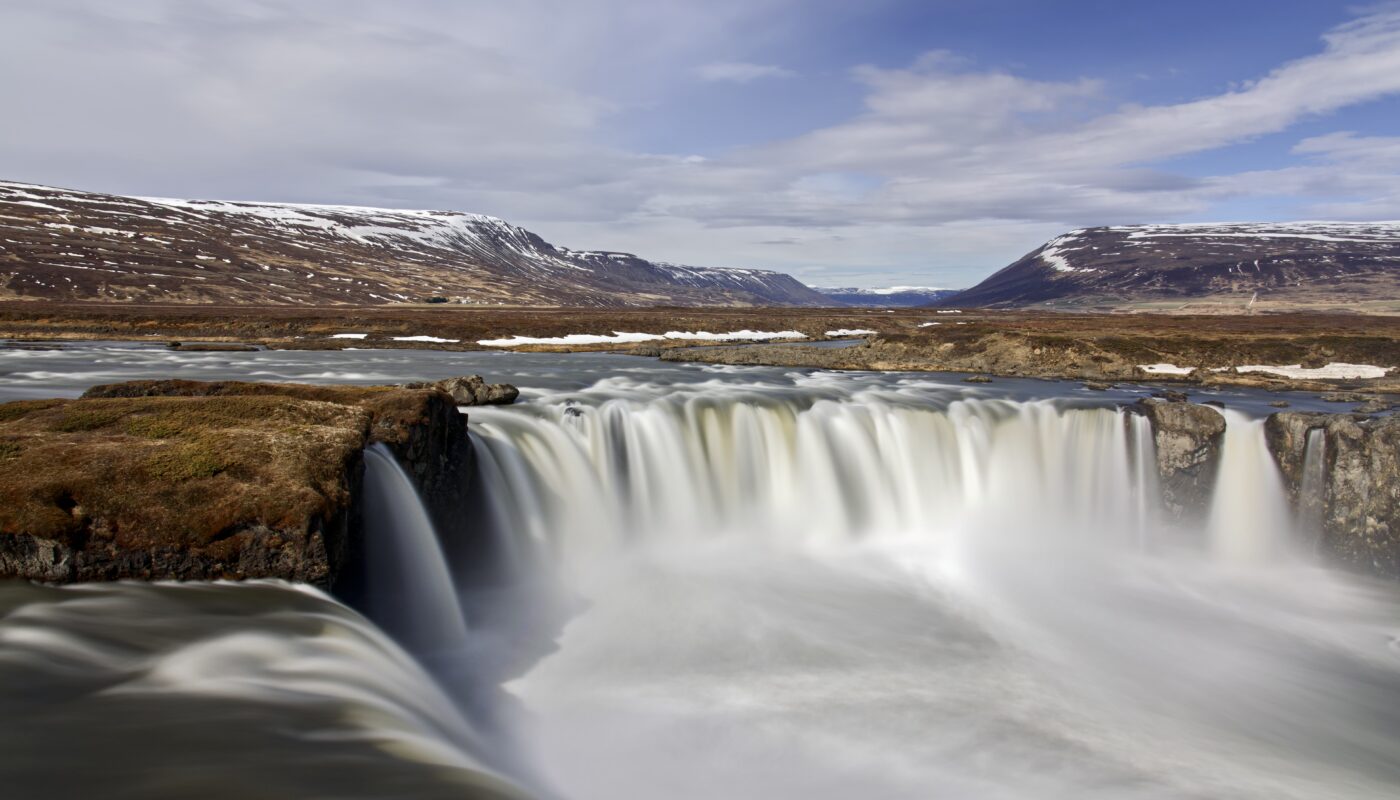
This is when waterfalls like Vøringsfossen are at their most powerful. The multiple drops and sheer volume of water create a thunderous spectacle that can be heard before it is seen.
Downsides
- More tourists during peak travel season
- Higher accommodation prices
- Popular viewpoints can be crowded
Despite this, early summer remains the most photogenic and dramatic period for waterfall photography.
Late Summer (Mid-July to August): Balanced Beauty
As summer progresses, snowmelt begins to reduce, but rainfall keeps waterfalls flowing steadily.
What Changes in Late Summer?
Waterfalls may not be at peak force, but they remain consistent and visually appealing. The surrounding landscapes are now fully green, with wildflowers and lush vegetation covering the valleys.
Why It’s Still a Great Time to Visit
- More stable weather conditions
- Warmer temperatures for hiking and cruising
- Clearer skies for photography
- Easier access to remote viewpoints
In Geirangerfjord, late summer offers a calmer atmosphere. Cruise ships glide through calm waters, and waterfalls provide a softer but still elegant flow down the cliffs.
Photography Perspective
Late summer is ideal for balanced compositions—less dramatic than peak flow, but more visually stable and accessible.
Autumn (September to October): A Hidden Gem Season
Autumn is often overlooked, but it offers one of the most atmospheric experiences in fjord regions.
Waterfall Conditions in Autumn
By this time, snowmelt has largely stopped, but seasonal rains take over. Waterfalls become more variable—sometimes strong, sometimes gentle—but always present.
What Makes Autumn Special
- Golden and red foliage contrasts with white waterfalls
- Fewer tourists and quieter landscapes
- Moody weather enhances dramatic scenery
- Mist and fog create cinematic effects
In fjords like Nærøyfjord, autumn mist often hangs between cliffs, giving waterfalls an almost mystical appearance.
Downsides
- Less predictable weather
- Shorter daylight hours
- Some tourist services may reduce operations
Still, for photographers and solitude seekers, autumn is one of the most rewarding times.
Winter (November to February): Frozen Silence
Winter transforms fjords into a completely different world.
What Happens to Waterfalls?
Many waterfalls partially freeze, creating icy sculptures along cliffs. Flow is significantly reduced in some areas, while others continue running beneath layers of ice.
The Visual Experience
- Frozen cascades and ice formations
- Snow-covered cliffs and valleys
- Minimal crowds
- Deep silence and stillness
In regions near Bergen, winter fjord excursions often reveal dramatic contrasts between dark waters and white frozen cliffs.
Challenges
- Limited daylight
- Cold temperatures
- Restricted access to some areas
Winter is not ideal for seeing waterfalls at their most powerful—but it is unmatched for atmospheric beauty.
Comparing the Seasons: When Are Waterfalls Truly at Their Best?
To summarize waterfall performance across the year:
Peak Power (Best Flow)
- Early Summer (June–mid July)
- Driven by snowmelt
- Maximum volume and sound
Best Photography Balance
- Late Summer (July–August)
- Stable flow and lush scenery
Most Atmospheric
- Autumn (September–October)
- Color contrast and mist effects
Most Unique Experience
- Winter (November–February)
- Frozen waterfalls and silence
Most Dynamic Transformation
- Spring (March–May)
- Rapidly changing water levels
Tips for Experiencing Fjord Waterfalls
1. Time Your Visit with Snowmelt
If your goal is maximum waterfall power, aim for late May to early July.
2. Check Weather Patterns
Rainfall can significantly increase waterfall intensity even outside peak season.
3. Visit Multiple Fjords
Each fjord has its own microclimate. For example:
- Geirangerfjord is known for dramatic vertical drops
- Nærøyfjord offers narrow, enclosed cliff scenery
4. Use Ferry and Cruise Routes
Water-based travel gives the best perspective of cliffside waterfalls.
5. Bring Weather-Ready Gear
Mist from waterfalls can make conditions wet even on sunny days.
Why Fjord Waterfalls Feel So Magical
Beyond timing and seasons, fjord waterfalls have an emotional impact. Their beauty comes from:
- Vertical scale—water falling hundreds of meters
- Constant motion—never the same twice
- Sound—deep roaring echoes through valleys
- Contrast—green cliffs, white water, blue fjords
Standing before a waterfall in places like Geirangerfjord is not just sightseeing—it is an immersive natural experience.
Conclusion: The Best Time Depends on What You Want to Feel
So, when are waterfalls at their best in fjords?
- For power and drama, visit in early summer
- For balanced beauty and accessibility, choose late summer
- For atmosphere and color, go in autumn
- For frozen landscapes, explore winter
- For raw transformation, experience spring
Ultimately, fjord waterfalls are not tied to a single “best” moment—they are seasonal performers that change roles throughout the year.
Whether you explore the towering cliffs of Nærøyfjord, the iconic views of Geirangerfjord, or the dramatic cascades near Vøringsfossen, each season reveals a different version of the same breathtaking story: water in motion, shaping one of the world’s most extraordinary landscapes.