by
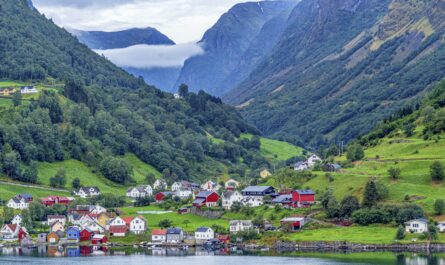
by Fjord regions are among the most spectacular natural environments on Earth. Towering cliffs, crystal-clear waters, ancient forests, snow-capped mountains, and glacier-fed rivers create landscapes that seem untouched by time. While many travelers visit fjords for their dramatic scenery, these remarkable ecosystems are also home to an incredible variety of wildlife.
From majestic whales swimming through deep fjord waters to agile mountain goats navigating steep cliffs, fjord habitats support a rich diversity of mammals, birds, fish, and marine life. The meeting point of mountains, forests, freshwater rivers, and the sea creates unique ecological conditions that allow many species to thrive.
Whether you’re exploring the famous Norwegian fjords, the dramatic coastlines of Iceland, the rugged inlets of New Zealand, the fjords of Greenland, or the remote channels of Chilean Patagonia, every journey offers opportunities to observe fascinating wildlife in its natural habitat.
This comprehensive guide explores the animals you may encounter in fjord regions, the best times to spot them, and how to enjoy wildlife responsibly while protecting these fragile ecosystems.
Why Fjord Regions Support Rich Wildlife
Fjords are far more than scenic waterways. Their unique geography creates a wide range of habitats within relatively small areas.
A typical fjord includes:
- Deep saltwater channels
- Rocky coastlines
- Freshwater rivers
- Wetlands
- Dense forests
- Alpine meadows
- Snowfields
- Glaciers
- Mountain cliffs
Each habitat supports different plant and animal communities.
The nutrient-rich waters found in many fjords also support abundant marine life, forming the foundation of complex food webs that include fish, seabirds, seals, dolphins, and whales.
Marine Mammals You Might Encounter
One of the biggest highlights of visiting fjord regions is the opportunity to observe marine mammals.
Whales
Many fjords provide seasonal feeding grounds for whales because cold, nutrient-rich waters attract fish and krill.
Depending on the area and time of year, tourists might observe:
- Humpback whales
- Orcas (killer whales)
- Minke whales
- Fin whales
- Blue whales (less commonly)
- Pilot whales in some locations
Watching a whale surface between steep mountain walls is one of the most unforgettable wildlife experiences imaginable.
Whale activity often peaks when schools of fish migrate into fjords during autumn and winter, although timing varies by location.
Dolphins and Porpoises
Several species of dolphins and porpoises inhabit fjord waters.
Common sightings include:
- Harbor porpoises
- White-beaked dolphins
- Bottlenose dolphins in certain regions
- Dusky dolphins in parts of the Southern Hemisphere
These intelligent marine mammals frequently approach boats and may swim alongside vessels for short distances.
Seals
Seals are among the most commonly observed marine mammals in fjord environments.
Species vary by region but may include:
- Harbor seals
- Gray seals
- Fur seals
- Leopard seals near Antarctic fjords
- Elephant seals in parts of southern Patagonia
Seals often rest on rocky shorelines, floating ice, or small islands where they can safely avoid predators.
Sea Otters
In some northern coastal regions, particularly parts of Alaska, sea otters are an exciting wildlife sighting.
These playful animals spend much of their lives floating on the water’s surface while:
- Grooming
- Feeding
- Resting
- Caring for their young
Sea otters play an important ecological role by helping maintain healthy kelp forest ecosystems.
Birds of Fjord Regions
Fjords attract an extraordinary variety of birdlife because they provide nesting cliffs, coastal feeding grounds, rivers, and forests.
White-Tailed Eagles
The white-tailed eagle is one of Europe’s largest birds of prey and is frequently associated with Scandinavian fjords.
These impressive raptors are known for:
- Massive wingspans
- Sharp eyesight
- Powerful hunting skills
They often soar above fjords searching for fish and seabirds.
Puffins
Puffins are among the most beloved seabirds in northern fjord regions.
Recognizable by their colorful beaks during breeding season, they spend much of the year at sea before returning to coastal cliffs to nest.
Visitors may observe puffins:
- Flying rapidly over the water
- Carrying small fish
- Nesting in grassy cliff burrows
Their charming appearance makes them a favorite subject for wildlife photographers.
Cormorants
Cormorants are excellent underwater hunters.
You may see them:
- Diving for fish
- Drying their wings on rocks
- Perching near harbors
Their streamlined bodies make them highly efficient swimmers.
Gulls and Terns
Several gull and tern species inhabit fjord coastlines.
These adaptable birds feed on:
- Fish
- Shellfish
- Marine invertebrates
Although common, they play important roles within coastal ecosystems.
Arctic Terns
Arctic terns are famous for undertaking one of the longest migrations of any bird.
During summer they breed in northern coastal regions, including some fjord landscapes.
These graceful birds are energetic fliers and fiercely defend their nesting areas.
Herons and Waterbirds
Freshwater rivers and wetlands near fjords may host:
- Herons
- Ducks
- Geese
- Swans
These birds rely on calm waters rich in aquatic vegetation and fish.
Mountain Mammals
The steep terrain surrounding fjords provides excellent habitat for mountain wildlife.
Mountain Goats
Mountain goats are remarkable climbers capable of navigating near-vertical cliffs.
They possess:
- Specialized hooves
- Excellent balance
- Thick insulating coats
Observing them on seemingly impossible rock faces is one of the most memorable mountain wildlife experiences.
Reindeer and Caribou
In northern fjord regions, reindeer or caribou may roam alpine tundra and open mountain plateaus.
They migrate seasonally in search of food and are well adapted to cold climates.
Red Deer
Many Scandinavian fjord forests support healthy populations of red deer.
They are most active during:
- Dawn
- Dusk
During autumn, males engage in dramatic rutting displays accompanied by loud calls echoing through valleys.
Moose
Moose live in the woodlands that surround fjords in portions of Norway, Sweden, Canada, and Alaska.
Despite their large size, they often remain surprisingly difficult to spot because of dense vegetation.
Moose are excellent swimmers and occasionally cross rivers or fjord inlets.
Smaller Forest Mammals
Not every wildlife encounter involves large animals.
Forest ecosystems support many smaller mammals.
Possible sightings include:
- Foxes
- Pine martens
- Red squirrels
- Hares
- Stoats
- Weasels
Although shy, these animals contribute significantly to healthy ecosystems.
Marine Fish
Healthy fjords support abundant fish populations.
Common species include:
- Atlantic salmon
- Arctic char
- Cod
- Herring
- Halibut
- Trout
- Pollock
These fish sustain larger predators such as seals, whales, seabirds, and humans.
Salmon are especially important because they migrate between freshwater rivers and the ocean during their life cycle.
Freshwater Wildlife
Rivers flowing into fjords create additional habitats.
Freshwater ecosystems support:
- Trout
- Salmon
- Otters (in some regions)
- Frogs
- Aquatic insects
Healthy rivers are essential for spawning fish populations.
Insects and Pollinators
Although often overlooked, insects play crucial ecological roles.
Mountain meadows surrounding fjords attract:
- Bumblebees
- Butterflies
- Hoverflies
- Beetles
These insects pollinate alpine flowers that bloom during the short growing season.
Wildlife Around Glaciers
Glacier environments may appear lifeless, yet many species thrive nearby.
Examples include:
- Snow buntings
- Ravens
- Arctic foxes in polar regions
- Specialized insects
- Cold-adapted mosses and lichens
Meltwater streams emerging from glaciers also support aquatic organisms uniquely adapted to icy conditions.
Seasonal Wildlife Changes
Wildlife activity changes dramatically throughout the year.
Spring
Spring brings:
- Returning migratory birds
- Nest building
- Flowering meadows
- Increased animal activity
Many mammals become more visible as snow melts.
Summer
Summer offers the greatest biodiversity.
Visitors may enjoy:
- Whale watching
- Puffin colonies
- Hiking wildlife
- Butterfly activity
- Young mammals learning to forage
Long daylight hours increase opportunities for observation.
Autumn
Autumn is a busy feeding season.
Animals prepare for winter by increasing food intake.
Visitors may observe:
- Deer rutting
- Whale feeding
- Bird migration
- Colorful forests
Winter
Although wildlife is less abundant above ground, winter still offers unique experiences.
Depending on location, visitors may encounter:
- Orcas
- Seals
- Sea eagles
- Arctic species
- Snow-adapted mammals
Winter landscapes provide striking photography opportunities.
Best Fjord Regions for Wildlife
Norwegian Fjords
Norway offers outstanding opportunities to observe:
- White-tailed eagles
- Orcas
- Humpback whales
- Puffins
- Red deer
- Harbor seals
Its combination of forests, mountains, and deep coastal waters supports exceptional biodiversity.
Icelandic Fjords
The fjords of Iceland are well known for:
- Puffins
- Arctic foxes
- Seals
- Whales
- Seabird colonies
Summer is especially rewarding for birdwatchers.
Alaska’s Fjords
Alaska combines glaciers with abundant wildlife.
Possible sightings include:
- Sea otters
- Bald eagles
- Brown bears
- Humpback whales
- Harbor seals
- Mountain goats
Many protected areas provide excellent viewing opportunities.
Greenland
Greenland’s fjords support Arctic wildlife including:
- Musk oxen (in some regions)
- Polar bears in certain northern coastal areas
- Narwhals in selected Arctic waters
- Seals
- Seabirds
Wildlife viewing often depends on season and location.
Chilean Patagonia
Southern Patagonia offers unique species such as:
- South American sea lions
- Magellanic penguins
- Dolphins
- Condors
- Guanacos
The combination of glaciers and temperate rainforests creates extraordinary biodiversity.
New Zealand Fjords
The fjords of Fiordland National Park are famous for:
- Fiordland crested penguins
- Bottlenose dolphins
- New Zealand fur seals
- Kea parrots
- Tūī birds
Its ancient forests are home to many species found nowhere else on Earth.
Responsible Wildlife Watching
Observing wildlife responsibly helps protect animals and ensures future visitors can enjoy the same experiences.
Follow these principles:
- Maintain a respectful distance.
- Never feed wild animals.
- Stay on marked trails.
- Keep noise to a minimum.
- Avoid disturbing nesting birds.
- Dispose of waste properly.
- Use binoculars or telephoto lenses instead of approaching animals.
- Follow local wildlife regulations and guidance from park authorities.
Responsible tourism supports conservation while minimizing stress on wildlife.
Photography Tips for Wildlife
Capturing memorable wildlife photographs requires patience and preparation.
Some helpful tips include:
- Visit during early morning or late afternoon when animals are often most active.
- Bring binoculars to spot distant wildlife before setting up your camera.
- Use a telephoto lens rather than trying to get physically closer.
- Wear neutral-colored clothing that blends into natural surroundings.
- Move slowly and avoid sudden movements.
- Respect the animal’s space and never block escape routes.
- Focus on documenting natural behavior rather than forcing close encounters.
Ethical wildlife photography prioritizes the well-being of animals over obtaining the perfect image.
Conservation Challenges
Many fjord ecosystems face environmental pressures that require ongoing conservation efforts.
These include:
- Climate change affecting glaciers and snow cover
- Habitat fragmentation from infrastructure development
- Marine pollution, including plastic waste
- Disturbance from increasing tourism
- Invasive species in some regions
- Overfishing affecting marine food webs
Protected areas, marine reserves, habitat restoration projects, and sustainable tourism practices are helping safeguard these ecosystems for future generations.
Final Thoughts
Fjord regions are far more than spectacular landscapes—they are vibrant ecosystems where mountains, forests, rivers, glaciers, and oceans come together to support an extraordinary diversity of life. From soaring white-tailed eagles and colorful puffins to playful dolphins, powerful whales, agile mountain goats, and elusive forest mammals, every fjord journey offers the possibility of unforgettable wildlife encounters.
The variety of habitats found within fjord environments means that no two visits are ever exactly alike. Seasonal migrations, changing weather, and regional differences ensure that each destination has its own unique collection of species and natural experiences.
By traveling responsibly, respecting wildlife, and supporting conservation initiatives, visitors can help preserve these remarkable ecosystems while enjoying some of the finest wildlife viewing opportunities anywhere in the world. Whether you’re cruising through deep Norwegian fjords, hiking beside glaciers in Alaska, exploring the rainforests of New Zealand’s Fiordland, or sailing the remote channels of Patagonia, the wildlife you encounter will become one of the most memorable parts of your adventure.