 by
by Fjords are among the most visually powerful landscapes on the planet. Deep, glacier-carved valleys filled with seawater, steep cliffs rising like walls, and waterfalls dropping from impossible heights create a natural setting that already feels cinematic. But when the light changes—especially during sunrise or sunset—the entire scene transforms into something unforgettable.
Travelers often debate a simple but important question: Is it better to experience fjords at sunrise or sunset?
The truth is that both moments offer completely different moods. Sunrise brings silence, clarity, and solitude, while sunset delivers warmth, color, and drama. Understanding these differences can help you decide how to plan your fjord experience for the most memorable journey.
Why Light Matters So Much in Fjords
Before comparing sunrise and sunset directly, it helps to understand why light behaves so uniquely in fjord landscapes.
Fjords are shaped by steep rock walls and deep waters. This creates a natural “light trap” where sunlight is constantly reflected, blocked, and refracted. As a result:
- Shadows become longer and more dramatic
- Colors shift quickly depending on sun angle
- Water acts like a mirror during calm conditions
- Mist and humidity scatter light into soft layers
Because of this structure, even a small change in sunlight direction can completely change the appearance of the landscape.
Sunrise in Fjords: Quiet, Fresh, and Atmospheric
Sunrise in fjords is often described as peaceful and deeply immersive. It is the time when nature feels untouched, before the arrival of boats, buses, and crowds.
1. A Sense of Complete Silence
One of the strongest features of sunrise is the quiet atmosphere. Popular viewpoints in fjord regions are often empty in the early morning, allowing travelers to experience nature without distractions. The only sounds are usually water movement, distant birds, or faint echoes from cliffs.
This makes sunrise ideal for travelers seeking solitude or a meditative experience.
2. Soft and Gradual Lighting
Morning light in fjords tends to be soft and gentle. Instead of harsh contrasts, sunrise produces a gradual transition from cool blue tones to warm golden shades. This slow change allows the landscape to reveal itself step by step.
Mountains appear first as silhouettes, then slowly gain texture as light increases. Water surfaces often reflect this subtle shift, creating layered tones across the fjord.
3. Mist and Early Fog Effects
Early morning conditions in fjord regions often include mist or low clouds. This is especially common in narrow valleys where moisture collects overnight.
This mist creates visual depth by separating foreground and background layers. Mountains may appear to float above clouds, and waterfalls can look like they are emerging from the sky.
4. Calm Water Reflections
Wind levels are typically lower in the early morning, which means fjord waters are often smoother. This creates mirror-like reflections of cliffs, sky, and surrounding landscapes. For photography or quiet observation, this is one of the most beautiful natural effects.
Challenges of Sunrise
Despite its beauty, sunrise does have some practical drawbacks:
- Requires very early wake-up times
- Temperatures can be cold and uncomfortable
- Some viewpoints may be difficult to reach in low light
- Light may feel less dramatic compared to evening
Still, many travelers consider sunrise the most rewarding time for a personal and peaceful experience.
Sunset in Fjords: Warm, Dramatic, and Colorful
Sunset is often the most popular time to visit fjords because of its rich colors and dramatic atmosphere.
1. Intense Warm Color Palette
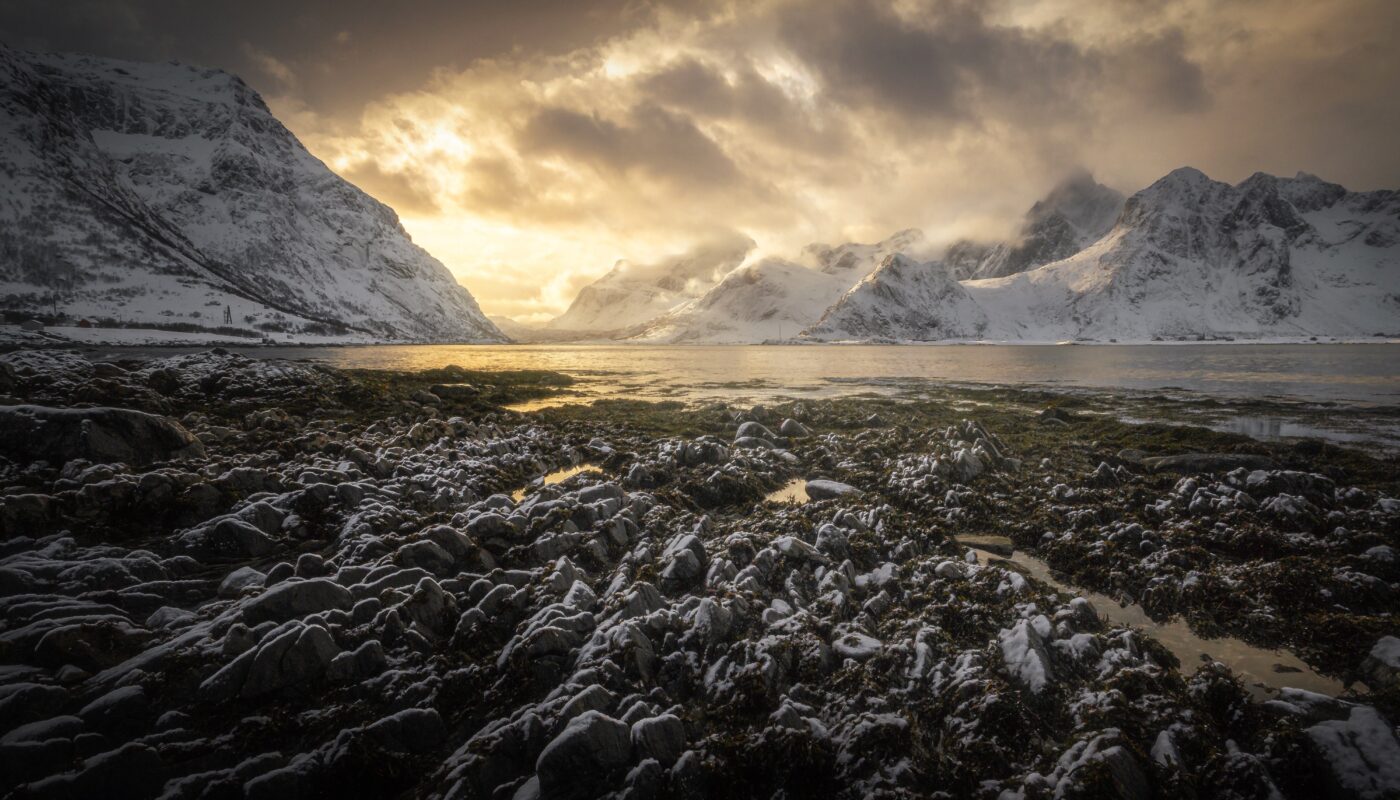
As the sun lowers, its light passes through more atmosphere, scattering blue light and leaving behind warm tones. This creates deep oranges, reds, and golds that illuminate cliffs and water surfaces.
In fjord landscapes, this effect is amplified by reflection, making entire valleys glow with color.
2. Strong Shadows and Depth
Sunset light creates long, angled shadows that enhance the structure of cliffs and mountains. This gives fjords a more three-dimensional appearance.
Ridges, valleys, and waterfalls become more visually pronounced, adding a sense of scale and drama.
3. Dynamic Sky Changes
Evening skies in fjord regions often shift rapidly. Clouds can change color within minutes, moving from soft pink to deep purple or fiery orange.
This unpredictability makes sunset especially exciting for photographers and travelers who enjoy dynamic scenery.
4. More Social and Lively Atmosphere
Unlike the quiet nature of sunrise, sunset viewpoints are often shared with other travelers. People gather at scenic overlooks to watch the final light of the day together, creating a more social and energetic experience.
Challenges of Sunset
Sunset also comes with a few limitations:
- Popular viewpoints can become crowded
- Lighting changes quickly, requiring timing precision
- Weather conditions may shift during evening hours
- Reflections may be disturbed by wind or boat activity
Despite these challenges, sunset remains one of the most visually rewarding times in fjord regions.
Sunrise vs Sunset: Direct Comparison
Light Quality
- Sunrise: Soft, cool, gradually warming
- Sunset: Warm, intense, highly saturated
Atmosphere
- Sunrise: Quiet, peaceful, reflective
- Sunset: Lively, dramatic, social
Crowds
- Sunrise: Minimal visitors
- Sunset: Often popular and busy
Photography Style
- Sunrise: Subtle tones, misty layers, soft contrast
- Sunset: Bold colors, strong shadows, high contrast
Water Conditions
- Sunrise: Usually calmer, better reflections
- Sunset: More variable depending on wind and activity
Seasonal Influence on Both Experiences
The experience of sunrise and sunset also changes depending on the time of year.
Summer
Long daylight hours mean extended golden periods. Both sunrise and sunset can be mild and prolonged, especially in northern fjord regions.
Autumn
This season enhances sunset colors due to clearer air and atmospheric particles. Sunrise often includes fog, creating atmospheric depth.
Winter
Light is low and soft throughout the day. Sunrise and sunset may blend into long twilight phases with pastel skies.
Spring
Fresh snowmelt increases waterfall flow, making both sunrise and sunset visually dynamic, especially with reflective water and melting snow.
Best Situations for Each Experience
Choose Sunrise If You Want:
- Silence and solitude
- Misty, layered landscapes
- Soft reflections on water
- A calm, reflective atmosphere
Choose Sunset If You Want:
- Vibrant colors and dramatic skies
- Strong visual contrast
- A lively, shared experience
- Classic fjord postcard views
Final Verdict: Which Is Better?
There is no single winner in the sunrise vs sunset debate in fjords. Each offers a completely different emotional experience.
Sunrise is about stillness and subtle beauty. It invites you to slow down and observe nature quietly as it wakes up. Sunset, on the other hand, is about intensity and color. It transforms the landscape into a glowing, dramatic scene filled with energy.
If possible, the best choice is not to pick one—but to experience both. Together, they reveal the full personality of fjord landscapes, from peaceful beginnings to vibrant endings.