 by
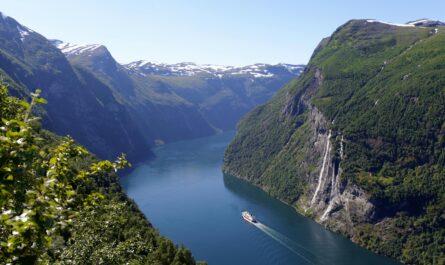
by Few landscapes on Earth are as dramatic and emotionally powerful as the fjords of Scandinavia. Towering cliffs plunge into deep blue water, waterfalls crash down steep mountain walls, and tiny villages sit quietly beneath changing skies. Travelers often arrive expecting postcard-perfect scenery — and they certainly find it — but many quickly discover something else as well:
Fjord weather can change incredibly fast.
A bright sunny morning may suddenly become foggy and cold by afternoon. Heavy rain may disappear within an hour, replaced by glowing sunlight and rainbow-filled valleys. Wind conditions shift rapidly across mountain passes, while nearby villages can experience completely different weather patterns at the same time.
This unpredictability is one of the defining characteristics of fjord regions, especially in countries like Norway. For some travelers, constantly changing weather becomes part of the magic. For others, it creates challenges that affect transportation, hiking plans, photography, road trips, and outdoor activities.
Understanding why fjord weather changes so quickly — and how travelers can prepare for it — is essential for anyone planning a Scandinavian fjord adventure.
The truth is that fjord weather is not random chaos. It follows understandable environmental patterns shaped by geography, mountains, oceans, elevation, and seasonal climate systems. However, because these factors interact so dynamically, fjord conditions often feel remarkably unpredictable to visitors unfamiliar with alpine coastal environments.
Why Fjord Weather Changes So Quickly
Fjords are unique geographical environments.
They combine several powerful natural influences:
- Ocean moisture
- Steep mountains
- Narrow valleys
- Rapid elevation changes
- Cold air systems
- Coastal wind patterns
Few places combine these elements as intensely as Scandinavian fjords.
The result is a constantly shifting atmosphere where weather systems evolve rapidly across relatively small distances.
Mountains Create Their Own Weather Systems
One of the main reasons fjord weather feels unpredictable is the surrounding mountain terrain.
Mountains strongly influence:
- Wind movement
- Temperature
- Cloud formation
- Rainfall patterns
When moist ocean air moves inland and rises against steep mountain slopes, the air cools quickly. Cooler air cannot hold as much moisture, causing clouds and rain to form rapidly.
This process is called orographic lifting.
In fjord regions, this effect happens constantly because mountains rise sharply from sea level.
As a result:
- One side of a fjord may experience sunshine
- Another side may sit beneath dark clouds
- Rain showers may form suddenly
- Fog may appear and disappear within minutes
Travelers often experience multiple weather conditions during a single day.
The Ocean Plays a Major Role
The nearby sea heavily influences fjord weather.
The North Atlantic Ocean brings moisture, wind, and changing pressure systems into western Scandinavian coastlines.
Ocean conditions contribute to:
- Frequent rain
- Mild winters
- Cool summers
- Rapid atmospheric shifts
Because fjords connect directly to the sea, coastal weather patterns travel inland through narrow water corridors.
This creates constantly moving weather systems throughout the region.
Why Rain Is So Common in Fjord Regions
Many first-time visitors underestimate how rainy fjord areas can be.
Western Norway, especially around major fjords, receives substantial rainfall because moist Atlantic air repeatedly collides with mountains.
Some fjord regions experience rain on over 200 days per year.
However, fjord rain is not always heavy or continuous.
Instead, conditions often involve:
- Brief showers
- Mist
- Light drizzle
- Passing rain bands
- Intermittent sunshine
This creates highly dynamic weather patterns rather than constant storms.
Sunshine and Rain Often Happen Together
One of the most fascinating aspects of fjord weather is how quickly conditions can alternate between sunlight and rain.
Travelers may witness:
- Bright sunshine illuminating waterfalls while rain falls nearby
- Rainbows forming repeatedly throughout the day
- Clear skies opening suddenly after storms
- Fog lifting dramatically within minutes
These rapid transitions contribute significantly to the emotional beauty of fjord landscapes.
In fact, changing weather often makes fjord scenery more visually dramatic than stable sunshine alone.
Fog Is a Major Part of the Fjord Atmosphere
Fog frequently develops in fjord environments because of the interaction between water, mountains, and temperature differences.
Morning fog is especially common.
Low clouds may drift slowly through valleys and wrap around mountain peaks, creating an almost dreamlike atmosphere.
Fog conditions can change extremely quickly.
A valley completely hidden by mist may become fully visible within half an hour.
For photographers, this unpredictability often creates extraordinary opportunities.
Elevation Changes Everything
One of the most important things travelers learn in fjord regions is that elevation dramatically affects weather conditions.
At fjord water level, temperatures may feel mild and comfortable.
Yet only a short drive uphill can bring:
- Cold winds
- Rain
- Snow patches
- Dense fog
- Freezing temperatures
This is especially important for hikers and road-trippers exploring mountain passes.
Even during summer, high elevations may feel surprisingly cold.
Summer Weather Is More Variable Than Expected
Many travelers assume Scandinavian summers are consistently cool but stable.
In reality, summer fjord weather remains highly changeable.
A single summer day may include:
- Warm sunshine
- Strong wind
- Light rain
- Heavy clouds
- Cool evening temperatures
Temperatures can fluctuate significantly depending on:
- Elevation
- Wind exposure
- Cloud cover
- Coastal influence
This variability surprises travelers expecting predictable summer conditions.
Why Forecasts Are Not Always Reliable
Weather forecasting in fjord regions is challenging because of the complex terrain.
Forecast models may accurately predict broader weather systems while struggling with hyper-local conditions inside fjords and valleys.
For example:
- One village may receive heavy rain
- Another nearby village remains dry
- Mountain peaks disappear into cloud while fjord shores stay sunny
Microclimates are extremely common.
As a result, travelers should view fjord forecasts as general guidance rather than exact predictions.
Wind Can Change Suddenly
Fjord winds behave differently from winds in flat landscapes.
Narrow valleys and steep cliffs funnel air currents in unpredictable ways.
Travelers may experience:
- Calm conditions near the water
- Sudden gusts on exposed viewpoints
- Strong winds through mountain passes
- Rapid directional changes
Boat tours, kayaking trips, and hiking routes are especially affected by wind variability.
Weather Shapes the Emotional Experience of the Fjords
Interestingly, unpredictable weather is part of what makes fjord landscapes feel so dramatic.
Perfect sunshine every day would actually reduce some of the atmosphere that makes these places unforgettable.
Clouds, mist, and rain create:
- Mood
- Depth
- Changing light
- Emotional intensity
- Visual contrast
Many travelers remember stormy fjord moments just as vividly as sunny ones.
The constantly shifting atmosphere gives fjords a living, dynamic quality.
How Locals Adapt to Fjord Weather
People living in fjord regions are highly accustomed to changing conditions.
Locals rarely expect perfect weather consistency.
Instead, they adapt naturally by:
- Dressing in layers
- Carrying waterproof clothing
- Monitoring forecasts frequently
- Remaining flexible with outdoor plans
Visitors who adopt the same mindset generally enjoy their trips far more.
Hiking Requires Extra Preparation
Mountain weather changes can create serious safety concerns for hikers.
Conditions may deteriorate rapidly at higher elevations.
Possible risks include:
- Sudden fog
- Slippery trails
- Cold wind exposure
- Reduced visibility
- Heavy rain
Travelers should never assume that clear weather at sea level guarantees safe hiking conditions higher in the mountains.
Proper preparation is essential.
Road Trips and Weather Challenges
Fjord road trips are among the world’s most scenic travel experiences, but weather can influence driving conditions significantly.
Potential challenges include:
- Wet roads
- Foggy mountain passes
- Reduced visibility
- Strong side winds
- Sudden rainstorms
During colder seasons, snow and ice add additional complexity.
Travelers should always allow extra time for fjord driving rather than rushing between destinations.
Ferry and Boat Conditions
Boat travel is central to many fjord itineraries.
Fortunately, large fjord ferries generally operate reliably in most weather conditions.
However:
- Wind can create rough water
- Fog may reduce visibility
- Smaller tours may face cancellations
Travelers sensitive to motion sickness should prepare accordingly.
Photography and Unpredictable Light
For photographers, fjord weather can be both challenging and rewarding.
Changing conditions create extraordinary lighting effects including:
- Sunbeams through clouds
- Reflections after rain
- Rainbow formation
- Fog layering
- Golden evening mist
The most memorable fjord photographs often happen during unstable weather rather than under completely clear skies.
Seasonal Weather Differences
Each season brings different types of unpredictability.
Spring
Spring weather changes rapidly between:
- Rain
- Snowmelt
- Sunshine
- Cool temperatures
Summer
Summer offers the mildest conditions but still frequent variability.
Autumn
Autumn often brings dramatic storms, colorful landscapes, and shifting fog patterns.
Winter
Winter conditions become more extreme with snow, icy roads, shorter daylight hours, and rapidly changing storms.
The Importance of Layered Clothing
The best way to handle fjord weather is through layering.
Travelers should carry:
- Waterproof outer layers
- Warm mid-layers
- Quick-drying clothing
- Wind-resistant jackets
- Comfortable waterproof shoes
Conditions can shift enough within a single day to require multiple clothing adjustments.
Mental Flexibility Is Essential
One of the biggest mistakes travelers make is expecting rigid itineraries and guaranteed conditions.
Fjord travel works best when travelers embrace flexibility.
Sometimes weather changes improve the experience unexpectedly.
A rainy morning may lead to:
- Dramatic waterfalls
- Empty viewpoints
- Beautiful mist
- Extraordinary photography conditions
Travelers who accept unpredictability often appreciate the fjords more deeply.
Why Fjord Weather Feels Emotionally Powerful
Changing weather affects emotional perception of landscapes.
In fjord regions, the combination of shifting light, clouds, water, and mountains creates environments that feel alive and emotionally immersive.
Moments of sudden sunlight breaking through storm clouds can feel remarkably cinematic.
This emotional intensity is one reason many travelers describe fjord experiences as unforgettable.
Climate Change Is Affecting Fjord Weather
Climate change is already influencing Scandinavian weather patterns.
Scientists observe changes involving:
- Increased rainfall intensity
- Warmer winters
- Altered snow conditions
- More unstable seasonal patterns
These changes may continue affecting fjord travel conditions in coming decades.
Is Fjord Weather Truly Unpredictable?
So, how unpredictable is fjord weather, really?
The answer is: very unpredictable on a local level, but not entirely random.
The rapid changes travelers experience are driven by understandable environmental factors:
- Mountains
- Ocean systems
- Moisture patterns
- Elevation shifts
- Narrow valleys
Once visitors understand these influences, fjord weather begins to feel less chaotic and more like part of the landscape itself.
Final Thoughts
The weather in Norway and other Scandinavian fjord regions is undeniably changeable. Rain, fog, wind, sunshine, and shifting clouds can all appear within the same day — sometimes within the same hour.
Yet this unpredictability is not a flaw in the fjord experience. It is one of the defining elements that gives these landscapes their mystery, atmosphere, and emotional depth.
The constantly changing skies transform waterfalls, mountains, and waterways into living scenery that never looks exactly the same twice. Travelers who arrive prepared — both physically and mentally — often discover that unpredictable fjord weather becomes one of the most memorable aspects of the journey.
In the end, fjord weather teaches an important travel lesson: nature does not always provide perfect conditions, but it often provides something even more beautiful — authenticity, drama, and surprise.