 by
by Traveling through fjord regions is unlike exploring ordinary destinations. The scenery feels cinematic, with towering mountains plunging into calm blue waters, winding roads hugging cliffsides, and waterfalls flowing from impossible heights. Whether in Norway, Iceland, New Zealand, or parts of Canada, fjord landscapes offer some of the most unforgettable travel experiences on Earth.
Yet one major decision shapes the entire journey before travelers even arrive: should they rent a car or rely on public transportation?
Both options offer very different experiences. A car provides freedom, flexibility, and access to remote locations, while public transport offers relaxation, affordability, and a more sustainable way to explore. The right choice depends on travel goals, budget, comfort level, and the type of adventure a traveler wants.
This article explores the strengths and weaknesses of both transportation styles and helps determine which option works best for exploring dramatic fjord landscapes.
Why Transportation Matters So Much in Fjord Regions
Fjord regions are geographically unique. Deep water inlets cut through mountains, creating landscapes that are beautiful but also difficult to navigate.
Unlike flat urban destinations, fjord areas often involve:
- Mountain roads
- Ferries between villages
- Narrow highways
- Long tunnels
- Weather-related delays
- Isolated communities
A destination that appears close on a map may actually require several hours of travel due to the terrain.
Because of this, transportation is not just about getting from one place to another. It becomes a major part of the overall travel experience.
Exploring Fjords by Car
Freedom to Create Your Own Adventure
The biggest reason travelers choose a car is flexibility.
Driving allows visitors to move entirely on their own schedule. There’s no need to fret about train departure schedules or scramble for buses. Travelers can stop whenever something interesting appears, whether it is a hidden waterfall, a quiet village café, or a breathtaking viewpoint overlooking the fjord.
This freedom is especially valuable in regions where the scenery changes constantly. Many unforgettable moments happen unexpectedly during the journey itself.
A car also allows travelers to:
- Take spontaneous detours
- Spend extra time at scenic spots
- Start the day early for photography
- Avoid crowded tourist schedules
- Explore places beyond standard tourist routes
For travelers who enjoy independence, driving often feels more rewarding.
Reaching Hidden and Remote Locations
Public transportation usually connects major tourist hubs and larger towns, but fjord regions are filled with lesser-known areas that are harder to access.
Many beautiful locations sit far from train stations or bus stops. Remote hiking trails, mountain viewpoints, and isolated coastal villages may only be practical to visit by car.
This becomes important for travelers who want more than the typical tourist experience.
Some of the most memorable fjord destinations are found:
- Along scenic mountain roads
- Deep inside rural valleys
- Near remote lakes
- At hidden trailheads
- In tiny fishing villages
Having a vehicle opens opportunities to discover these quieter places.
Ideal for Road Trip Lovers
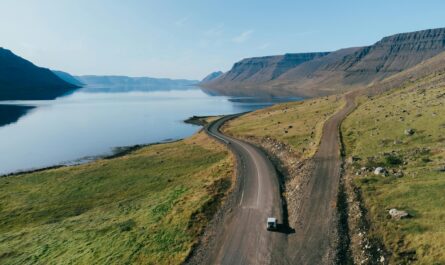
In fjord regions, the road itself becomes part of the attraction.
Driving through tunnels carved into mountains, crossing dramatic bridges, and following winding coastal highways creates a travel experience filled with constant visual excitement.
Road trips also encourage slower travel. Instead of rushing through attractions, travelers can appreciate changing weather, shifting light, and peaceful landscapes throughout the day.
Many visitors remember the drives as vividly as the destinations themselves.
Convenient for Families and Groups
Cars are often the most practical choice for families or groups traveling together.
Benefits include:
- Easier transportation of luggage
- Greater comfort for children
- Flexible food and restroom stops
- Shared travel costs
- Shelter during poor weather
For larger groups, dividing rental and fuel expenses may actually make driving cheaper than buying multiple public transportation tickets.
Parents especially appreciate the ability to travel at a pace that suits children rather than fixed transportation schedules.
Challenges of Driving in Fjord Areas
High Overall Costs
Although driving offers freedom, it can quickly become expensive.
Travelers must budget for:
- Car rental fees
- Fuel
- Parking
- Road tolls
- Ferry crossings
- Insurance
In countries famous for fjords, travel costs are often already high, and transportation expenses can consume a large part of the budget.
Fuel prices in remote regions are sometimes significantly higher than expected.
Parking in popular tourist areas may also be limited during peak travel seasons.
Difficult Driving Conditions
Not every traveler feels comfortable driving through fjord landscapes.
Roads are often narrow and winding, especially in mountainous regions. Weather conditions can change rapidly, bringing fog, rain, or strong winds.
During colder months, travelers may face:
- Snow-covered roads
- Ice
- Reduced visibility
- Strong coastal winds
Long tunnels and steep mountain passes can also feel intimidating for inexperienced drivers.
While experienced drivers may enjoy these challenges, others may find them stressful and tiring.
Dependence on Ferries
Many fjord routes depend on ferries connecting sections of road separated by water.
Although ferry rides are usually scenic, they can create delays. Travelers sometimes wait in long vehicle lines during busy periods, especially in summer.
Missed ferry departures may disrupt carefully planned schedules.
This means car travel is not always as fast or flexible as travelers expect.
Environmental Concerns
Driving produces a larger environmental impact compared to trains or buses.
Fjord ecosystems are sensitive natural environments affected by pollution and climate change. Increased vehicle traffic can place pressure on local communities and natural habitats.
As sustainable tourism becomes more important worldwide, some travelers prefer greener transportation options.
Traveling Through Fjords by Public Transport
Relaxing and Scenic Journeys
Public transportation offers an entirely different experience.
Instead of concentrating on driving, travelers can sit back and absorb the scenery. Large train windows, ferry decks, and scenic bus routes allow passengers to fully appreciate the landscapes around them.
This relaxed approach appeals to travelers who want the journey itself to feel peaceful.
Passengers can:
- Take photographs freely
- Read during long rides
- Enjoy uninterrupted scenery
- Avoid navigation stress
- Rest between destinations
Many rail and ferry routes through fjord regions are considered world-class scenic journeys.
More Sustainable Travel
In general, using public transit is less harmful to the environment than driving a private vehicle.
Trains and buses reduce:
- Carbon emissions
- Traffic congestion
- Fuel usage
- Environmental strain on rural regions
Several fjord destinations are investing heavily in greener transportation systems, including electric ferries and low-emission public transit networks.
For environmentally conscious travelers, public transport aligns better with sustainable tourism values.
Affordable for Solo Travelers
For individuals traveling alone, public transportation is often the more budget-friendly choice.
Without companions to share costs, renting a vehicle becomes expensive once fuel, insurance, and parking are added.
Public transport can significantly reduce travel expenses while still allowing access to major fjord attractions.
Many destinations also offer travel passes covering trains, ferries, and buses, making regional exploration easier and cheaper.
Less Stress and Fatigue
Driving for hours through mountainous terrain can become exhausting.
Public transportation removes several common travel frustrations:
- Navigation problems
- Parking difficulties
- Road anxiety
- Ferry coordination
- Traffic stress
Instead of arriving tired after long drives, travelers can remain relaxed and energized for sightseeing or outdoor activities.
This comfort becomes especially valuable during longer trips.
Downsides of Public Transport
Limited Flexibility
The biggest weakness of public transportation is the lack of spontaneity.
Travelers must follow fixed timetables, which can limit freedom significantly.
This means:
- Attractions may need to be rushed
- Missed connections can ruin schedules
- Remote locations may be inaccessible
- Late-night exploration becomes difficult
In regions where scenic stops constantly tempt travelers to pause, strict schedules can feel restrictive.
Harder Access to Rural Areas
While public transportation connects popular destinations well, many hidden locations remain difficult to reach.
Adventure travelers interested in:
- Remote hikes
- Quiet villages
- Photography spots
- Lesser-known fjords
may feel limited without a vehicle.
Some buses run only a few times daily, while other rural areas have no public transportation at all.
Complicated Transfers
Traveling through fjord regions sometimes requires coordinating multiple transportation methods.
A single journey might involve:
- A train
- A ferry
- A connecting bus
Despite the fact that these methods are frequently effective, weather-related delays or missed departures can be stressful.
Travelers who prefer simple logistics may find this frustrating.
Crowds During Peak Season
Popular fjord routes attract many tourists, especially during summer.
Buses, ferries, and trains may become crowded, reducing comfort and making the experience feel less peaceful.
Travelers with heavy luggage or families with small children may find crowded transport inconvenient.
Which Option Fits Different Travel Styles?
Best for Independent Explorers
Travelers who love freedom, photography, and hidden destinations usually benefit most from renting a car.
The ability to stop anywhere and change plans instantly creates a more adventurous experience.
Best for Budget Travelers
Public transportation often works better for travelers trying to reduce costs, particularly solo travelers.
However, groups sharing vehicle expenses may find driving surprisingly affordable.
Best for Families
Families generally appreciate the convenience and flexibility of having a car.
Children, luggage, snacks, and unpredictable schedules are easier to manage in a private vehicle.
Best for Eco-Friendly Travel
Public transportation is usually the more environmentally responsible option.
Travelers focused on sustainability often prefer trains, ferries, and buses over individual car use.
Best for Relaxation
Travelers seeking a peaceful experience without driving stress often enjoy public transportation more.
Scenic train rides and ferry crossings can become highlights of the trip.
Combining Both Options
Many experienced travelers combine public transportation and car travel for the best overall experience.
For example:
- Use trains between major cities
- Rent a car for remote fjord exploration
- Combine ferries with local buses
- Avoid driving in crowded urban areas
This balanced approach can reduce costs while still offering flexibility.
Hybrid travel strategies are becoming increasingly popular in fjord destinations.
Final Thoughts
Choosing between a car and public transportation in fjord regions ultimately depends on the type of journey a traveler wants to experience.
Driving offers freedom, adventure, and access to hidden places that many visitors never see. It allows travelers to shape their own route and enjoy the landscapes at their own pace.
Public transportation, meanwhile, provides a calmer and often more sustainable way to experience these dramatic environments. It removes the pressure of driving and allows travelers to fully appreciate the scenery without distraction.
Neither option is universally better. Each creates a completely different style of travel.
For some, the perfect fjord adventure means winding mountain roads and spontaneous detours. For others, it means relaxing on a scenic train while mountains and waterfalls glide past the window.
No matter which option travelers choose, fjord regions promise unforgettable experiences shaped by nature’s most dramatic landscapes.