 by
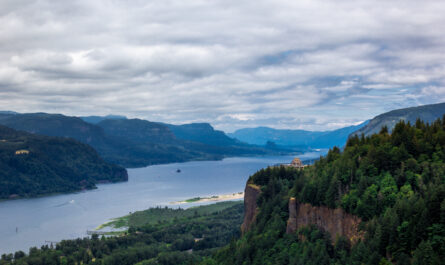
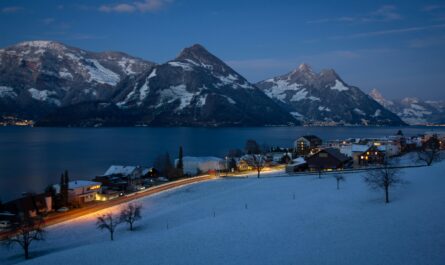
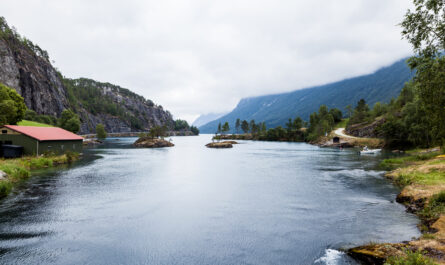
by Fjords are among the most visually striking landscapes on Earth. Deep blue waters stretch between towering cliffs, waterfalls cascade from impossible heights, and small villages sit quietly along the shoreline. For photographers, especially those using drones, these environments offer extraordinary creative potential.
However, capturing aerial footage in fjord regions is not simply a matter of launching your drone and pressing record. These areas are governed by strict aviation, privacy, and environmental regulations. Understanding and following these rules is essential—not only to avoid penalties, but also to protect the fragile ecosystems and communities that make fjords so special.
This guide provides a clear, practical overview of drone laws and best practices for fjord photography, helping you fly responsibly while still capturing stunning visuals.
Why Drone Regulations Are Strict in Fjord Regions
At first glance, fjords may seem remote and empty, giving the impression that drone use would be unrestricted. In reality, these landscapes are carefully managed.
Drone laws in fjord regions are designed to:
- Prevent collisions with aircraft, especially helicopters
- Protect wildlife, including birds nesting on cliffs
- Safeguard the privacy of residents in small communities
- Preserve natural environments from excessive disturbance
Because fjords often combine all these elements—nature, tourism, and human settlement—regulations tend to be more detailed than travelers expect.
Understanding the Legal Framework
In many fjord destinations, especially in Norway, drone operations follow a structured system based on European aviation standards.
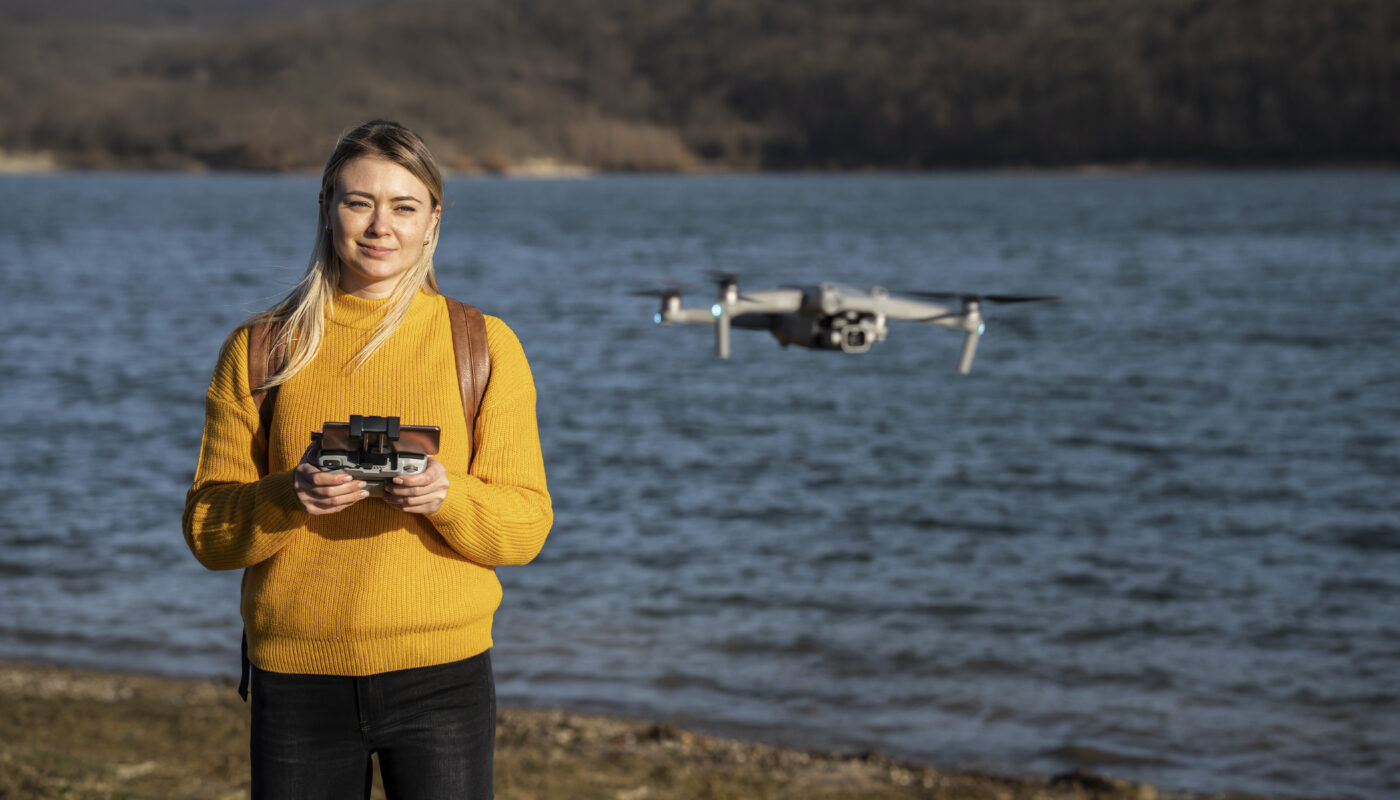
Most recreational travelers fall under the “open category”, which applies to low-risk flying. While this category allows for relatively simple operation, it still comes with clear rules that must be followed at all times.
Essential Rules Every Drone Pilot Must Know
No matter where you fly in fjord regions, certain rules are universal.
Maintain Visual Line of Sight
You must always be able to see your drone with your own eyes. This means:
- No flying behind mountains or cliffs where the drone disappears
- No relying solely on your screen or controller
In fjord landscapes, this can be challenging due to steep terrain, so careful positioning is important.
Stay Below Altitude Limits
The general maximum altitude is 120 meters above ground level. This limit exists to ensure safe separation between drones and manned aircraft.
Flying higher—even for a better shot—is not allowed without special permission.
Keep a Safe Distance from Airports
Drones must not be flown near airports or airfields. Fjord regions may have small regional airports or helicopter operations, especially for tourism and emergency services.
Always check maps to ensure you are outside restricted zones.
Avoid Flying Over People
You should never fly directly over crowds or gatherings. Even in scenic areas, this includes:
- Tourist groups
- Events or festivals
- Busy viewpoints
Maintaining distance is both a legal and safety requirement.
Respect Privacy
Privacy laws are strict in many European countries.
You should:
- Avoid filming individuals without consent
- Be cautious when recording private homes or properties
Even if your intention is purely artistic, privacy violations can lead to complaints or legal consequences.
Registration and Certification: What You Need
Many drone users are surprised to learn that flying legally often requires registration and, in some cases, certification.
Operator Registration
If your drone:
- Weighs more than 250 grams, or
- Has a camera
You are typically required to register as a drone operator. This applies to most modern drones used for photography.
Pilot Training
Basic certification may be required depending on your drone type. This usually involves:
- Completing an online course
- Passing a simple test on safety and regulations
This step ensures that pilots understand how to operate drones responsibly.
Insurance Considerations
While not always mandatory for small drones, liability insurance is strongly recommended. In the event of damage or injury, it provides essential protection.
Special Considerations for Travelers
If you are visiting fjord regions from another country, there are additional steps to consider.
You may need to:
- Register in the first European country where you plan to fly
- Follow local regulations specific to your destination
Each country has its own interpretation of broader aviation rules, so checking local guidelines is essential.
Restricted Areas in Fjord Landscapes
Even in seemingly open natural environments, certain areas are off-limits.
Protected Natural Zones
Many fjords are part of national parks or conservation areas. Drone use may be:
- Restricted
- Limited to certain zones
- Completely prohibited
These rules are in place to protect wildlife and preserve natural habitats.
Military and Government Areas
Flying near sensitive locations such as military installations or government buildings is strictly forbidden.
Towns and Villages
Small settlements along fjords may appear quiet, but they are still subject to privacy and safety regulations. Flying over these areas is generally restricted.
Emergency Situations
If rescue operations or helicopters are active, drones must stay grounded. Interference with emergency services is taken very seriously.
Environmental Challenges Unique to Fjords
Even when you are flying legally, fjord environments present natural challenges.
Wind Conditions
Fjords can channel strong winds through narrow valleys. Sudden gusts can:
- Destabilize your drone
- Reduce battery efficiency
- Increase the risk of accidents
Signal Interference
Cliffs and steep terrain can block GPS signals or interfere with communication between your drone and controller.
Rapid Weather Changes
Fog, rain, and shifting light conditions are common. These factors can affect both safety and visibility.
Best Practices for Responsible Drone Photography
Following the law is the baseline. Going beyond it ensures a better experience for everyone.
Plan Ahead
Before flying, research:
- Local regulations
- Restricted zones
- Weather conditions
Preparation reduces risk and improves results.
Choose the Right Time
Early morning or late evening flights are ideal because:
- Fewer people are present
- Lighting is softer
- Wildlife disturbance is minimized
Keep Noise to a Minimum
Drones can be disruptive in quiet environments. Limiting flight time helps preserve the natural atmosphere.
Respect Wildlife
Avoid flying near:
- Birds nesting on cliffs
- Animals near the shoreline
Disturbing wildlife can have serious ecological consequences.
Common Mistakes to Avoid
Even experienced drone users can make errors in unfamiliar environments.
Assuming Remote Means Unregulated
Just because a location feels isolated does not mean it is legal to fly there.
Skipping Registration
Many travelers overlook registration requirements, especially for small drones.
Ignoring Local Signs
Some restricted areas are marked with signage. Always pay attention to posted rules.
Flying for Social Media Without Consent
Capturing dramatic footage is tempting, but posting content that includes people without permission can lead to issues.
The Ethical Side of Drone Use
Drone photography is not just about rules—it’s also about respect.
Fjords are:
- Natural ecosystems
- Cultural landscapes
- Shared spaces
Responsible drone use means considering how your actions affect others, including:
- Fellow travelers
- Local residents
- Wildlife
Being mindful ensures that these environments remain enjoyable for everyone.
Is It Worth Bringing a Drone?
For photographers, drones can unlock perspectives that are impossible from the ground. Fjords, with their dramatic scale, are especially well suited to aerial imagery.
However, bringing a drone only makes sense if you are prepared to:
- Follow regulations carefully
- Plan your flights in advance
- Adapt to changing conditions
If you prefer spontaneous travel without restrictions, a drone may feel limiting.
Final Thoughts
Fjord photography with a drone offers incredible creative possibilities, but it also comes with significant responsibility.
Understanding the rules, respecting the environment, and flying thoughtfully are all essential parts of the experience. When done correctly, drone photography allows you to capture the scale and beauty of fjords in a way that feels both powerful and respectful.
By approaching it with care and awareness, you not only protect yourself from legal issues—you also contribute to preserving the landscapes that make fjords so extraordinary.