 by
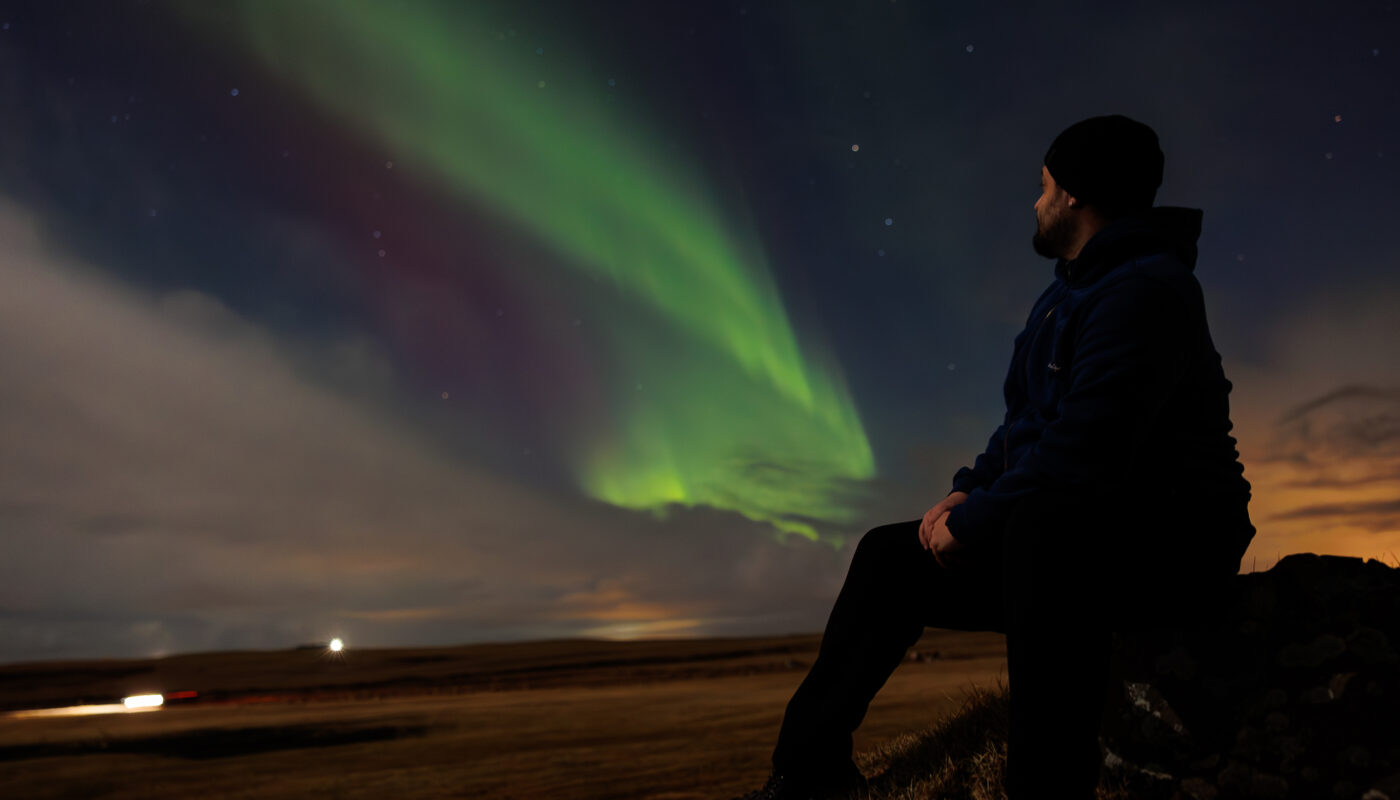
by Few natural spectacles rival the quiet intensity of the Northern Lights shimmering above a fjord. Imagine standing at the edge of still, dark water while ribbons of green and violet drift across the sky, mirrored in the surface below. In northern landscapes shaped by glaciers and sea, this phenomenon becomes even more powerful—both visually and emotionally.
However, witnessing the aurora in fjord regions is not simply a matter of luck. It depends on a combination of seasonal darkness, atmospheric conditions, and solar activity. Understanding these factors can significantly increase your chances of seeing the lights.
This guide explores when and how to experience the Northern Lights in fjord regions, with a focus on timing, geography, and practical strategies.
What Makes the Northern Lights Visible?
The Aurora Borealis occurs when charged particles from the sun collide with gases in Earth’s upper atmosphere. These interactions release energy in the form of light, creating the glowing patterns we see in the night sky.
Despite occurring frequently, the aurora is not always visible. Three key conditions must align:
- Dark skies: Even a faint glow can obscure the lights
- Clear weather: Clouds block visibility entirely
- Solar activity: Stronger activity increases brightness and frequency
Fjord regions—especially in northern latitudes—often meet these conditions, but timing remains crucial.
The Aurora Season in Fjord Landscapes
In fjord regions located near the Arctic Circle, such as parts of Norway, the Northern Lights can be seen for several months each year.
Main Viewing Season: Late September to Early April
This period marks the time when nights are sufficiently dark for aurora viewing. Outside of this window—particularly during summer—the phenomenon may still occur, but it is hidden by continuous daylight.
In high-latitude fjord areas, the sun may not set at all in summer, creating the well-known midnight sun. While beautiful, it eliminates any chance of seeing the aurora.
Best Months for Reliable Sightings
Although the season spans several months, certain periods offer better chances than others.
October to March: The Prime Window
These months provide the most consistent conditions for viewing:
- Nights are long and deeply dark
- The auroral oval is more frequently active
- Visibility is less affected by twilight
Within this window, each month offers a slightly different experience.
A Month-by-Month Perspective
Late September: The Beginning
As summer fades, darkness returns to the fjords. Early autumn offers:
- Mild temperatures
- Colorful landscapes
- Increasingly dark nights
Around the autumn equinox, geomagnetic activity can intensify, sometimes leading to vibrant displays.
October: Balanced Conditions
October is a transitional month that combines:
- Adequate darkness for viewing
- Relatively comfortable weather
- Scenic contrasts between autumn foliage and fjord waters
However, coastal cloud cover can occasionally reduce visibility.
November to January: The Deepest Darkness
This is the most intense period of the aurora season.
In some fjord regions above the Arctic Circle, the sun remains below the horizon for weeks, creating extended twilight or near-total darkness. This significantly increases the window for potential sightings.
During these months:
- Nights can last up to 20 hours or more
- Snow-covered landscapes enhance light reflection
- Aurora displays often appear more vivid against dark skies
The trade-off is colder temperatures and less predictable weather.
February and March: A Popular Choice
Late winter is often considered one of the best times to visit.
Why?
- Days become slightly longer, making travel easier
- Nights remain dark enough for aurora viewing
- Weather conditions can be more stable
Snow-covered fjords provide a striking contrast, enhancing the visual impact of the lights.
Early April: The Final Opportunity
By April, daylight begins to dominate once again.
While it is still possible to see the aurora early in the month, opportunities decrease quickly as nights shorten.
Best Time of Night to Watch the Aurora
Even during peak months, the Northern Lights do not appear constantly.
Ideal Viewing Hours
The most reliable time frame is typically:
- Between 9:00 PM and 2:00 AM
This period aligns with increased geomagnetic activity and optimal darkness levels.
However, the aurora can appear earlier or later, so staying alert throughout the night improves your chances.
Why Fjords Offer a Unique Viewing Experience
Fjord regions provide a setting unlike any other for observing the Northern Lights.
Natural Reflections
Calm fjord waters can mirror the aurora, doubling its visual impact. This creates a sense of depth and symmetry rarely found elsewhere.
Dramatic Landscapes
Steep mountains framing narrow waterways create a natural stage for the lights. The contrast between dark rock, bright sky, and reflective water enhances the experience.
Low Light Pollution
Many fjord areas are sparsely populated, reducing artificial light interference and allowing the aurora to appear more clearly.
Challenges of Fjord Aurora Viewing
Despite their advantages, fjord regions also present some obstacles.
Cloud Cover
Coastal environments tend to experience more cloud formation, which can obscure the sky.
Rapid Weather Changes
Conditions can shift quickly. A clear evening may become cloudy within hours, or vice versa.
Limited Viewing Windows in Some Areas
In narrow fjords, surrounding mountains can block parts of the sky, reducing visibility in certain directions.
The Role of Solar Cycles
Aurora activity is influenced by the sun’s natural cycles.
The sun follows an approximately 11-year pattern of activity. During periods of higher activity—known as solar maximum—auroras are more frequent and intense.
Recent years fall within an active phase of this cycle, meaning opportunities for viewing are generally improved compared to quieter periods.
Choosing the Right Fjord Locations
Not all fjord regions are equal when it comes to aurora visibility.
Areas closer to the Arctic Circle offer better chances because they lie within the auroral oval—the zone where aurora activity is most concentrated.
Popular regions include:
- Tromsø – A well-known gateway to Arctic experiences
- Lofoten Islands – Famous for dramatic coastal scenery
- Alta – Known for relatively stable inland weather
These locations combine accessibility with strong viewing potential.
Practical Tips for Increasing Your Chances
Even with perfect timing, seeing the Northern Lights requires patience and preparation.
Stay Several Nights
A single night may not be enough. Plan for at least three to five nights to improve your odds.
Watch the Weather
Clear skies are essential. Monitoring forecasts allows you to adjust plans and seek better conditions.
Move When Necessary
In fjord regions, short distances can lead to different weather patterns. Traveling inland or to higher elevations may reveal clearer skies.
Avoid Artificial Light
Find locations away from towns and streetlights to maximize visibility.
Be Patient and Flexible
The aurora is unpredictable. It may appear suddenly, fade quickly, or remain faint for hours before intensifying.
The Experience Beyond Timing
While timing and conditions are important, the emotional impact of seeing the Northern Lights in a fjord landscape goes beyond logistics.
Picture this:
- A silent shoreline under a vast sky
- Mountains rising as dark silhouettes
- A faint glow building into flowing waves of light
Moments like these are not just visual—they are immersive. The combination of stillness, scale, and natural beauty creates an experience that feels almost unreal.
Final Thoughts
The best time to see the Northern Lights in fjord regions depends on one essential factor: darkness.
From late September to early April, fjord landscapes in northern areas provide a window into one of nature’s most extraordinary displays. Within that period, October through March offers the highest likelihood of success, particularly during late evening hours.
Yet even with careful planning, the aurora remains unpredictable. That unpredictability is part of its appeal.
When everything aligns—clear skies, active solar conditions, and deep darkness—the fjords become more than just scenic locations. They become a stage for a phenomenon that feels both ancient and alive.
And perhaps that is what makes the experience so powerful: not just seeing the Northern Lights, but witnessing them in a place where land, water, and sky come together in perfect harmony.